
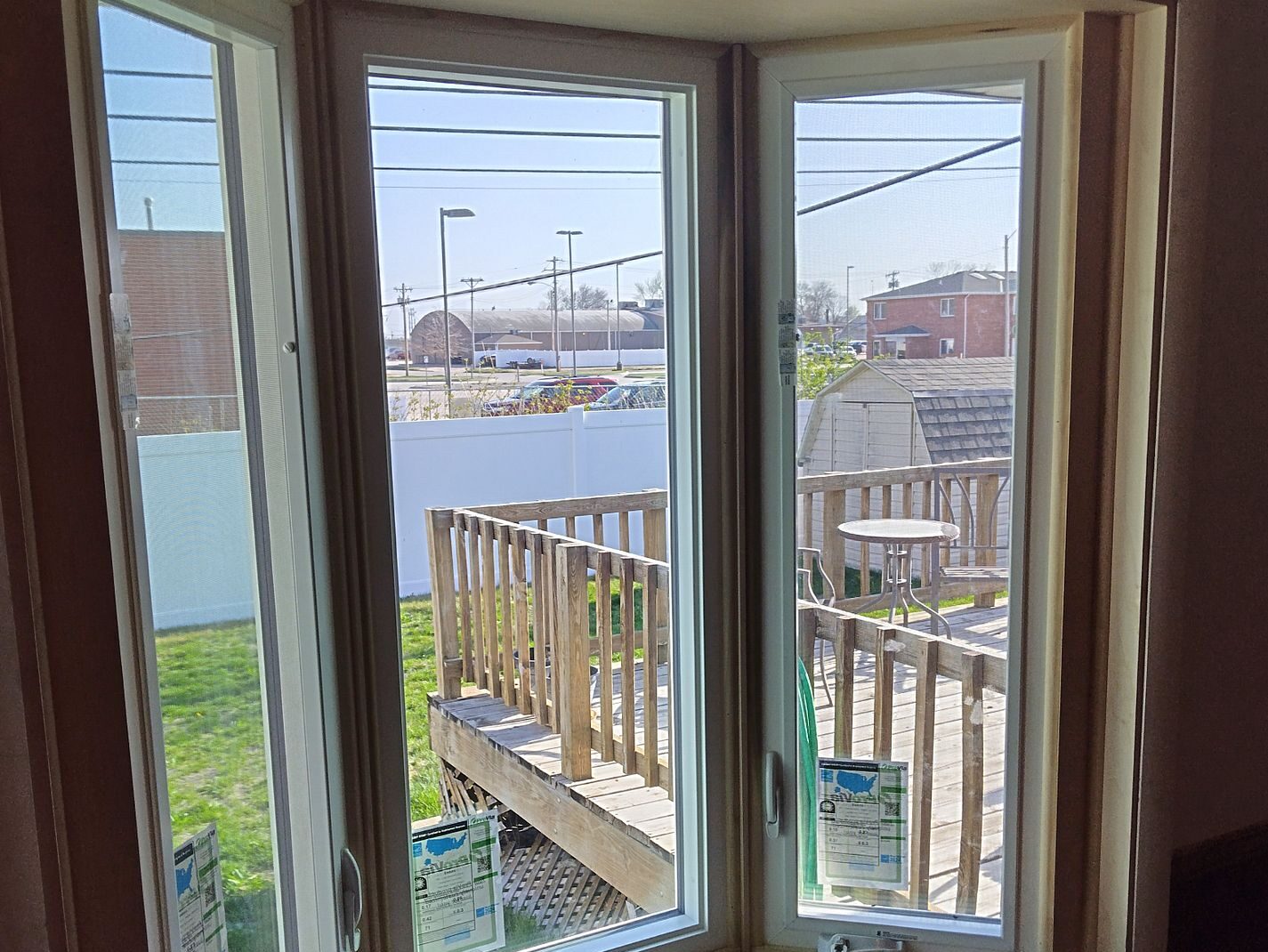
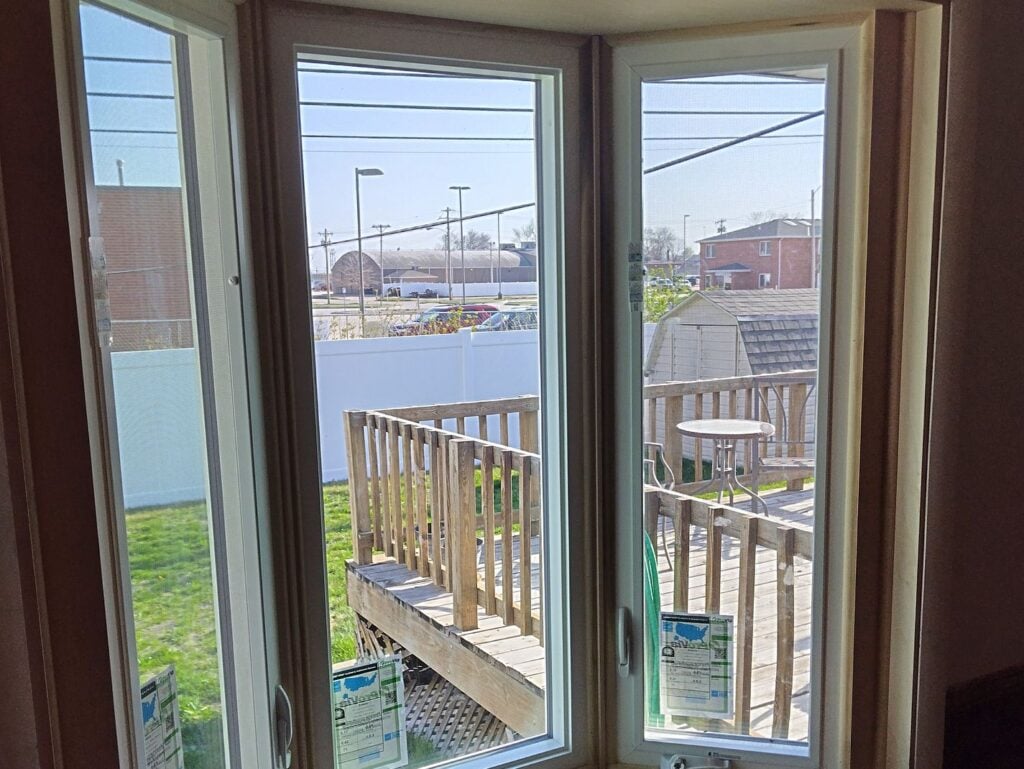
Window installation cost is one of the most confusing numbers in home improvement because two homes on the same block can get quotes hundreds of dollars apart per window. Homeowners in Omaha and surrounding areas planning a window replacement in 2026 are seeing a wide range of pricing, from about $450 on the low end to over $2,000 per window on the premium side. That gap isn’t random. It’s driven by specific factors that add up quickly across a whole-home replacement. Knowing what actually moves the number helps you compare quotes fairly and spot when a bid is too high, too low, or missing something important. This guide walks through the 7 real drivers of window installation cost.
- What matters most: The biggest cost drivers to focus on first.
- What often gets skipped: Line items missing from cheap quotes.
- How to compare fairly: What to ask contractors before signing.
Why Do Window Quotes Vary So Much?
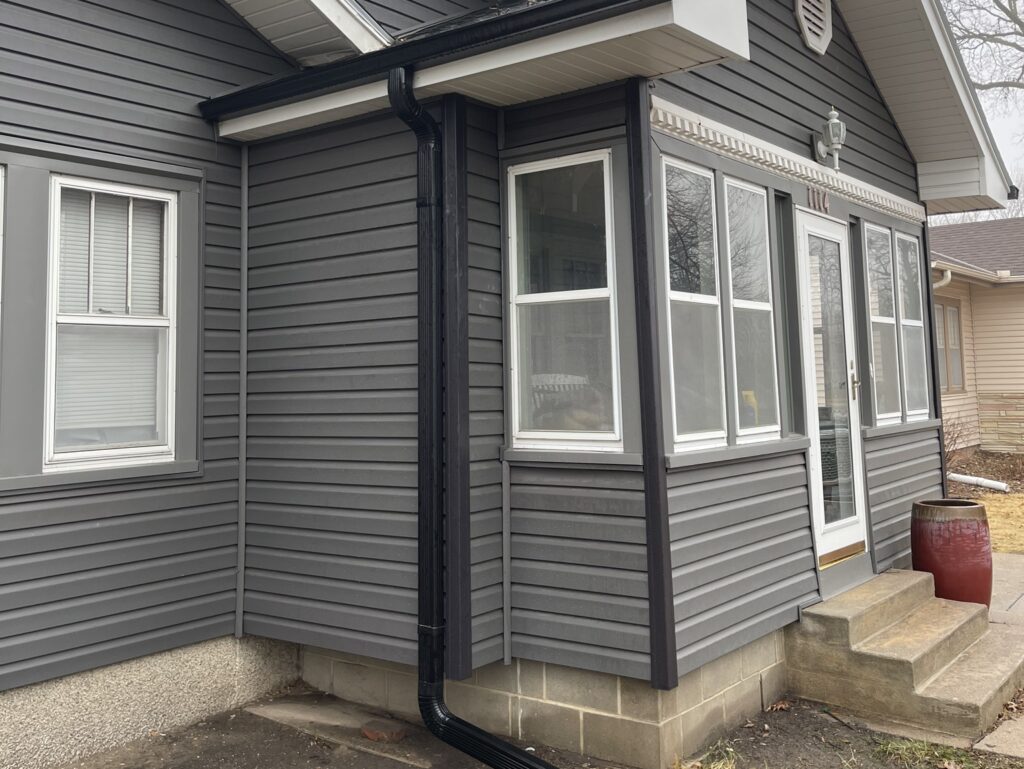
Two contractors can quote the same house and land thousands of dollars apart. Some of that gap reflects real differences in materials, labor, and warranty. Some of it reflects what got left out of the lower quote. The trick is knowing which line items matter and which corners get cut.
What’s the Typical Cost Range in 2026?
Most homeowners in 2026 pay between $600 and $1,200 per window installed, with premium windows or complex homes running higher. A typical whole-home replacement of 10 to 15 windows lands between $7,000 and $18,000. According to ENERGY STAR, which is run by the U.S. Environmental Protection Agency, ENERGY STAR certified windows can lower household energy bills by an average of about 12% and save homeowners meaningful money over the life of the windows. That savings is worth factoring into the total cost, since higher-efficiency windows often pay back part of their price through utility savings. The right window at the right price is the one that fits both your home and your budget.
- Typical range: $600 to $1,200 per window installed in 2026.
- Whole home: $7,000 to $18,000 for 10 to 15 windows.
- Energy savings: ENERGY STAR windows can lower bills about 12%.
- Long-term view: Consider utility savings alongside upfront cost.
7 Factors That Drive Window Installation Cost
Below is the numbered breakdown of the 7 factors that actually move window installation cost. Each one adds real dollars to the final number.
1. Window Frame Material
The frame material is the single biggest cost driver. Vinyl is the most affordable, running about $400 to $800 per window installed, and it’s a strong choice for most homes because it’s low-maintenance and comes in many styles. Fiberglass falls in the middle at $600 to $1,300 per window and offers better strength and temperature stability than vinyl. Wood windows are the most expensive at $800 to $2,000+ per window and offer classic aesthetics but require regular maintenance. Aluminum is uncommon in residential replacements outside of specific climates because it conducts heat and cold too easily. For most Omaha and surrounding areas homeowners, vinyl or fiberglass hits the best balance of cost, performance, and durability.
- Vinyl: $400 to $800 per window; low maintenance, wide style options.
- Fiberglass: $600 to $1,300 per window; stronger, better temperature stability.
- Wood: $800 to $2,000+ per window; classic look, higher maintenance.
- Aluminum: Rarely used in Nebraska due to poor thermal performance.
2. Window Style and Size
Different window styles carry very different price tags. Single-hung windows are the cheapest since they only have one moving sash. Double-hung windows cost more because both sashes operate. Casement, awning, sliding, and picture windows sit in the middle range. Specialty shapes like bay, bow, and custom arched windows can double or triple the cost of a standard opening. Size matters too. A small bathroom window may cost half of what a large living room window runs. Custom sizes add cost because they can’t be pulled from standard inventory. Sticking with common sizes and styles keeps the price down.
- Cheapest styles: Single-hung and fixed windows.
- Mid-range: Double-hung, casement, awning, sliding.
- Premium styles: Bay, bow, custom shapes.
- Size impact: Larger and non-standard sizes cost more.
3. Glass Package and Energy Efficiency
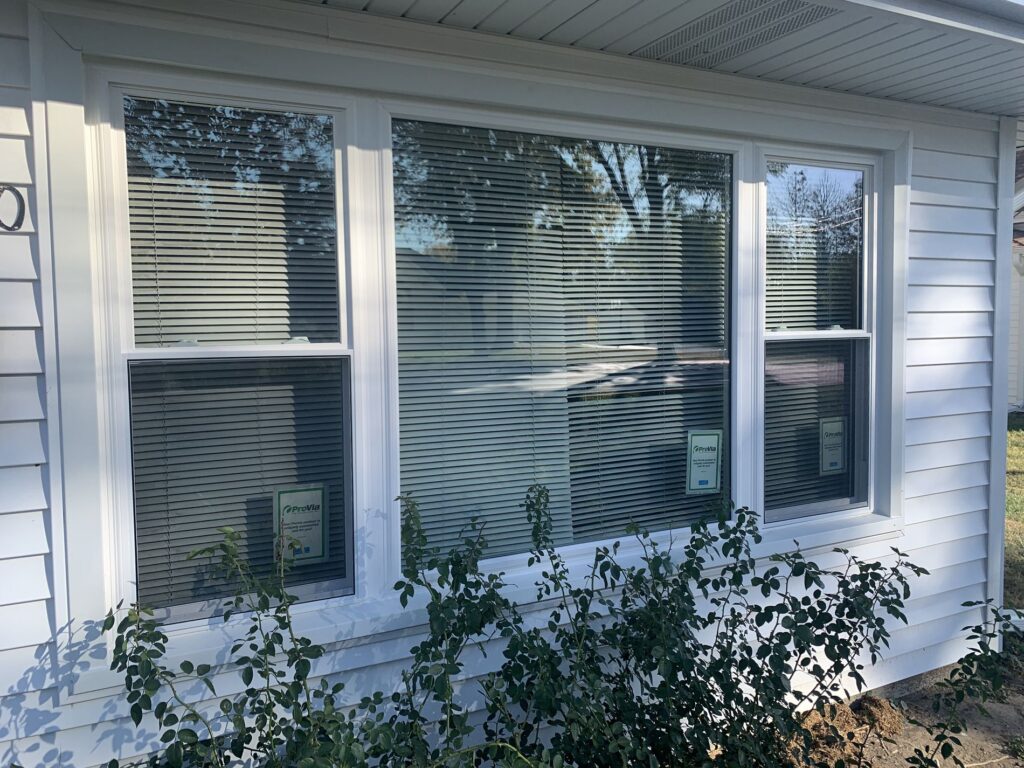
The glass inside the window is often invisible in the quote but a major cost driver. A standard double-pane window with basic Low-E coating and argon gas fill is the baseline for most 2026 installations. Upgrading to triple-pane glass, higher-performance coatings, or krypton gas fills can add $100 to $400 per window. In Nebraska’s climate, the extra investment often makes sense because winters are cold enough that heat loss through windows is a real cost. Look for the NFRC label on every quoted window, which shows the U-factor (insulation quality) and Solar Heat Gain Coefficient (SHGC). Lower U-factor is better in cold climates. ENERGY STAR certification confirms a window meets efficiency standards for your climate zone.
- Baseline: Double-pane with Low-E coating and argon gas.
- Upgrades: Triple-pane, better coatings, krypton gas fills.
- What to check: NFRC label showing U-factor and SHGC.
- Nebraska tip: Lower U-factor pays back through winter heating savings.
4. Installation Method: Pocket vs. Full-Frame
There are two main ways to install a replacement window. Pocket installation (also called insert installation) keeps the existing frame in place and slides a new window into the opening. This is faster, cheaper, and works well when the existing frame is structurally sound. Full-frame installation removes the entire old frame down to the rough opening and installs a completely new frame and window. This costs more (often $200 to $500 more per window) but is required when the original frame is rotted, damaged, or when a size change is needed. A good contractor will inspect each opening and recommend the right method for each window rather than defaulting to one or the other.
- Pocket install: Faster, cheaper; keeps existing frame.
- Full-frame: More expensive; needed for rot or damage.
- Cost difference: $200 to $500 more per window for full-frame.
- Inspection first: Right method depends on each window’s condition.
5. Number of Windows and Home Complexity
The total number of windows matters both for total cost and for per-window cost. Larger orders often get better per-window pricing because setup, delivery, and crew mobilization costs get spread across more units. A 20-window order can run 10% to 20% cheaper per window than a 5-window order. Home complexity plays in too. Second-story or third-story windows require ladders, scaffolding, or lifts and add labor cost. Homes with restricted access, historic districts, or unique architectural features can also drive cost up. Straightforward single-story homes with easy access are always cheaper to work on than complex two- or three-story homes with tight setbacks.
- Volume discount: More windows often means lower per-window cost.
- Height matters: Upper stories need lifts or scaffolding.
- Access matters: Tight setbacks or landscaping raise labor cost.
- Home age: Older homes may need extra prep or repair work.
6. Hidden Repairs During Installation
This is the wildcard. Once the old windows come out, contractors sometimes discover rotted sills, damaged framing, mold, or old lead paint that has to be dealt with before the new window goes in. These aren’t corners a contractor can safely cut. Rot repair typically adds $200 to $500 per window. Lead paint remediation requires an EPA-certified contractor and adds labor cost, since lead is common in homes built before 1978. Reputable installers are EPA Lead-Safe Certified to handle these situations properly. Getting a quote that includes a written scope for hidden repairs (what’s included, what triggers a change order) protects you from surprise bills mid-job.
- Common finds: Rotted sills, damaged framing, mold, lead paint.
- Rot repair: Typically $200 to $500 per affected window.
- Lead paint: Requires EPA Lead-Safe Certified contractor.
- Ask upfront: How does the contractor handle unexpected repairs?
7. Warranty, Certifications, and Contractor Experience
The cheapest quote is not always the best value. Manufacturer warranties on quality windows run 20 years to lifetime on the frame and glass, and reputable contractors also offer labor warranties on the installation itself. Certifications matter too. Contractors certified by AWDI (American Window and Door Institute), ENERGY STAR partners, and manufacturer-certified installers (like ProVia-certified through Window Depot USA) generally deliver better installation quality. A poorly installed window fails long before its warranty runs out, and no warranty covers bad installation. The premium for a well-credentialed contractor is often small compared to the cost of redoing the work.
- Manufacturer warranty: 20 years to lifetime on quality windows.
- Labor warranty: Reputable contractors back their own work.
- Certifications: AWDI, ENERGY STAR partner, manufacturer-certified.
- Bad installs: No warranty covers poor workmanship.
How Should Homeowners Compare Window Quotes?
Comparing quotes fairly means comparing apples to apples. That’s harder than it sounds because contractors write quotes differently and often skip line items that make the total look smaller.
What Should Be in Every Written Quote?
Every quote should list the brand and model of the window, the frame material, the glass package (with U-factor and SHGC), the installation method (pocket or full-frame), the number of windows by opening, labor breakdown, disposal fees, permit fees, warranty details, and estimated timeline. Change-order policies for hidden repairs should also be spelled out. If a quote is much cheaper than others, look for what’s missing rather than assuming it’s a better deal. Common corners include lower-grade glass, cheaper frame material, no labor warranty, and no disposal or permit fees. A truly low bid usually reflects lower value, not smarter pricing.
- Product details: Brand, model, frame material, glass package.
- Method: Pocket or full-frame per window.
- Warranty: Both manufacturer and labor coverage.
- Change orders: How hidden repairs are handled and billed.
Frequently Asked Questions
How much does it cost to replace all the windows in a house?
For a typical home with 10 to 15 windows, most 2026 replacements come in between $7,000 and $18,000 total. Larger homes or premium materials can push that above $30,000. Getting a full-home quote often gets better per-window pricing than replacing a few at a time.
Is it worth paying more for energy-efficient windows?
Usually yes in Nebraska’s climate. ENERGY STAR windows can lower energy bills by about 12% on average and pay back part of their premium through lower heating and cooling costs. Federal tax credits under Section 25C may also apply for certain qualifying windows.
How long does window installation take?
Most homes are done in 1 to 3 days depending on the number of windows and complexity. A single window can be swapped in a few hours. A whole-home replacement of 20 windows typically takes 2 to 3 days with a full crew.
Do I need a permit to replace my windows?
Most jurisdictions require a permit for window replacement, especially for changes in size or full-frame replacements. Reputable contractors handle the permit process for you. Ask upfront if permit fees are included in the quote.
Can I install replacement windows myself?
Storm windows and inserts are DIY-friendly for handy homeowners. Full replacements are not recommended without significant experience because improper installation voids manufacturer warranties, causes air leaks, and can lead to water damage. Professional installation protects your investment.
What’s the difference between a good quote and a cheap quote?
A cheap quote often skips line items like disposal, permit fees, labor warranty, or premium glass. A good quote spells out every cost and change-order policy in writing. The lowest bid is rarely the best value once you compare what’s actually included.
Why Choose J-Tech Construction & Solar for Your Window Replacement?
J-Tech Construction & Solar is the trusted name for window replacement in Omaha and surrounding areas because of more than 20 years of construction experience, a family-owned and locally operated team, and a partnership with Window Depot USA that gives homeowners exclusive access to ProVia’s high-quality windows at competitive pricing. Every window replacement starts with a free in-home assessment, transparent written quotes that spell out every line item, financing options that fit any budget, and warranties on both materials and labor. J-Tech is BBB Accredited, OSHA Certified, EPA Lead-Safe Certified, AWDI Approved, and backed by an in-house customer service team that keeps you informed every step of the way (bilingual reps available). Whether you’re replacing a single window or upgrading every opening in the house, the J-Tech team will walk you through the numbers before you commit. Contact J-Tech Construction & Solar today to schedule your free window estimate and find out exactly what your project will cost.