
If you have ever wondered what is fascia on a house, you are not alone—many homeowners overlook this important but often underappreciated part of their roof system. Fascia boards are essential to maintaining your home’s structure, protecting it from moisture damage, and giving it a clean, finished appearance. For homeowners in Bellevue and surrounding areas, understanding fascia placement, materials, and maintenance can help prevent costly repairs and improve your home’s curb appeal.
- Protection: Fascia shields your roof and rafters from rain, snow, and pests.
- Aesthetic Appeal: It provides a neat border between your roof and exterior walls.
- Support: Fascia holds gutters in place and distributes their weight evenly.
Understanding Fascia and Its Purpose
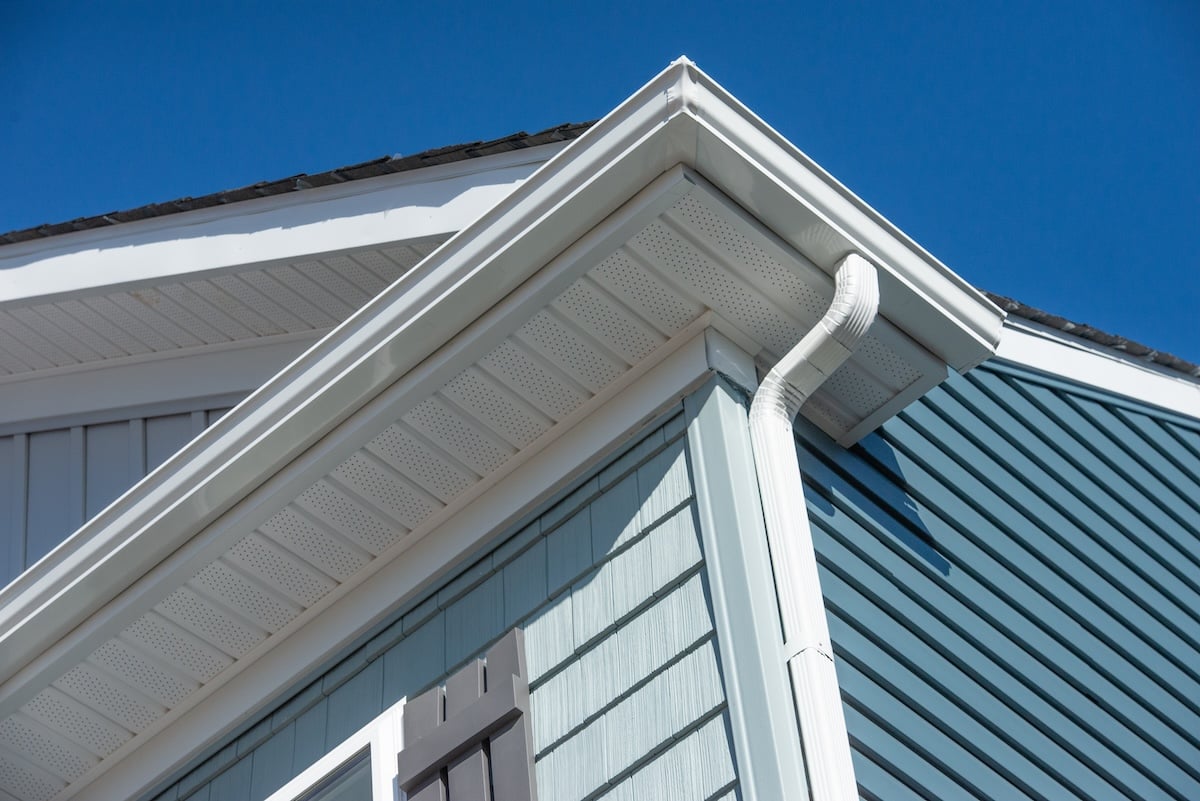
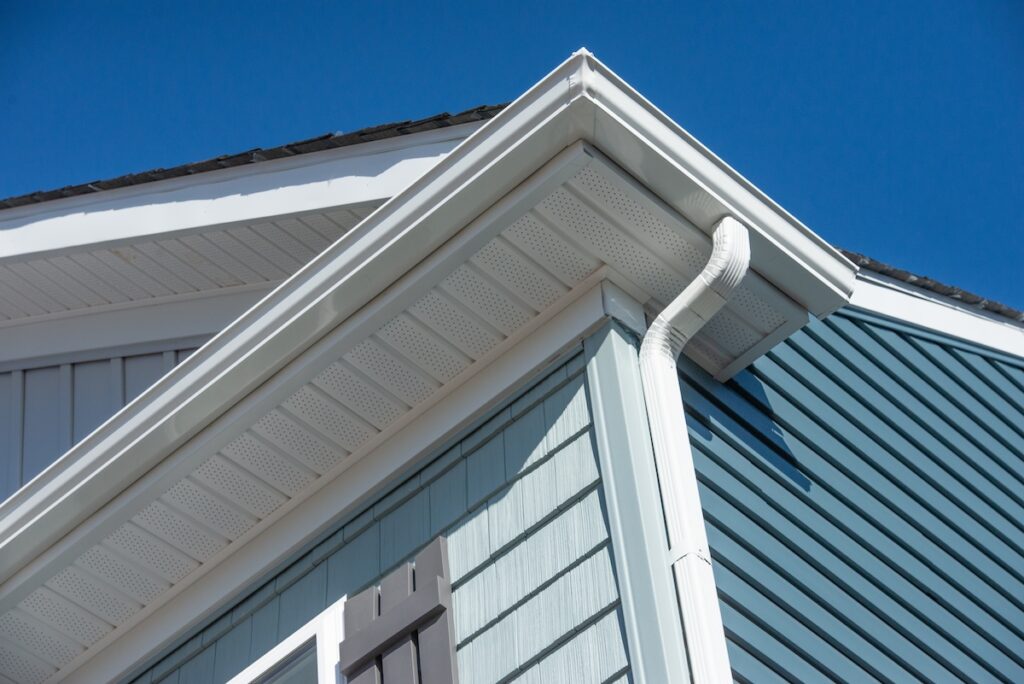
The fascia is the horizontal board that runs along the lower edge of your roof, directly beneath the roofline. Its main purpose is to close off the exposed ends of the rafters, protecting them from weather damage while creating a smooth transition between the roof and the home’s exterior. Fascia also provides structural support for gutters, which rely on it to stay securely attached to the roofline.
In Bellevue and surrounding areas, fascia boards take a beating from rain, humidity, snow, and temperature fluctuations. Over time, this exposure can cause wood fascia to rot or warp if not properly maintained. Regular inspection and timely repair or replacement can prevent moisture intrusion and maintain your roof’s integrity.
The Relationship Between Fascia and Soffit
While fascia runs horizontally along the roof’s edge, the soffit is the board that covers the underside of the eaves. Together, fascia and soffit form a protective barrier around your roof’s edge.
- Fascia: Faces outward, supporting gutters and closing off roof edges.
- Soffit: Covers the underside of the overhang, allowing attic ventilation.
These two components work together to protect your home from water infiltration and ensure proper airflow through the attic—key factors in preventing mold and ice dam formation during Nebraska winters.

Where Fascia Is Placed On a House
Fascia is typically located directly behind the gutters, forming the trim that borders your roofline. Its placement serves both functional and aesthetic purposes: it keeps water away from the house’s frame while giving the roof a finished edge.
When rainwater flows off the roof, it runs into the gutters attached to the fascia. If this area becomes damaged or deteriorated, the gutters can loosen, causing leaks and structural issues. Proper installation and routine upkeep of the fascia are critical to keeping your roof drainage system working correctly.
Common Fascia Problem Areas
Certain spots along your roofline are more prone to fascia wear and damage:
- Gutter Contact Points: Heavy or clogged gutters can pull away from weak fascia boards.
- Roof Valleys: Areas where water flows heavily may lead to faster wood decay.
- Corners and Joints: Where two fascia boards meet, water can infiltrate through small gaps.
Inspecting these areas regularly—especially after storms—can help identify early warning signs of damage before they worsen.
6 Common Fascia Materials
Today’s fascia boards come in a variety of materials designed to suit different home styles, budgets, and climates. For homeowners in Bellevue and surrounding areas, choosing the right material depends on both durability and local weather conditions.
- Wood Fascia: The traditional choice, wood offers timeless curb appeal but requires routine painting or sealing to prevent rot, insect damage, and moisture decay.
- Aluminum Fascia: Lightweight and rust-resistant, aluminum is often used to wrap or cap wood fascia for added protection and reduced maintenance needs.
- Vinyl Fascia: A low-maintenance, budget-friendly option that resists moisture, won’t warp, and retains color well, even under sun exposure.
- Composite Fascia: Made from a blend of wood fibers and resins, composite fascia mimics real wood while offering superior resistance to warping, rot, and pests.
- PVC Fascia: Highly durable, waterproof, and available in a wide range of colors, PVC fascia provides long-lasting performance with virtually no upkeep required.
- Fiber Cement Fascia: An increasingly popular modern choice, fiber cement fascia combines cement and cellulose fibers for exceptional durability, fire resistance, and minimal maintenance.
Each material has its own maintenance requirements and life expectancy, but all can serve as effective protection when properly installed and maintained.

Signs Your Fascia Needs Repair or Replacement
Just like shingles or gutters, fascia boards wear out over time. Knowing when to repair or replace them is essential to preventing structural damage.
- Peeling Paint or Soft Spots: Signs of water infiltration or rot beneath the surface.
- Leaning Gutters: Weak or damaged fascia can no longer support gutter weight.
- Pest Activity: Insects or rodents may enter through rotted or loose fascia boards.
- Water Stains or Mold Growth: Indicate moisture has penetrated the fascia or soffit.
Addressing these issues promptly prevents further deterioration of your roofline and surrounding trim.
How To Maintain Fascia Boards
Proper maintenance helps extend the lifespan of your fascia and keep your home’s exterior looking its best.
- Inspect Twice a Year: Check fascia boards each spring and fall for cracks, peeling paint, or water stains.
- Clean Gutters Regularly: Prevent gutter overflow that can damage the fascia below.
- Seal or Paint as Needed: Use weather-resistant paint or sealant to protect exposed wood fascia.
- Trim Nearby Branches: Prevent branches from scraping or trapping moisture against the fascia.
- Replace Damaged Sections Promptly: Don’t wait until small issues become costly repairs.
In Bellevue and surrounding areas, where heavy rain and snow can test your roofline’s resilience, these maintenance steps go a long way toward preserving your fascia’s function and appearance.
Why Professional Fascia Installation Matters
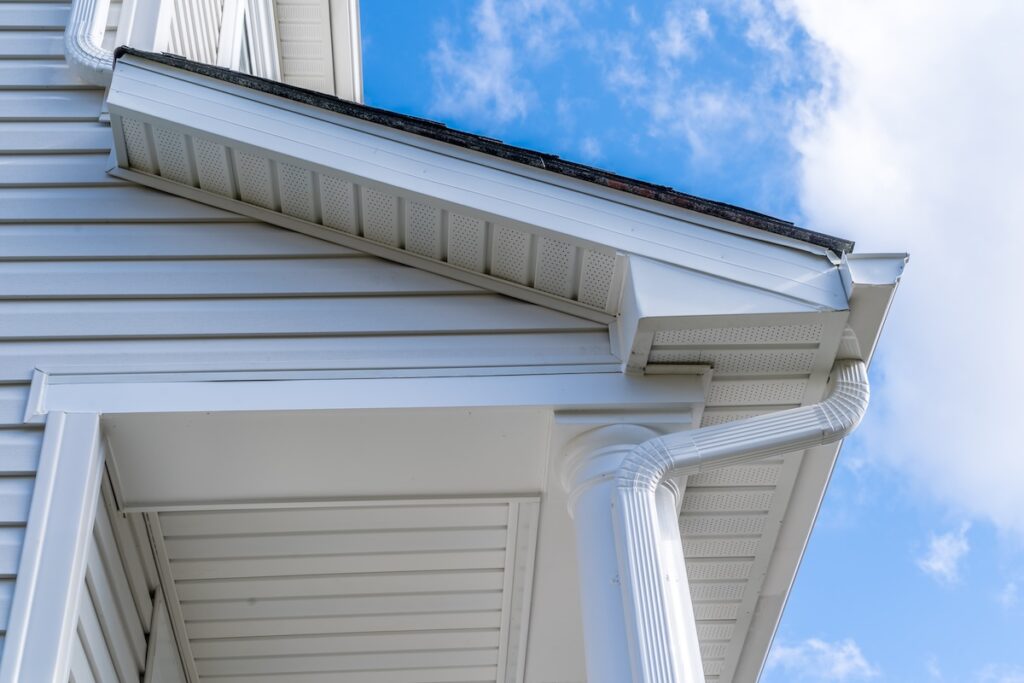
Although fascia replacement might seem straightforward, proper installation is crucial for long-term performance. Professional roofers understand how to integrate fascia seamlessly with gutters, soffits, and roofing materials to prevent leaks and sagging.
- Precision Fit: Experts cut and install fascia boards to align perfectly with roof edges.
- Moisture Protection: Professionals seal joints and edges to prevent water intrusion.
- Material Expertise: They recommend durable materials suited to Nebraska’s climate.
- Enhanced Curb Appeal: Quality installation ensures your fascia complements your home’s overall design.
Hiring professionals for fascia installation or replacement guarantees durability and helps protect your home from costly water damage.
Protect Your Roofline With J-Tech Construction & Solar
Fascia boards play a critical role in safeguarding your home’s structure, supporting your gutters, and enhancing your exterior’s visual appeal. When properly installed and maintained, fascia provides decades of reliable performance and protection against the elements.
If your fascia shows signs of wear or damage in Bellevue and surrounding areas, contact J-Tech Construction & Solar for expert repair or replacement. Our team offers top-quality materials and craftsmanship designed to protect your home from Nebraska’s toughest weather.
Reach out today for a free estimate and discover how J-Tech Construction & Solar can help you maintain a strong, beautiful roofline for years to come.