
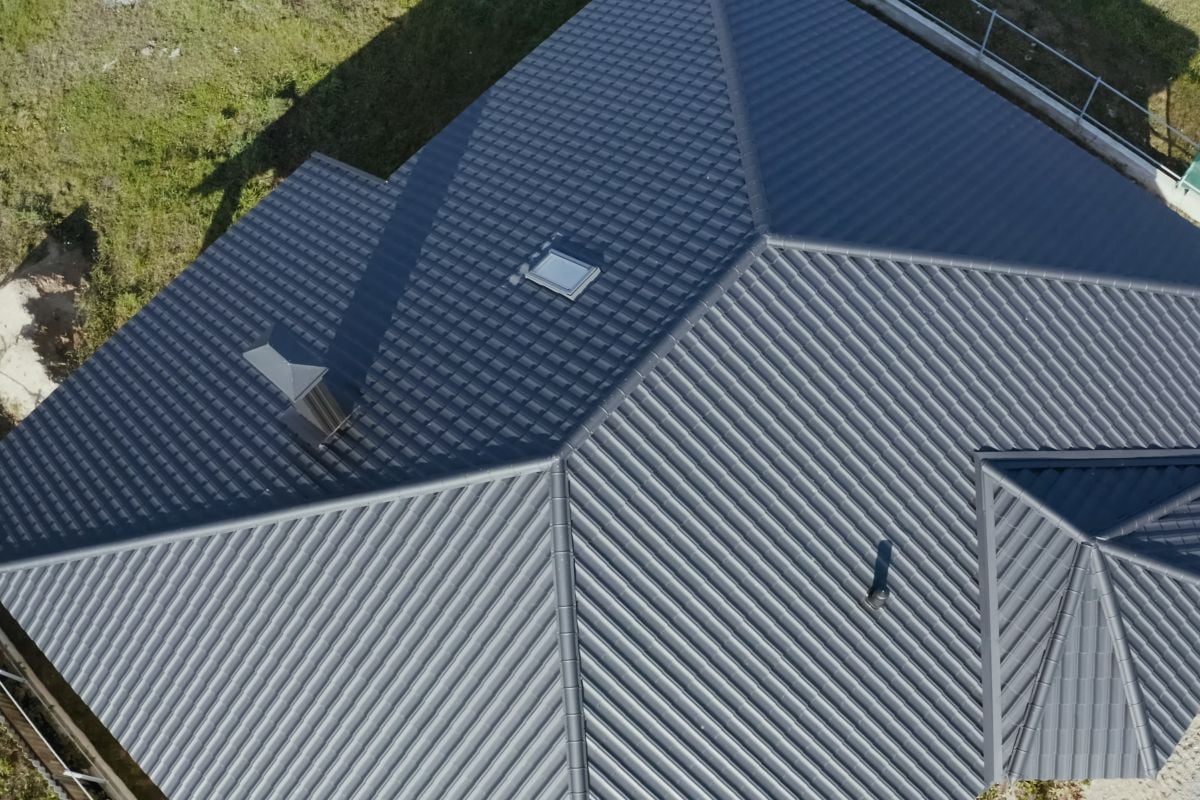
Choosing the right underlayment for metal roof systems is one of the most important decisions you can make to ensure long-term durability and weather protection. Underlayment serves as a secondary barrier beneath the panels, guarding your home or building against moisture, heat, and air infiltration. For property owners in Bellevue and surrounding areas, selecting the proper underlayment helps your roof perform better, last longer, and stay watertight through Nebraska’s changing seasons.
- Protection: Shields against leaks, condensation, and wind-driven rain.
- Longevity: Extends the life of your metal roof by preventing trapped moisture.
- Performance: Improves energy efficiency and stability under extreme temperatures.
Why Underlayment Matters for Metal Roofing
Metal roofs are durable and weather-resistant, but they still rely on proper layering to stay watertight. The underlayment acts as your roof’s first line of defense in case water seeps beneath the panels. It also helps regulate temperature and reduces noise from rain or hail.
In climates like Nebraska’s, with hot summers, snow in winter, and wide temperature swings, underlayment quality can make the difference between decades of leak-free performance and costly repairs down the road.
How It Works
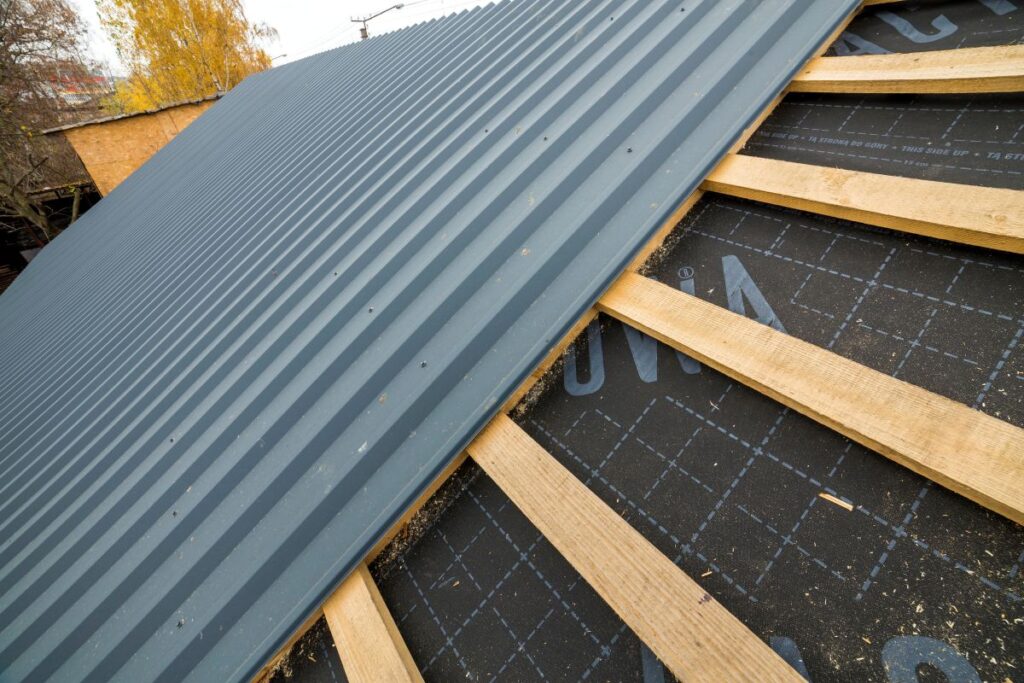
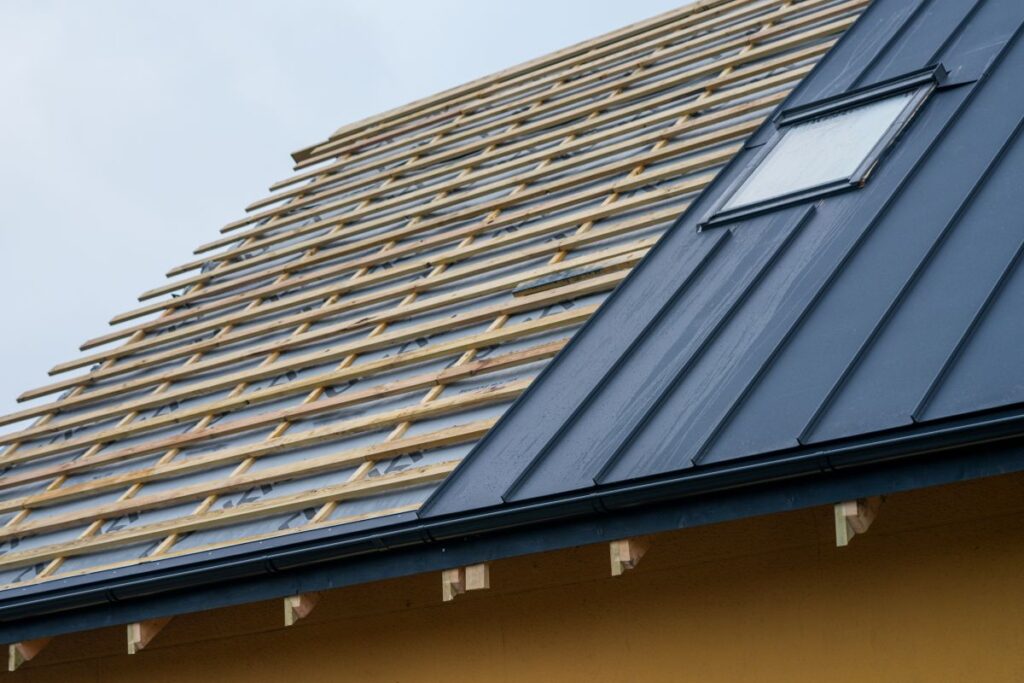
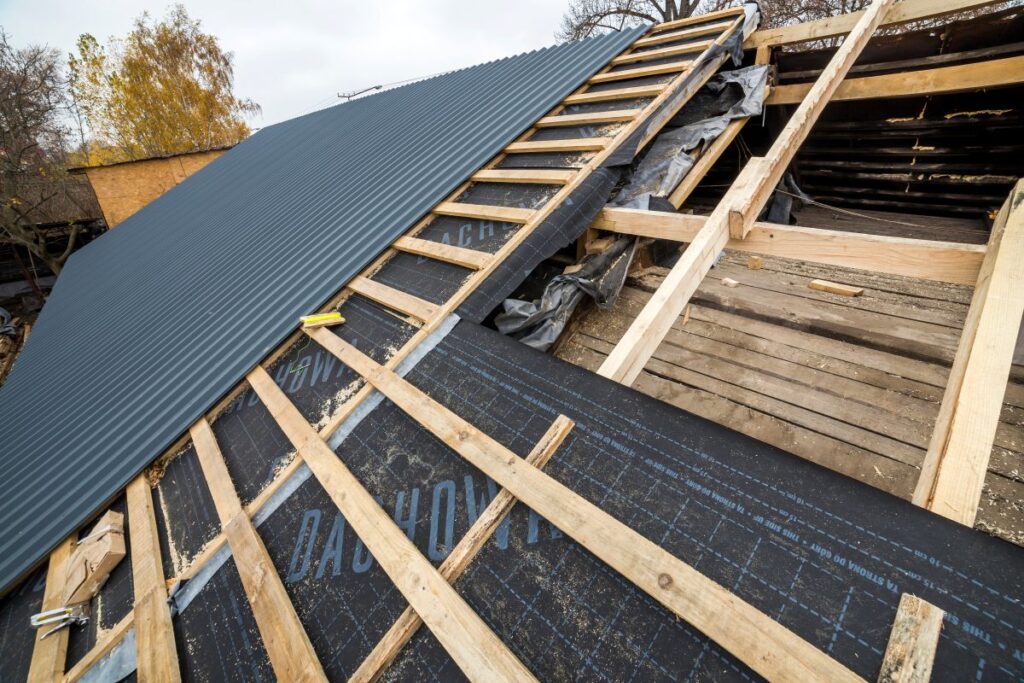
Underlayment is installed directly on the roof deck before the metal panels are fastened. It creates a continuous protective barrier, sealing around fasteners and providing a cushion between the roof deck and the panels. This barrier also helps prevent condensation buildup caused by temperature differences between the interior and exterior.
5 Top Choices for Metal Roof Underlayment
Not all underlayments are created equal. The right type depends on your roof slope, climate, and budget. Below are the most common and effective underlayment options available in 2026.
1. Synthetic Underlayment
Synthetic underlayment has become the industry standard for modern metal roofs, replacing traditional felt in most applications. Made from polypropylene or polyethylene, it offers superior strength, water resistance, and durability.
- Durability: Resistant to tearing, wrinkling, and UV exposure.
- Waterproofing: Provides excellent moisture protection under all weather conditions.
- Lightweight: Easier to install and safer to walk on than felt.
- Longevity: Can last up to 40 years, matching the lifespan of many metal roofs.
Synthetic underlayments are ideal for both residential and commercial buildings in Bellevue and surrounding areas due to their ability to handle extreme temperature fluctuations.
2. Self-Adhering (Peel-and-Stick) Membrane
This premium option provides superior waterproofing protection, particularly in areas prone to heavy rain, ice dams, or high humidity. The adhesive backing allows it to bond tightly to the roof deck, sealing around nails and fasteners.
- Ultimate Water Barrier: Excellent for low-slope roofs or valleys where water tends to collect.
- Seamless Installation: Self-sealing properties reduce leak risks.
- Ice Protection: Prevents water infiltration from ice damming during winter months.
- High Grip Surface: Provides slip resistance for installers.
While more expensive than standard underlayment, peel-and-stick membranes deliver unmatched leak prevention—making them a top choice for long-term performance and peace of mind.
3. Felt (Asphalt-Saturated) Underlayment
Once the most common roofing underlayment, asphalt-saturated felt is now primarily used for budget-conscious projects or as an additional layer under synthetic options. It offers decent protection but less durability compared to newer materials.
- Affordability: Lower upfront cost for short-term projects.
- Water Resistance: Provides moderate moisture protection.
- Limitations: Can wrinkle, tear, or degrade under prolonged heat exposure.
Felt remains a viable option for small buildings, sheds, or temporary structures but is less suited for long-term use on metal roofing.
4. High-Temperature Underlayment
High-temp underlayment is engineered specifically for metal roofing systems that experience high surface heat. Because metal panels reflect and conduct heat, standard underlayments can degrade prematurely—making this specialty material essential for certain applications.
- Heat Resistance: Withstands temperatures up to 240°F or higher.
- Durability: Prevents melting, blistering, or adhesive breakdown.
- Best Use: Ideal for standing seam and dark-colored metal roofs exposed to direct sunlight.
- Longevity: Matches or exceeds the service life of the metal panels.
For Nebraska homes or businesses with metal roofs in full sun exposure, this type of underlayment ensures long-lasting performance and stability.
5. Radiant Barrier Underlayment
Radiant barrier underlayments combine insulation and reflectivity to improve energy efficiency. A reflective foil layer minimizes heat transfer, reducing attic temperatures and lowering cooling costs during summer months.
- Energy Efficiency: Reflects up to 95% of radiant heat.
- Comfort: Keeps interiors cooler in warm climates.
- Versatility: Can be combined with synthetic or self-adhering layers for extra protection.
This option is particularly beneficial for commercial buildings or homes focused on maximizing energy performance and sustainability.
Comparison of Underlayment Options
| Underlayment Type | Water Resistance | Heat Resistance | Longevity | Cost (per sq. ft.) | Best For |
| Synthetic | Excellent | High | 30–40 years | $0.40–$0.80 | Most roofs |
| Self-Adhering | Superior | High | 30–50 years | $0.80–$1.50 | Leak-prone areas |
| Felt | Moderate | Low | 10–15 years | $0.20–$0.40 | Budget projects |
| High-Temp | Excellent | Superior | 40–50 years | $1.00–$2.00 | Hot climates |
| Radiant Barrier | Good | High | 30+ years | $0.80–$1.20 | Energy efficiency |
This table shows that synthetic and self-adhering underlayments offer the best overall balance of cost, performance, and longevity for both residential and commercial roofs.
Installation Tips for Underlayment
Proper installation is key to maximizing the lifespan and performance of your underlayment.
- Overlap Correctly: Follow manufacturer guidelines for overlaps and seams to prevent leaks.
- Avoid Damage: Walk carefully during installation to prevent tearing.
- Check Deck Condition: Repair any damaged decking before applying underlayment.
- Seal Valleys and Edges: Pay extra attention to high-risk areas like ridges, valleys, and eaves.
- Combine for Strength: In some cases, contractors use a base layer of synthetic underlayment topped with peel-and-stick in critical areas.
Working with an experienced roofing professional ensures your underlayment is installed to manufacturer specifications, preserving both your roof’s performance and its warranty coverage.
Why the Right Underlayment Matters in Nebraska
In Nebraska’s climate, where roofs face heat, snow, ice, and wind, underlayment plays a vital role in preventing leaks and maintaining comfort. A high-quality underlayment not only extends your metal roof’s lifespan but also provides added insulation and stability year-round.
- Seasonal Adaptability: Handles freeze-thaw cycles without cracking or buckling.
- Moisture Control: Reduces condensation under metal panels.
- Energy Savings: Enhances the reflective performance of metal roofs.
Choose the Best Underlayment for Long-Term Protection
Selecting the right underlayment for metal roof installations is just as important as choosing the panels themselves. It’s the hidden layer that ensures durability, waterproofing, and comfort—especially in Nebraska’s ever-changing climate.
For homeowners and business owners in Bellevue and surrounding areas, J-Tech Construction & Solar can help you choose the best underlayment type for your roof design, budget, and energy goals.
Contact J-Tech Construction & Solar today for a free estimate and ensure your next metal roofing project is built to last with the right foundation beneath every panel.