
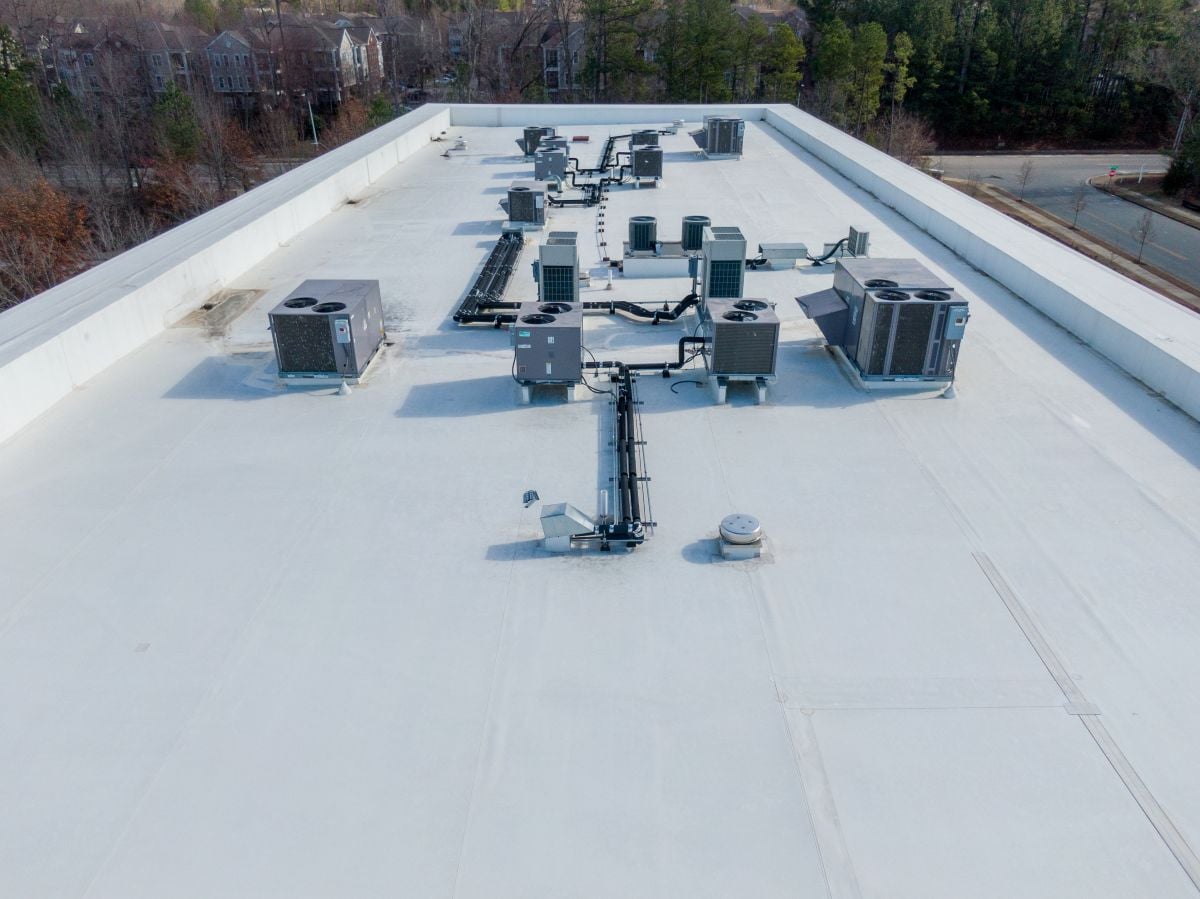

If you’re evaluating flat roofing systems for your building, tpo roofing is one of the most popular and cost-effective options available for commercial properties in 2026. Known for its durability, energy efficiency, and relatively affordable installation costs, TPO has become a go-to solution for warehouses, office buildings, retail spaces, and industrial facilities. For commercial property owners in Omaha and surrounding areas, understanding how TPO roofing works can help you make a confident, long-term investment decision.
- Energy Efficient: Reflective surface reduces cooling costs.
- Cost-Effective: Competitive pricing compared to other single-ply systems.
- Durable: Resistant to UV rays, chemicals, and punctures.
What Is TPO Roofing?
TPO stands for thermoplastic polyolefin, a single-ply roofing membrane commonly used on flat and low-slope commercial roofs. It is made from a blend of polypropylene and ethylene-propylene rubber, which creates a flexible yet durable material.
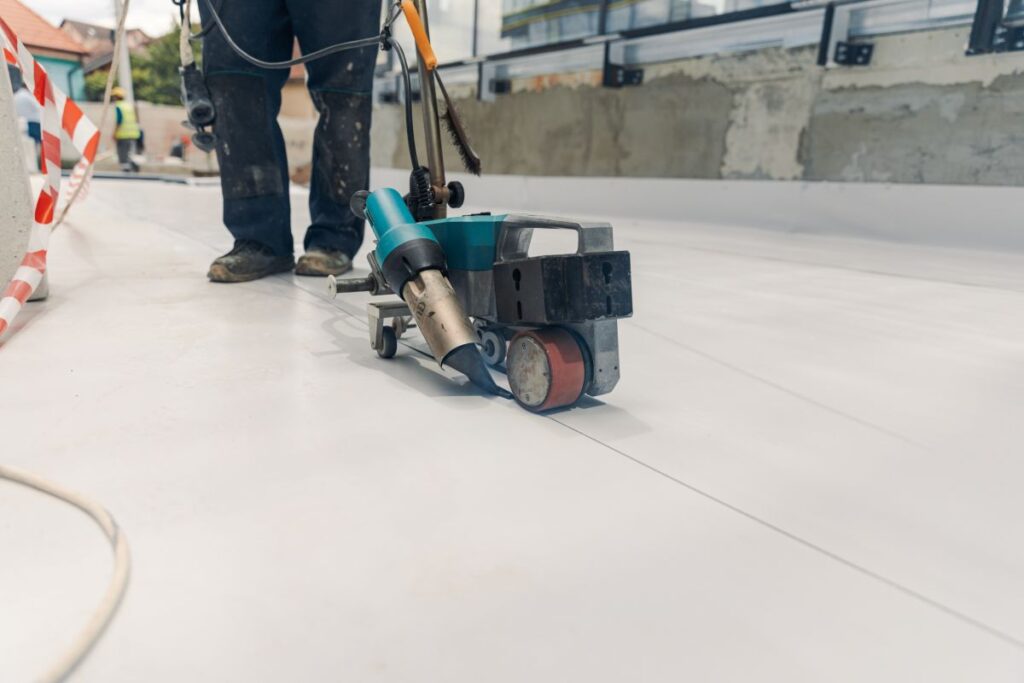
TPO membranes are installed in large sheets that are mechanically fastened, adhered, or heat-welded at the seams. The heat-welded seams create a watertight bond that is often stronger than the membrane itself. In Omaha and surrounding areas, TPO roofing is widely used because it handles temperature swings and seasonal weather effectively.
How TPO Roofing Is Installed
Proper installation is critical to the performance and lifespan of a TPO roof. While methods vary depending on building design, most installations follow a similar process.
Before installation begins, the roof deck is inspected to ensure it is structurally sound and free of moisture damage. Insulation boards are then placed to improve energy efficiency and provide a smooth surface for the membrane.
- Mechanical Attachment: Fasteners secure the membrane to the deck.
- Fully Adhered System: Adhesive bonds the membrane directly to insulation.
- Heat-Welded Seams: Hot air welders fuse seams together to create a watertight barrier.
Professional installation ensures proper seam welding, flashing placement, and drainage design to prevent leaks or ponding water.
TPO Roofing Cost in Nebraska (2026)
The cost of TPO roofing depends on roof size, insulation requirements, and installation complexity. In Nebraska, the average installed price typically ranges between $6 and $9 per square foot.
Here’s a general pricing overview:
| Roof Size | Estimated Cost Range | Expected Lifespan |
| 5,000 sq. ft. Commercial Roof | $30,000–$45,000 | 20–30 years |
| 10,000 sq. ft. Commercial Roof | $60,000–$90,000 | 20–30 years |
| 20,000 sq. ft. Industrial Roof | $120,000–$180,000 | 20–30 years |
Additional costs may apply for tear-off, insulation upgrades, or adding tapered systems to improve drainage.

Key Benefits of TPO Roofing for Commercial Properties
TPO roofing offers several advantages that make it a strong contender for commercial applications.
- Energy Savings: White or reflective membranes reduce heat absorption and lower cooling expenses.
- Chemical Resistance: Performs well in industrial environments exposed to oils or chemicals.
- Flexibility: Expands and contracts with temperature changes without cracking.
- Lightweight Material: Places less structural stress on commercial buildings.
- Low Maintenance: Smooth surface resists dirt buildup and microbial growth.
For property owners in Omaha and surrounding areas, these benefits translate to lower operational costs and long-term performance reliability.
Lifespan of a TPO Roof
A properly installed TPO roof typically lasts between 20 and 30 years, depending on membrane thickness and maintenance practices. Thicker membranes, such as 60 mil or 80 mil systems, generally provide longer service life and greater puncture resistance.
Several factors influence lifespan:
- Quality of Installation: Poor seam welding can shorten performance life.
- Climate Exposure: Extreme UV and temperature swings accelerate wear.
- Maintenance Frequency: Routine inspections help catch minor issues early.
- Drainage Design: Proper slope prevents water ponding and membrane stress.
Regular inspections twice per year and after major storms help extend the lifespan of TPO roofing systems.
TPO vs. Other Commercial Roofing Options
When comparing TPO to other flat roofing materials, it offers a strong balance of cost and performance.
| Feature | TPO | EPDM | PVC |
| Average Cost (per sq. ft.) | $6–$9 | $5–$8 | $7–$12 |
| Seam Strength | Heat-welded | Adhesive | Heat-welded |
| Energy Efficiency | High | Moderate | High |
| Chemical Resistance | Moderate | Low | High |
| Lifespan | 20–30 years | 25–35 years | 20–30 years |
TPO is often chosen for its reflective properties and lower cost compared to PVC, while offering stronger seams than EPDM.
Common Concerns About TPO Roofing
While TPO roofing is widely used, commercial property owners should be aware of potential drawbacks.
- Quality Variations: Not all TPO membranes are manufactured equally. Choosing reputable brands matters.
- Early Product Issues: Older generations of TPO had durability concerns, though modern formulations have improved significantly.
- Seam Sensitivity: Improper heat welding can lead to leaks if not installed correctly.
Partnering with experienced roofing professionals ensures these risks are minimized.
Is TPO Roofing Right for Your Commercial Property?
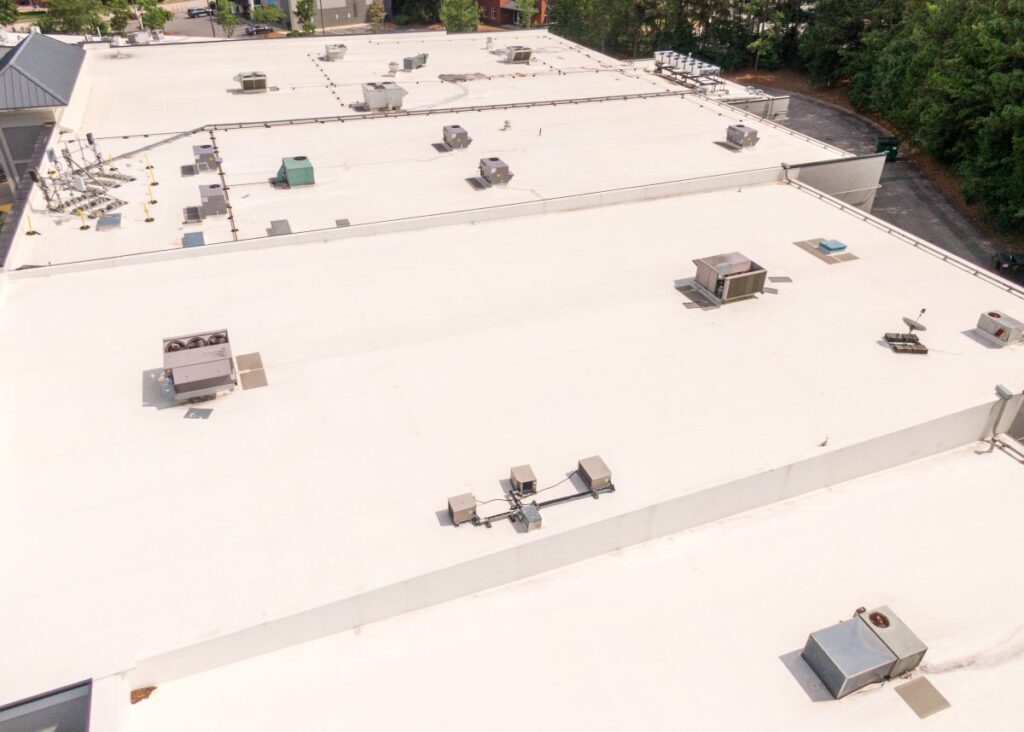
TPO roofing is ideal for large commercial buildings seeking energy efficiency, durability, and budget-friendly installation. Warehouses, office complexes, and retail centers often benefit most from its reflective properties and low maintenance requirements.
In Omaha and surrounding areas, where summers can be hot and winters bring snow accumulation, TPO roofing performs reliably when properly installed and maintained.
A Smart Commercial Roofing Investment
TPO roofing remains one of the top choices for commercial property owners in 2026 thanks to its affordability, energy efficiency, and reliable lifespan. With proper installation and routine maintenance, it offers decades of protection and cost savings for flat and low-slope buildings.
If you’re considering TPO roofing for your commercial property in Omaha and surrounding areas, J-Tech Construction & Solar can help you evaluate your options and select the right system for your building.
Contact J-Tech Construction & Solar today for a free estimate and expert guidance on a TPO roofing system built for long-term commercial performance.