
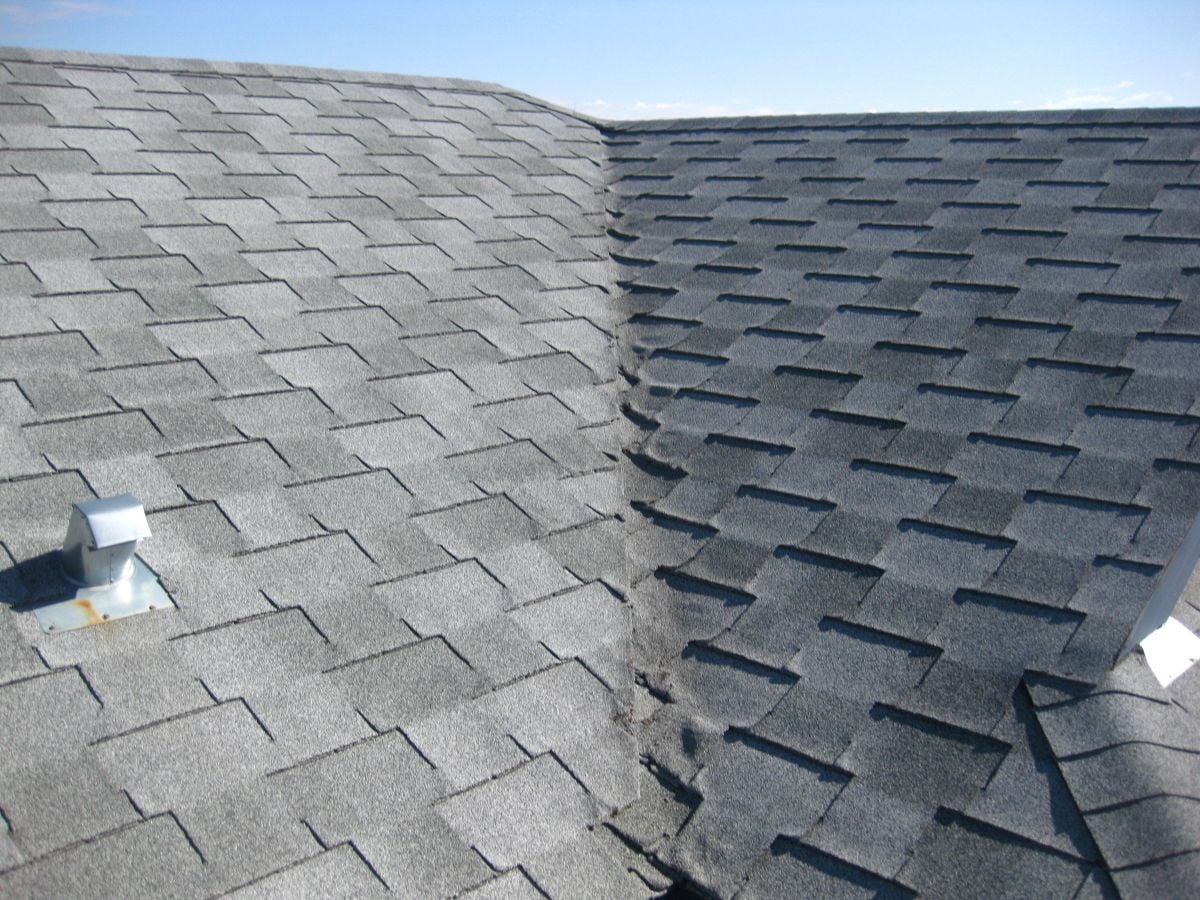
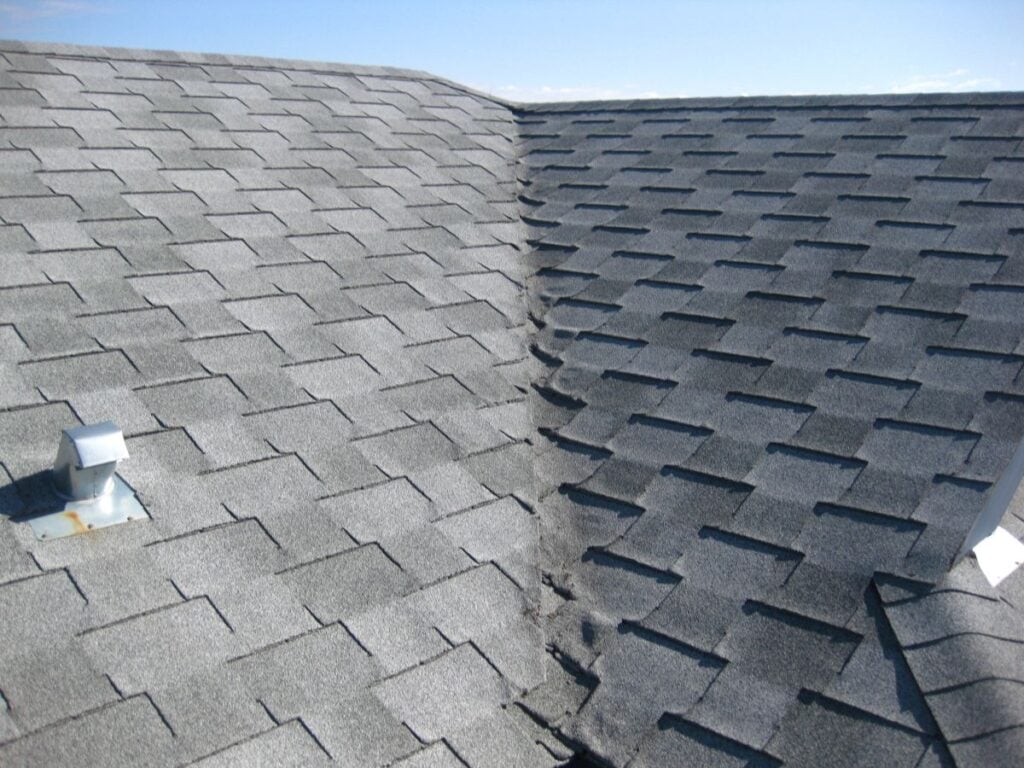
Most signs you need a new roof are hiding in plain sight, and homeowners in Beatrice and surrounding areas tend to spot them only after a leak shows up on the ceiling. By then, the damage often goes well beyond the shingles. The truth is that roofs send warning signals for years before they fail. Once you know what to look for, you can plan a replacement on your own timeline instead of scrambling after a storm. This guide walks through the red flags most homeowners miss and explains what to do when you see them.
- What to watch for: The early warning signs that point to a roof in decline.
- Why each sign matters: What’s happening underneath when you see these problems.
- What to do next: Practical steps to take before small issues become big ones.
Why Do Homeowners Miss These Signs?
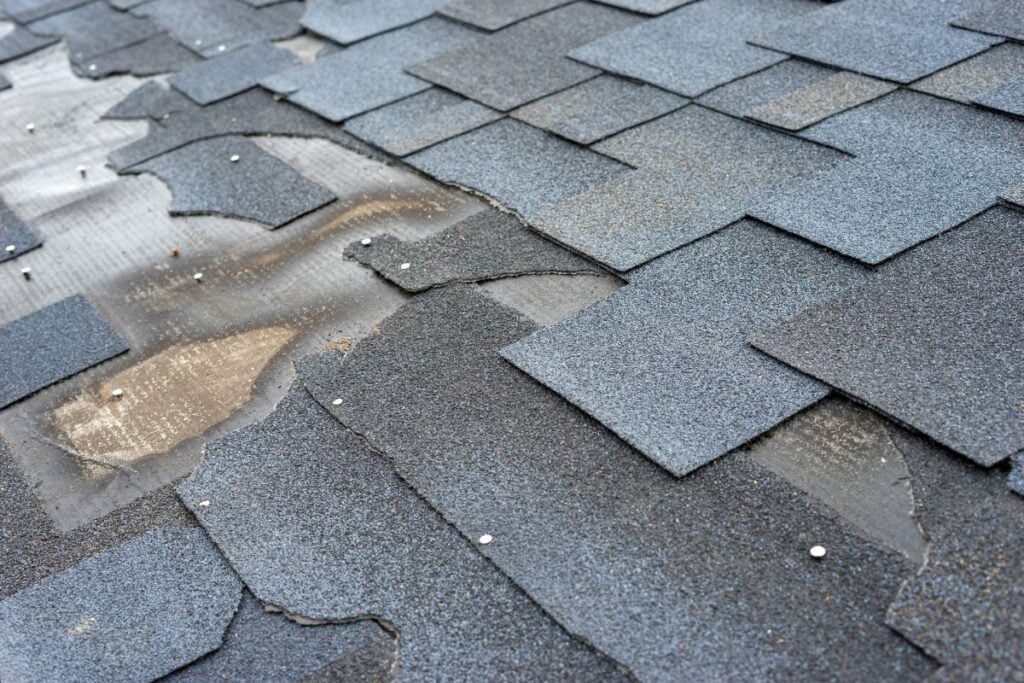
Most roof problems start out small and easy to ignore. A few curled shingle edges look harmless. A patch of moss seems like a yard issue. A bit of granule grit in the gutter feels like normal wear. None of these things scream emergency, so they get pushed off until something bigger goes wrong.
However, regular roof maintenance and inspecting your roof regularly can help you catch these issues early, preventing costly repairs and extending the lifespan of your roof.
When Should You Start Looking Closely?
You should start paying close attention to your roof around year 12 to 15 if you have asphalt shingles, which is the most common roof type. The expected lifespan of your roof depends heavily on the roofing material used—different materials like asphalt shingles, wood shakes, metal, tile, or slate each have their own estimated duration before replacement becomes necessary. According to InterNACHI’s Standard Estimated Life Expectancy Chart for Homes, three-tab asphalt shingles have a life expectancy of about 20 years and architectural shingles about 30 years. However, regular maintenance can help extend the useful life of your roof, allowing you to catch potential issues early and prevent costly repairs. That said, real-world performance varies a lot based on installation, ventilation, and weather exposure. A roof in Beatrice and surrounding areas takes a beating from hot summers, freeze-thaw winters, and the occasional hailstorm. By year 15, even a well-installed roof deserves an honest look.
- 3-tab shingles: Plan to inspect closely around year 12 to 15.
- Architectural shingles: Plan to inspect closely around year 18 to 22.
- Storm exposure: Look closer after any hail or high-wind event.
- Real-world variance: Climate and ventilation can shorten lifespan by years.
7 Roof Red Flags You Shouldn’t Ignore
Below is the numbered breakdown of the warning signs homeowners overlook most often. Visible damage, such as curling, cracking, or missing shingles, is one of the most important clear signs to watch for, as these issues can indicate your roof’s compromised condition. If left unchecked, such problems can quickly escalate and result in costly repairs. Each warning sign tells you something specific about what’s happening to the roof, and each has a clear next step.
1. Granules in the Gutters
If you see what looks like coarse black sand in your gutters, those are shingle granules. Granules collecting in gutters is a clear sign of missing granules from aging shingles, often caused by exposure to weather elements like hail, rain, and wind. They’re the protective coating that shields the asphalt underneath from UV damage. A new roof sheds a small amount during the first year as loose granules wash off. After that, heavy granule loss is a real warning sign. Once the granules are gone, the asphalt dries out fast. The shingles get brittle. Cracks follow. Bald spots show up as dark patches on the roof when you look up at it from the yard. If you’re cleaning gutters and pulling out cup after cup of granules, the roof is aging faster than it should be.
- What it means: UV protection is wearing off and shingles are aging fast.
- What to look for: Bald spots and dark patches visible from the ground.
- What to do: Schedule a professional inspection within the next few months.
- Time horizon: A roof shedding heavy granules usually has 2 to 5 years left.
2. Curling, Cupping, or Clawing Shingles
Shingles are supposed to lie flat. If you see edges turning up, centers lifting, or shingles that look like potato chips, the roof is telling you it’s tired. Curling happens when shingles dry out and shrink, usually from age or poor attic ventilation. Cupping is when the edges rise and the center sinks, which usually points to moisture damage from below. Damaged shingles compromise the roof covering, making it more susceptible to leaks and further deterioration, especially during high winds that can break or blow off weakened shingles. Either way, curled shingles are easy targets for wind and water. They also tell you the rest of the roof is probably in similar shape, even if the other shingles still look okay from the ground.
- What it means: Shingles have lost flexibility and are pulling away from the roof.
- What to look for: Walk around your home and look up at every roof slope.
- What to do: Get a roofer’s opinion before the next storm.
- Time horizon: Widespread curling usually means replacement in 1 to 3 years.
3. Dark Streaks or Patches
Dark streaks running down the roof, especially on north-facing slopes, are usually algae growth. The algae itself isn’t structurally dangerous, but it points to moisture problems and can hide the bald spots underneath. Moss growth and algae can trap moisture against the roof, increasing the risk of water getting under the shingles and causing mold growth inside your home. Bigger dark patches that look like missing texture are a different issue entirely. Those are usually areas where granules have washed away completely and the asphalt mat is showing through. From the ground, both can look similar. From up close, the difference matters. Algae can sometimes be cleaned. Bald asphalt cannot.
- What it means: Either algae growth or full granule loss in those areas.
- What to look for: Dark vertical streaks vs. dark patchy spots.
- What to do: Have a roofer identify which one you’re seeing.
- Time horizon: Algae is fixable; bald spots usually mean replacement is near.
4. Sagging Spots or Soft Areas
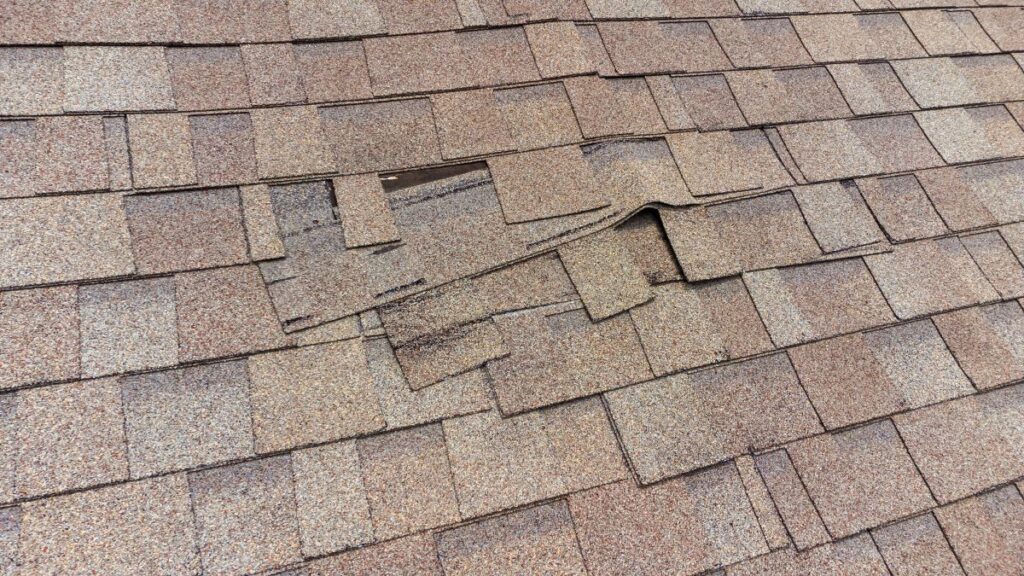
A sagging roof is never normal. If you see a dip in the roofline, even a small one, it usually means the wood decking underneath has gotten wet and weakened. Sagging or wavy roofs can also indicate structural damage to the trusses or deterioration of the roof’s support system, which may extend down to the home’s foundation and require immediate attention. Soft spots you can feel underfoot during a roof inspection are an even clearer sign. Both point to moisture that has worked its way through the shingles and into the structural layer. If your roofline appears uneven or dips in places, it is a structural emergency that often requires a full roof replacement or full replacement to avoid catastrophic failure. Sagging is one of the more serious red flags because it’s not just about replacing shingles anymore. Replacement of the deck adds significant cost and time to the job.
- What it means: Water has reached the roof decking and weakened the wood, potentially causing structural damage.
- What to look for: Visible dips along the roofline from the street, or any uneven or wavy areas.
- What to do: Schedule a professional inspection right away, these issues need immediate attention.
- Time horizon: Sagging needs attention now, not next year. In many cases, a full roof replacement is necessary to restore safety and prevent further damage.
5. Daylight in the Attic
This one is easy to miss because most homeowners rarely visit the attic. On a sunny day, head up there and turn the lights off. If you see beams of daylight coming through the roof deck, water is finding its way in too. Water intrusion through these gaps can cause underlying damage to the roof structure and result in musty smells in the attic, signaling mold or dampness. Even small gaps around vents, chimneys, or in the decking itself can let in serious moisture over time. Chronic roof leaks often indicate widespread underlying failure, usually in the waterproofing layer or decking beneath the surface. While you’re up there, check for water stains on the rafters, damp insulation, or mold. All of those tell you the roof has been leaking longer than you realized, even if no water has shown up downstairs. Water intrusion is a serious issue that can lead to significant structural damage, mold growth, and damage to appliances and furniture if not addressed immediately.
- What it means: There are open gaps where water and air are getting in.
- What to look for: Daylight, water stains, damp insulation, musty smells, mold smell.
- What to do: Take photos and call a roofer for an inspection.
- Time horizon: Active gaps need to be sealed or replaced quickly.
6. Flashing Problems Around Chimneys, Vents, and Skylights
Flashing is the metal that seals the joints where the roof meets a chimney, vent pipe, skylight, or wall. It’s also where most roof leaks actually start. Flashing tends to fail before the shingles do, especially if it was installed with caulk instead of properly woven into the shingle layers. Cracked sealant, lifted flashing, and rust spots all point to trouble. Even if the rest of the roof looks fine, failed flashing alone can let years of water into the attic. Flashing problems can compromise the roof covering and, if left unchecked, can cause more harm by allowing water to penetrate the roof structure. Flashing repairs are usually cheap if caught early. Left alone, they turn into big leaks fast.
- What it means: The seals around roof penetrations are failing.
- What to look for: Cracked caulk, lifted metal, rust, dark stains around joints.
- What to do: Get flashing fixed before a leak forms.
- Time horizon: Address within months, not years.
7. Higher Than Usual Energy Bills
A roof problem you can’t see often shows up on your energy bill before it shows up anywhere else. Many homeowners notice higher energy bills as a result of a failing roof that allows conditioned air to escape, forcing the HVAC system to work overtime. If your heating or cooling costs creep up year over year without any other obvious cause, the roof could be the reason. Damaged roofing or poor attic ventilation lets heat escape in winter and trap in summer. Both make your HVAC system work harder. While energy bills alone don’t prove the roof is failing, they’re a good prompt to inspect everything else on this list. If you spot two or three other red flags along with rising bills, the roof is almost certainly part of the problem.
- What it means: Your roof or attic is letting conditioned air escape.
- What to look for: A pattern of higher bills without other clear causes.
- What to do: Combine this clue with a visual roof inspection.
- Time horizon: Energy losses keep adding up until the root cause is fixed.
What Should You Do When You Spot These Signs?
The right response depends on how many flags you see and how severe they look. One or two minor signs usually mean it’s time for a professional inspection. Multiple signs across the roof usually mean it’s time to plan for replacement.
How Do You Decide Between Repair and Replace?
A simple rule helps: if your roof is under 10 years old and the issue is in one spot, repair almost always makes sense. If your roof is over 15 years old and the problems show up in multiple places, replacement is usually the smarter long-term move. When a roof is approaching or past its expected lifespan or useful life, repairs are often just temporary fixes rather than long-term solutions. In these cases, a full replacement is often more cost effective than continuing with frequent or extensive repairs that no longer provide good value for money. Each repair buys time but adds cost without restoring full lifespan. A good roofer will tell you honestly when a repair is the right call and when it’s just delaying the inevitable. Get a second opinion if anything feels off.
- Repair makes sense: Young roof, isolated problem, clear cause.
- Replacement makes sense: Older roof, widespread issues, multiple repairs already, or roof past its expected lifespan.
- Get multiple opinions: A second contractor’s view is usually worth the time.
- Don’t delay big issues: Sagging, leaks, and large bald spots get worse fast.
Frequently Asked Questions
How often should I inspect my roof?
Inspect your roof at least twice a year, ideally in spring and fall, plus after any major storm. Most of the inspection can be done from the ground with a pair of binoculars. A professional inspection every few years catches what you can’t see from below.
How long does an asphalt shingle roof actually last?
Three-tab asphalt shingles typically last about 20 years and architectural shingles about 30, according to InterNACHI’s life expectancy chart. Real-world performance depends on installation, ventilation, and weather. Expect the shorter end of those ranges in harsh climates and the longer end with good care.
Asphalt shingle roofs have a typical expected lifespan of 20–30 years, but other materials such as metal roofing, tile, slate, or wood shakes can offer a much longer useful life—sometimes 40 years or more—making them attractive alternatives for homeowners seeking greater durability and longevity.
Can I fix some of these problems myself?
Minor flashing caulk and small repairs can be DIY for handy homeowners, but most red flags need a professional. Damaged shingles, missing shingles, and peeling paint are all signs that should be evaluated by a roofing professional to ensure underlying issues are properly diagnosed and addressed. Climbing on a roof carries real injury risk, and improper repairs often void manufacturer warranties. A free inspection from a reputable roofer is usually the safer first step.
Will my insurance cover roof replacement?
Insurance typically covers roof damage from sudden events like hail, wind, or fallen trees, but not normal wear and tear. Insurance companies often evaluate the age and condition of your roof when determining coverage options, and homeowners insurance policies may only offer replacement cost coverage for newer roofs, while older roofs are often settled at actual cash value. Installing a new roof can help you qualify for better coverage and may even lower your insurance premiums. Check your policy declarations page before assuming what’s covered.
What does a new roof cost in 2026?
A typical asphalt shingle replacement on a 2,000-square-foot home runs about $9,000 to $18,000 depending on shingle quality, roof complexity, and any decking repairs needed. Costs can rise further if the roof deck beneath or wood decking is damaged and requires repair. Opting for other materials such as metal, tile, or slate can also affect the price, but investing in quality materials may help save money over time by reducing maintenance and extending the roof’s lifespan. Premium architectural shingles, metal roofing, or steep roof slopes push costs higher.
How long does a roof replacement take?
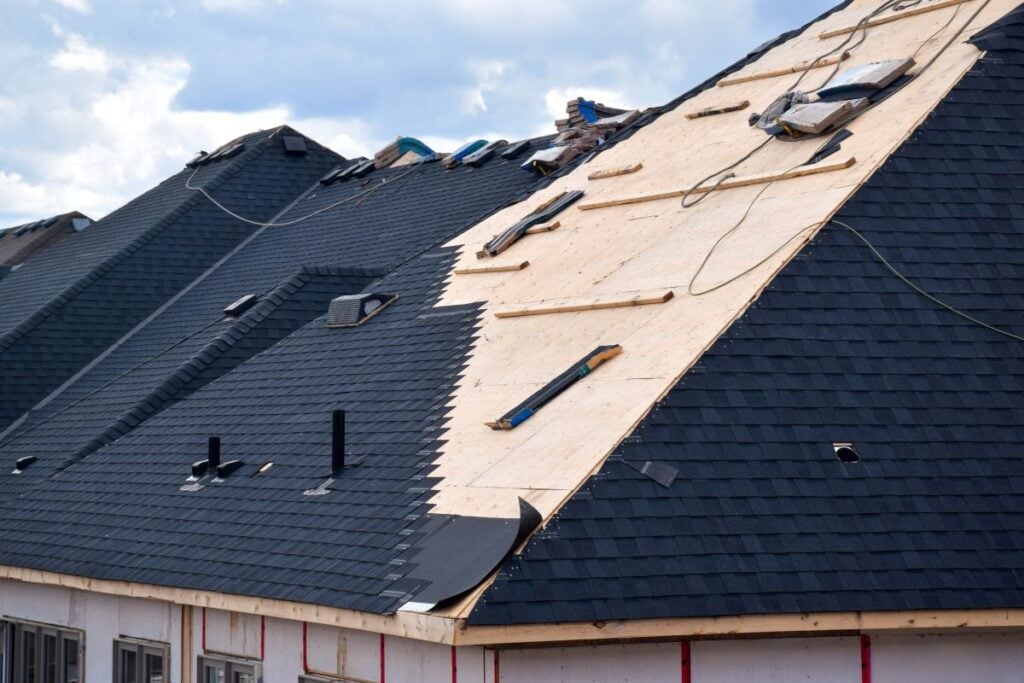
Most asphalt shingle replacements take 1 to 3 days for an average home in good weather. However, heavy snow or heavy rain can delay roof replacement, as these conditions may reveal or worsen underlying issues. During the process, a professional will check for damage to the roof deck to ensure the new roof is installed on a solid foundation. Larger or more complex roofs and unexpected decking repairs can extend the job. A quality contractor will give you a realistic timeline upfront.
Why Choose J-Tech Construction & Solar for Your Roof Inspection?
J-Tech Construction & Solar is the trusted name for roof inspection and replacement in Beatrice and surrounding areas because of more than 20 years of construction experience, a family-owned and locally operated team, and a straightforward approach to telling homeowners what their roof actually needs. Every roof inspection includes a free in-home assessment, transparent written quotes, quick turnaround times, financing options that fit any budget, and warranties on both materials and labor. Whether you’ve spotted one red flag or several, the J-Tech team will walk your roof, show you what they find, and explain your options without pressure or upselling. Contact J-Tech Construction & Solar today to schedule your free roof inspection and find out exactly where your roof stands before the next storm.