
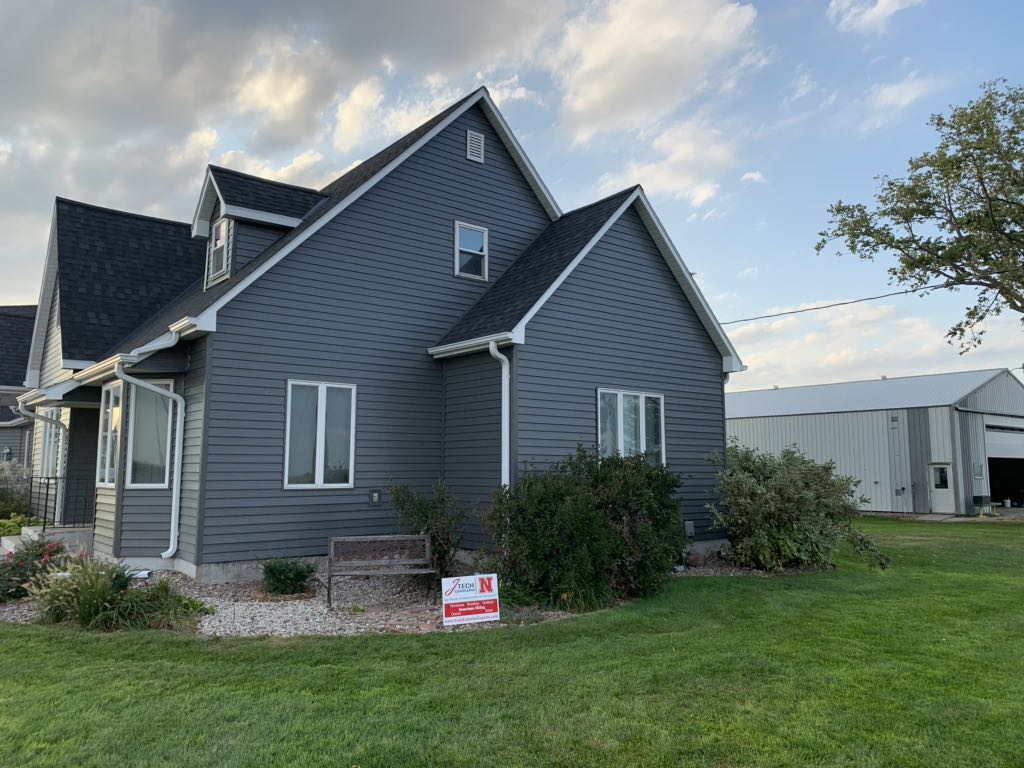
The most popular siding colors for house exteriors in 2026 strike a balance between warm, earthy neutrals and bold statement shades that bring depth and character to a home’s facade. Color trends in 2026 are shifting toward dramatic darks and nature-inspired biophilic tones that foster a sense of calm. Homeowners in Council Bluffs and surrounding areas are moving past the safe beige and tan palettes that dominated the 2010s, leaning instead toward iron grays, navy blues, and sage greens that feel both fresh and timeless. The right color choice impacts your home’s curb appeal, resale value, and how your home reads against its surroundings, so this is not a decision to make from a one-inch paint chip. This guide walks through the ten popular colors dominating exterior design this year, with practical pairing tips and the data to back up each pick. The most popular colors for 2026 include neutrals, earthy tones, and bold dark options that define a home’s character.
Classic colors like whites, greys, and tans tend to maximize resale value as they are versatile and popular with most buyers. Choosing the right siding color and a cohesive color palette can enhance architectural features, create visual harmony, and reflect your personal style.
- Trending palettes: A breakdown of the ten siding colors most popular with homeowners in 2026, plus color palette inspiration and how siding color choices impact a home’s curb appeal.
- Pairing tips: What trim, roof, and accent colors actually work with each shade.
- Style fit: Which architectural styles each color complements best.
Why Does Siding Color Matter So Much?
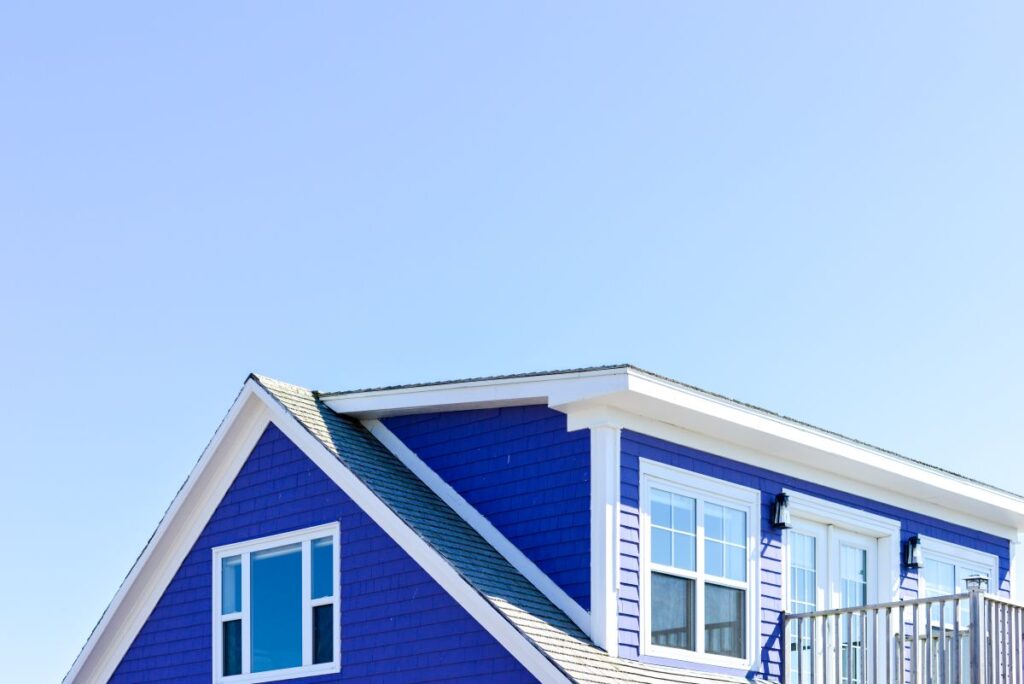
Siding color is the single most visible exterior choice you’ll make, covering 60% to 80% of your home’s facade and shaping every first impression. The right siding color acts as a backdrop that highlights architectural features and landscaping. The wrong shade can flatten an otherwise great home, while the right one elevates the architecture and boosts curb appeal almost overnight.
Beyond just looks, siding colors for house exteriors influence how welcoming, modern, or classic your home appears. Neutral tones like tan and gray do not evoke strong emotions and look good with any architectural style or neighborhood aesthetic, making them popular in every region.
How Long Will Your Color Choice Last?
Your siding color choice typically lasts 20 to 30 years, which is why trend-driven shades carry real risk and timeless neutrals tend to win. Modern factory-applied finishes like James Hardie’s ColorPlus Technology and LP SmartSide’s pre-finished options offer 15- to 30-year fade-resistance warranties, holding their vibrancy through Nebraska’s freeze-thaw cycles and intense summer sun. High-quality siding materials, such as Hardie® products, are valued for their durability, as they resist chipping, peeling, and fading, helping your home’s exterior maintain its appearance over time. Repainting a fiber cement or engineered wood home in the future runs $5,000 to $15,000 depending on size and prep work, so getting the color right the first time saves thousands. Most homeowners in Council Bluffs and surrounding areas are still living with siding installed 15 to 25 years ago, which explains why the recent design refresh feels overdue across so many neighborhoods. Choosing a color that ages well visually matters as much as choosing one that holds its pigment.
- Factory finish lifespan: 15 to 30 years of fade resistance with quality manufacturers.
- Repaint cost: $5,000 to $15,000 to refinish a typical home down the road.
- Trend cycle risk: Bold trend colors can feel dated within 5 to 10 years.
- Resale impact: Outdated or unusual colors can reduce buyer interest at sale.
What Drives the Best Color Choices?
The best siding color choices balance personal taste with three practical factors: your home’s architectural style, the surrounding neighborhood, and the elements you can’t easily change. Roof color, stone or brick accents, and window trim are usually fixed, so the siding has to work with them. The Remodeling Impact Report from the National Association of Realtors found that 92% of Realtors recommend sellers improve curb appeal before listing, with 97% saying curb appeal is important to attracting a buyer. Siding color is the largest single contributor to that curb appeal. Looking at homes you genuinely admire and identifying what works gives you a stronger starting point than scrolling through generic inspiration boards.
- Architectural style: Color must suit colonial, craftsman, modern, or farmhouse design.
- Fixed elements: Roof, brick, stone, and window frames anchor the palette.
- Trim colors: Consider trim colors to create contrast or complement the siding for a cohesive exterior look.
- Neighborhood context: Stand out tastefully without clashing with adjacent homes.
- Personal taste: The color you’ll see every day for two to three decades.
What Are the 10 Most Popular Siding Colors in 2026?
Below is the numbered breakdown of the ten siding colors dominating new installations and exterior remodels this year. Each entry covers the look, ideal style fit, and recommended pairings to help you visualize how the shade would land on your home.
Digital tools like home visualizers allow homeowners to experiment with different siding, trim, and accent colors, making it easy to see how various colors and materials will look on their homes. This helps you explore combinations of different siding styles and materials to create a unique and visually appealing exterior.
1. Iron Gray (James Hardie’s 2026 Color of the Year)
Iron Gray is a deep, sophisticated charcoal neutral that James Hardie named its 2026 Color of the Year, and it has quickly become the most-requested shade for modern farmhouse and contemporary homes. The depth of the gray reads almost black in shadow but softens to a refined slate in direct sunlight, giving the facade a dynamic quality throughout the day. It pairs especially well with crisp white trim, natural cedar accents, and black window frames for that high-contrast modern farmhouse look that has dominated design feeds for years. Iron Gray also handles snow and rain beautifully because dirt and water spots are far less visible than on lighter shades. Council Bluffs and surrounding areas homeowners have been picking this color heavily for new builds and full siding replacements.
- Best style fit: Modern farmhouse, contemporary, transitional.
- Pair with: Arctic White trim, black windows, natural wood accents.
- Roof match: Black, charcoal, or dark gray architectural shingles.
- Skill level: Bold but timeless, with broad buyer appeal.
2. Arctic White
Arctic White remains the bestselling siding color year after year, accounting for an estimated 35% to 45% of James Hardie sales according to manufacturer data. The bright, crisp tone works on virtually every architectural style, from colonial revivals to modern board-and-batten, and it makes landscaping pop in a way that no other color quite matches. White siding does require slightly more maintenance to keep clean, especially near tree-heavy lots where pollen, mildew, and bird stains show up faster. Pairing Arctic White with bold trim or accent colors like Iron Gray, Evening Blue, or natural cedar creates the high-contrast look that defines modern farmhouse architecture. It’s also the safest resale choice because nearly every buyer can picture themselves in a white house.
- Best style fit: Modern farmhouse, colonial, cottage, traditional.
- Pair with: Black or dark gray trim, natural wood doors, stone accents.
- Roof match: Black, charcoal, weathered wood, or dark green.
- Maintenance note: Requires periodic rinsing to maintain brightness.
3. Evening Blue (Navy)
Evening Blue is a rich, medium-dark navy that has become one of the most popular accent and full-facade colors for craftsman, coastal, and traditional homes. The depth of the blue reads sophisticated rather than bright, which is why it works on whole-house applications rather than just shutters or doors. Pairing Evening Blue with Arctic White trim, natural wood doors, and black accents creates a classic East Coast aesthetic that translates beautifully to the Midwest. Navy siding also hides dirt and weathering remarkably well, making it a practical choice for homes near gravel driveways or busy roads. Most major manufacturers offer a navy option, including James Hardie, LP SmartSide, and CertainTeed.
- Best style fit: Craftsman, coastal, traditional, modern farmhouse.
- Pair with: Arctic White trim, natural wood, black or brass hardware.
- Roof match: Black, charcoal, or weathered wood shingles.
- Application tip: Works equally well as full facade or accent gable.
4. Cobble Stone (Warm Greige)
Cobble Stone is a warm greige tone, blending gray and beige undertones into a versatile neutral that has dethroned cool grays in 2026. The warmth makes it feel inviting rather than stark, and it pairs effortlessly with both warm and cool accents depending on the rest of the home. Greige works particularly well in suburban neighborhoods where it complements natural stone, brick, and brown roofing without competing for attention. It hides dirt better than pure white but stays bright enough to keep the home feeling fresh. For homeowners who want something more interesting than beige but more livable than charcoal, Cobble Stone is the sweet spot.
- Best style fit: Traditional, transitional, ranch, suburban.
- Pair with: White or cream trim, natural stone accents, black doors.
- Roof match: Brown, weathered wood, or gray shingles.
- Versatility: Pairs with nearly any roof or accent color.
5. Sand Dunes (LP SmartSide’s 2026 Color of the Year)
Sand Dunes is LP SmartSide’s 2026 Color of the Year, a warm sandy tone that delivers a sun-bleached, natural feel popular with prairie-style and modern farmhouse builds. The color sits between beige and taupe, with subtle warm undertones that read more sophisticated than traditional tan. It pairs naturally with stone accents, cedar shake, and warm-toned roofing, making it an excellent choice for homes with mixed-material exteriors. Sand Dunes also handles dust and pollen well, hiding light debris that would show on white or pale gray. The earthy quality fits the regional character of Nebraska and surrounding plains states beautifully.
- Best style fit: Modern farmhouse, prairie, ranch, transitional.
- Pair with: Cream trim, cedar accents, black hardware.
- Roof match: Brown, weathered wood, or warm gray shingles.
- Regional fit: Particularly popular in Midwest and Plains states.
6. Mountain Sage (Earthy Green)
Mountain Sage is a muted, earthy green that has surged in popularity as homeowners look for nature-inspired colors with broad appeal. The shade reads sophisticated rather than bold, sitting closer to gray-green than true forest green, which keeps it from feeling dated quickly. Sage pairs beautifully with white trim, natural cedar, and black accents, creating an exterior that feels both modern and timeless. It works particularly well on cottage, farmhouse, and craftsman homes nestled into wooded lots. Sherwin-Williams and Benjamin Moore have both featured similar greens in recent color forecasts, signaling broader design industry alignment.
- Best style fit: Cottage, craftsman, farmhouse, lake house.
- Pair with: Arctic White trim, natural cedar, black accents.
- Roof match: Black, charcoal, or weathered wood shingles.
- Personality: Distinctive without being trendy.
7. Pearl Gray (Soft Light Gray)
Pearl Gray is a soft, light gray with cool undertones that has remained a staple choice through every recent design cycle. Unlike the cooler grays that dominated 2015 to 2020, Pearl Gray reads slightly warmer and more livable while keeping the clean, modern feel homeowners want. It works on contemporary, transitional, and traditional homes equally well, making it one of the most versatile shades on this list. Pairing Pearl Gray with black or dark gray trim creates strong contrast, while pairing with white trim keeps the look bright and airy. For homeowners hesitant about going dark, Pearl Gray delivers modern style without the commitment.
- Best style fit: Contemporary, transitional, traditional, ranch.
- Pair with: Black, dark gray, or white trim.
- Roof match: Black, charcoal, or weathered wood shingles.
- Risk level: Low, with broad buyer appeal at resale.
8. Aged Pewter (Mid-Tone Gray with Sandy Undertones)
Aged Pewter is a mid-tone gray with subtle sandy and purple undertones that gives it more depth than standard grays. The color shifts subtly throughout the day, picking up warmth in morning light and cooling as the sun moves overhead. James Hardie’s Aged Pewter has become one of the brand’s top sellers because it bridges warm and cool palettes effortlessly. Pair it with white, beige, or light brown accents to highlight the warm undertones, or with black for a sharper contemporary look. The complexity of the color reads sophisticated rather than flat, which is exactly what homeowners are looking for in 2026.
- Best style fit: Transitional, contemporary, traditional.
- Pair with: White, beige, light brown, or black trim.
- Roof match: Black, charcoal, or brown shingles.
- Distinguishing feature: Subtle color shift through the day.
9. Country Lane Red
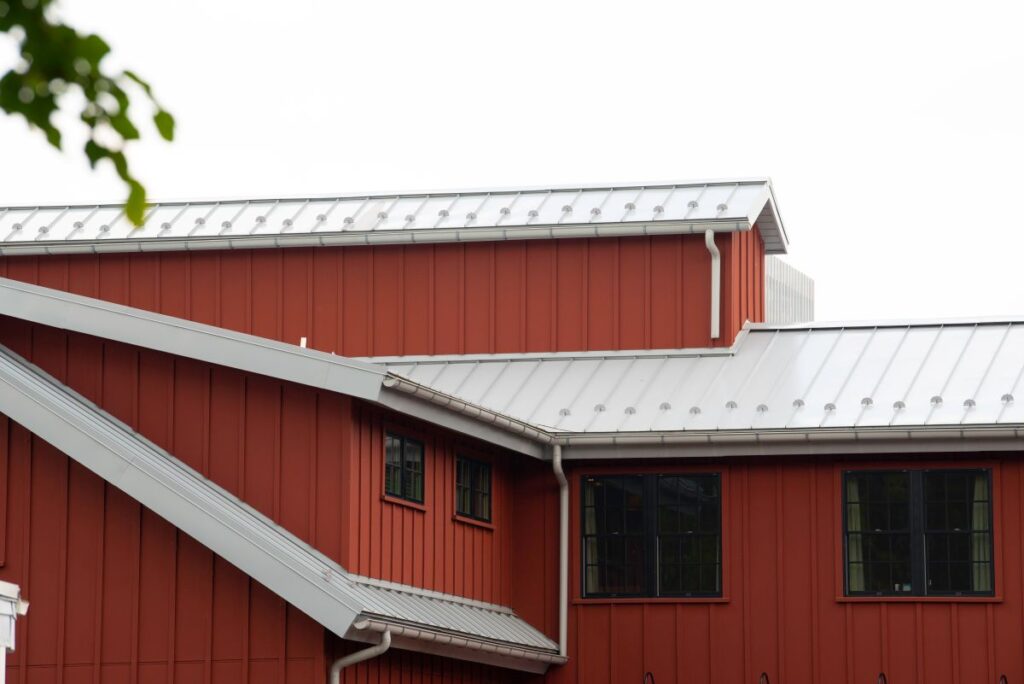
Country Lane Red is one of the deep reds that has emerged as a bold but tasteful choice for craftsman, farmhouse, and historic homes. Warm tones like red and yellow create a happy, welcoming feeling, while cool tones like blue and green conjure soothing, peaceful feelings. The shade pulls from heritage colors used on barns and historic homes throughout the Midwest, making it feel rooted rather than trendy. Pair Country Lane Red with white trim and a black or dark green roof for a classic farmhouse look that photographs beautifully. The color is bold enough to stand out without crossing into novelty territory, which is why James Hardie and LP SmartSide both keep it in their core lineups. It’s a strong choice for homeowners with character homes who want to honor regional architecture.
- Best style fit: Craftsman, farmhouse, historic, cottage.
- Pair with: Arctic White trim, black accents, natural wood doors.
- Roof match: Black, charcoal, or dark green shingles.
- Best application: Whole-house facade on character homes.
10. Boothbay Blue (Soft Coastal Blue)
Boothbay Blue is a soft, dusty blue that serves as a light color option, making it a favorite for cottage, coastal, and lake home aesthetics across the country. Lighter colors reflect heat and keep homes cooler in sunny regions, while darker colors absorb heat, which can be beneficial in colder climates. The color reads lighter and more relaxed than navy, giving facades an airy, welcoming quality that pairs beautifully with white trim and natural wood. Boothbay Blue works especially well on smaller homes, cottages, and lake properties where the shade complements water views and natural surroundings. James Hardie’s Boothbay Blue has been in the top-selling color tier for nearly a decade, proof that the shade has real staying power. It’s a softer alternative for homeowners drawn to navy who want something less intense.
- Best style fit: Cottage, coastal, lake house, cape cod.
- Pair with: Arctic White trim, natural wood, brass hardware.
- Roof match: Black, charcoal, or weathered wood shingles.
- Feel: Relaxed and welcoming rather than bold.
How Should You Pair Siding Color with Your Roof?
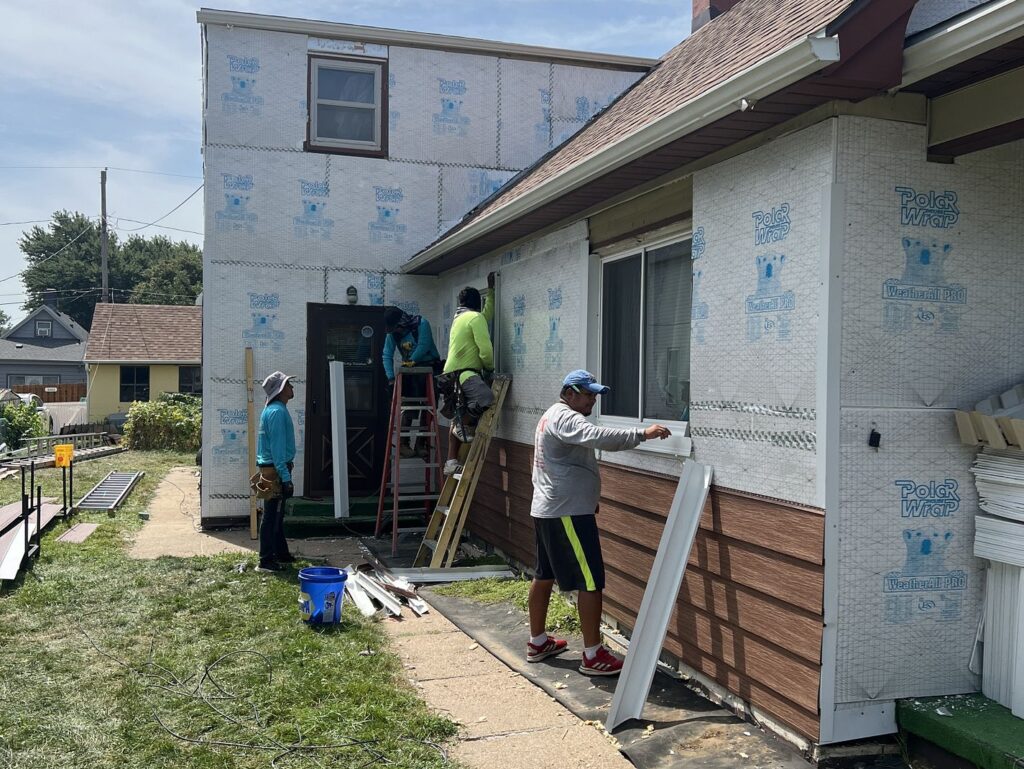
Roof color is one of the largest fixed elements on your home, so siding and roof colors should be carefully paired to achieve the best results. Coordinating these elements is essential for a cohesive look, as a well-matched color scheme enhances the overall visual unity and curb appeal of your home’s exterior. Most homes look best with siding and roof colors that either contrast intentionally or share a unifying undertone.
What Roof Colors Work with Each Siding Shade?
Black and charcoal roofs work with virtually every siding color on this list because the neutrality reads as a clean frame around the facade. Brown roofs pair best with warm siding tones like Sand Dunes, Cobble Stone, and Country Lane Red. Weathered wood and gray-toned shingles complement Iron Gray, Pearl Gray, Evening Blue, and Mountain Sage particularly well. Avoid stark color clashes like a red roof with cool gray siding or a brown roof with bright white siding, since those combinations fight each other and can look uncoordinated. When in doubt, lay actual roofing samples next to siding samples in natural daylight before committing to either.
- Black or charcoal roofs: Universal compatibility with all 10 colors.
- Brown roofs: Pair with warm tones like Sand Dunes and Country Lane Red.
- Weathered wood roofs: Pair with cool tones like Iron Gray and Mountain Sage.
- Sample tip: Compare roof and siding samples in natural daylight together.
Frequently Asked Questions
What is the most popular siding color in 2026?
Iron Gray is the most-talked-about siding color in 2026 after James Hardie named it Color of the Year, but Arctic White still leads in actual sales volume. Together, those two shades account for the majority of new installations across the country. Sand Dunes from LP SmartSide is the rising warm-tone alternative gaining ground quickly.
Do dark siding colors fade faster than light ones?
Dark siding colors traditionally fade faster than light ones because they absorb more UV energy, but modern factory-applied finishes have largely closed the gap. James Hardie’s ColorPlus Technology and LP SmartSide’s pre-finished system both carry 15- to 30-year fade-resistance warranties on dark shades. Field-applied paint on the same colors typically fades much faster.
How much does siding color affect home resale value?
Siding color significantly affects resale value because curb appeal is the first impression buyers form of a home. Neutral and timeless colors like Arctic White, Iron Gray, and Cobble Stone tend to hold appeal across a broad buyer pool, while bold or unusual colors can narrow the buyer pool. Realtors consistently rank exterior condition and curb appeal among the top factors in time-on-market and final sale price.
Can I change my siding color without replacing the siding?
Yes, you can repaint existing fiber cement, vinyl (with specialty paint), wood, or engineered wood siding to change the color without full replacement. For wood siding, you also have the option to have it stained instead of painted. Staining enhances the natural character and warmth of the wood, highlighting its unique features and providing a different aesthetic appeal compared to paint. Repaint costs typically run $5,000 to $15,000 depending on home size, prep work, and paint quality. Repainted finishes generally last 8 to 12 years before needing another refresh, which is shorter than factory-applied finishes.
Should my siding be lighter or darker than my roof?
Either approach works, and the choice depends on the look you want. Pairing the siding hue with the roof hue is important: siding lighter than the roof creates a traditional, grounded feel that suits most architectural styles, while siding in a darker hue than the roof creates a bold, modern look that works especially well on contemporary and farmhouse homes. The key is intentional contrast between the hues rather than colors that fall in the same value range.
What siding color is best for a small house?
Light siding colors like Arctic White, Pearl Gray, and Sand Dunes typically make small homes appear larger by reflecting light and visually expanding the facade. While darker colors can make a small home feel even smaller, adding bold accent colors as pops on gables, trim, or doors can create visual interest and personality without shrinking the perceived size. Cohesive trim and shutter colors also help small homes read as bigger and more refined.
Why Choose J-Tech Construction & Solar for Your Siding Replacement?
J-Tech Construction & Solar is the trusted name for siding replacement in Council Bluffs and surrounding areas because of more than 20 years of installation experience, a family-owned and locally operated team, and deep expertise across James Hardie, LP SmartSide, and other premium siding systems. Every siding installation includes a free in-home consultation, transparent written quotes, quick turnaround times, financing options for any budget, and warranties that protect your investment for decades.
Whether you’re drawn to the bold sophistication of Iron Gray, the timeless brightness of Arctic White, or the warm character of Sand Dunes, the J-Tech team helps you choose a color that fits your home, your neighborhood, and your long-term plans. Contact J-Tech Construction & Solar today to schedule your free siding estimate and explore the 2026 color options that will transform your home’s curb appeal for years to come.