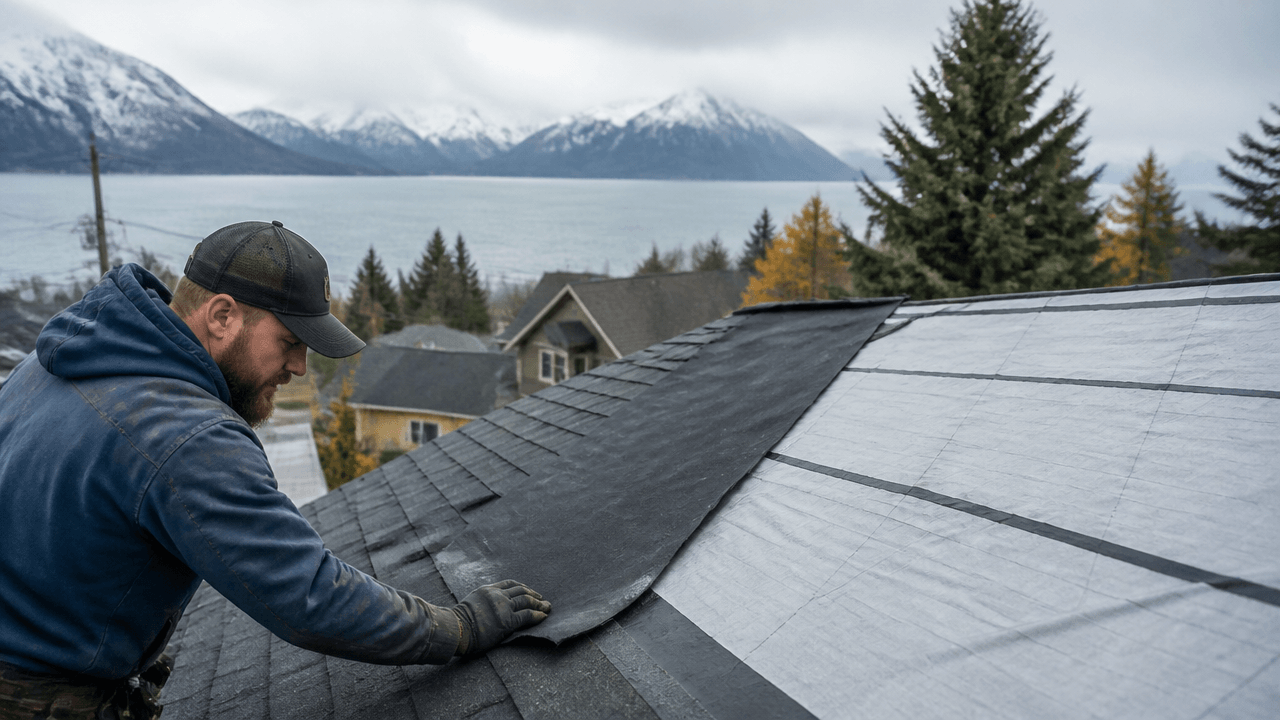
• Roof underlayment types help protect your home from water, wind, and cold weather before the outer roofing material takes the full hit. Choosing the right one matters even more in Seward, where fall weather can turn rough fast.
• This checklist breaks down the key things to look for, including moisture control, cold-weather performance, roof slope, and overall fit for your home. It gives readers a simple way to compare options before starting a roofing project.
• The article also shares practical advice, common mistakes to avoid, and answers to common questions about roof underlayment. That makes it easier to make a smart choice and feel confident about roof protection before winter arrives.
Choosing the Right Roof Underlayment for Fall Weather
The main goal when comparing roof underlayment types is to pick a layer that helps your roof stand up to cold rain, wind, and early snow. In Seward, fall weather can change fast, so the right choice can help protect your home before winter sets in.
Different materials offer different levels of protection, and that is why the best option depends on your roof, budget, and local weather. If you are planning a roof upgrade, our roofing services can help you make a smart choice for your home.
Knowing the main roof underlayment types gives you a better way to compare how each one handles moisture and temperature swings. That makes it easier to choose a product that supports long-term roof performance in Seward’s fall season.

Roof Underlayment Checklist for Fall Projects
Use this checklist to make a smart choice that fits your roof, your budget, and Seward’s colder fall weather. The right plan can help you narrow down the best roof underlayment types before winter arrives.
- ✅ Check the roof slope before choosing a material
- ✅ Review how each option handles moisture
- ✅ Look at how well it performs in cold weather
- ✅ Compare cost against long-term value
- ✅ Ask if the product fits your roof system
- ✅ Make sure the underlayment supports leak protection
- ✅ Confirm the installer uses the right method
- ✅ Plan the project before freezing weather sets in
Each step helps you focus on the details that matter most when choosing roofing materials for a home in Seward. A careful review now can save time, reduce stress, and support better roof protection later.
When you compare roof underlayment types with this checklist in mind, it becomes much easier to choose what works best for your property. That simple approach can help you move forward with more confidence before winter weather gets stronger.
Additional Advice
One of the best ways to choose the right underlayment is to think about how your roof handles water, cold air, and fast-changing weather. In Seward, that matters even more in fall, when rain and early snow can test weak spots fast.
It also helps to avoid choosing a product based only on price. The cheapest option is not always the best fit, especially if your roof needs stronger moisture control or better cold-weather performance.
If you are not sure which material makes sense, talk with a roofing team that works in your area. A local crew can help you compare roof underlayment types and match them to the way your home is built, and you can learn more through our services page.
Another smart step is to plan ahead before the weather turns colder. Small delays can create bigger problems later, so early planning can help you stay ahead of leaks, ice, and repair costs.
Frequently Asked Questions
What are roof underlayment types used for?
Roof underlayment types are used to add a protective layer between the roof deck and the outer roofing material. This layer helps reduce water intrusion and gives the roof extra protection in harsh weather.
Which roof underlayment types work best in cold weather?
Yes, some roof underlayment types work better in cold weather than others. Materials that handle moisture well and stay stable in low temperatures are often a better fit for fall and winter roofing jobs.
Do all roofs need underlayment?
Yes, most roofs need underlayment as an important part of the roofing system. It helps protect the home if shingles or other outer materials let water through.
How do I choose between different roof underlayment types?
The best choice depends on your roof design, climate, and budget. A roofing professional can help you compare roof underlayment types and pick the one that fits your home best.
Can roof underlayment help prevent leaks?
Yes, roof underlayment can help reduce the chance of leaks reaching the roof deck. It is an added layer of protection, not a replacement for proper installation and regular roof care.
Final Thoughts on Roof Protection
Choosing the right underlayment is a smart step for any roof project, especially when fall weather in Seward starts to shift toward winter. The right material can help protect your home from moisture, cold air, and early season wear.
By comparing the options carefully and thinking about your roof’s needs, you can make a better decision that supports long-term performance. If you want to stay connected with the team at J-Tech Construction & Solar, be sure to follow us on social media.