
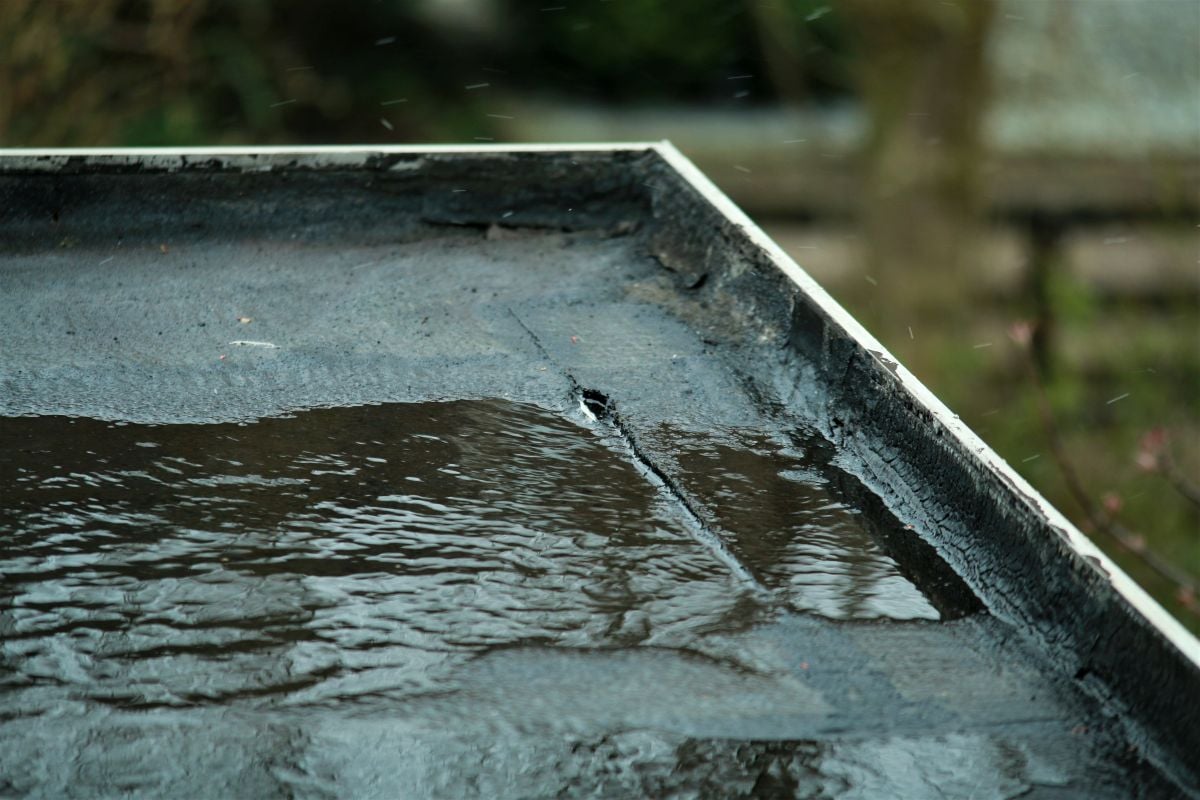
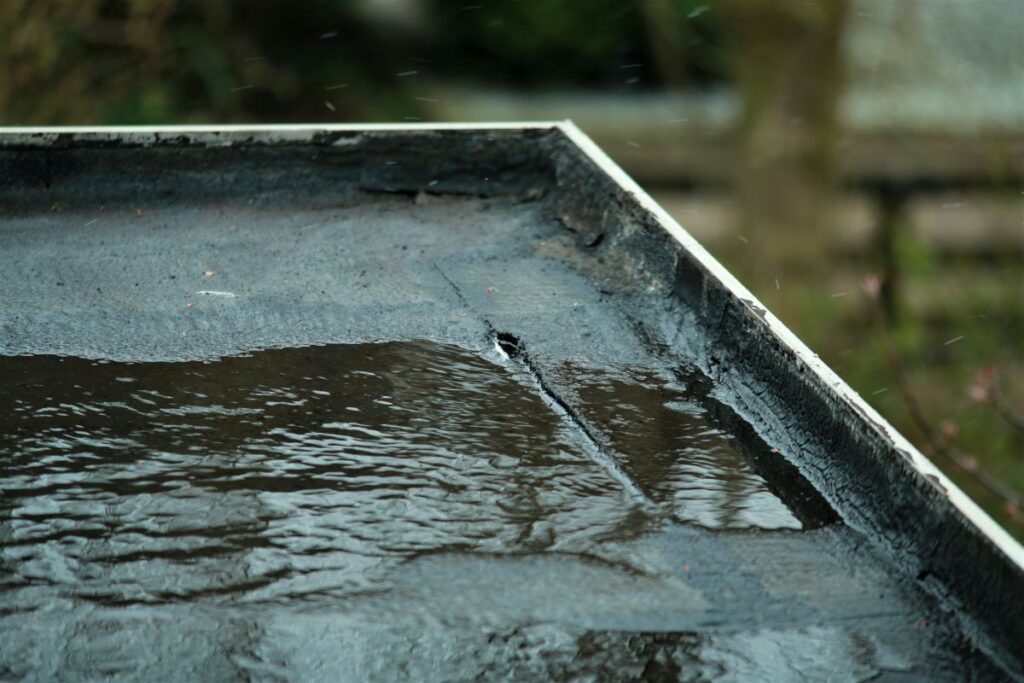
If you’ve noticed standing water sitting on your building after a storm, you may be dealing with roof ponding, a common issue on flat and low-slope roofing systems. While it might not seem urgent at first, persistent ponding can lead to leaks, structural strain, and costly repairs. For homeowners and commercial property owners in Lincoln and surrounding areas, understanding roof ponding is essential to protecting both your property and your budget.
- Weight Concerns: Standing water adds significant stress to your roof structure.
- Leak Risk: Prolonged moisture exposure weakens roofing membranes and seams.
- Preventable Damage: Proper drainage and maintenance can eliminate most ponding issues.
What Is Roof Ponding?
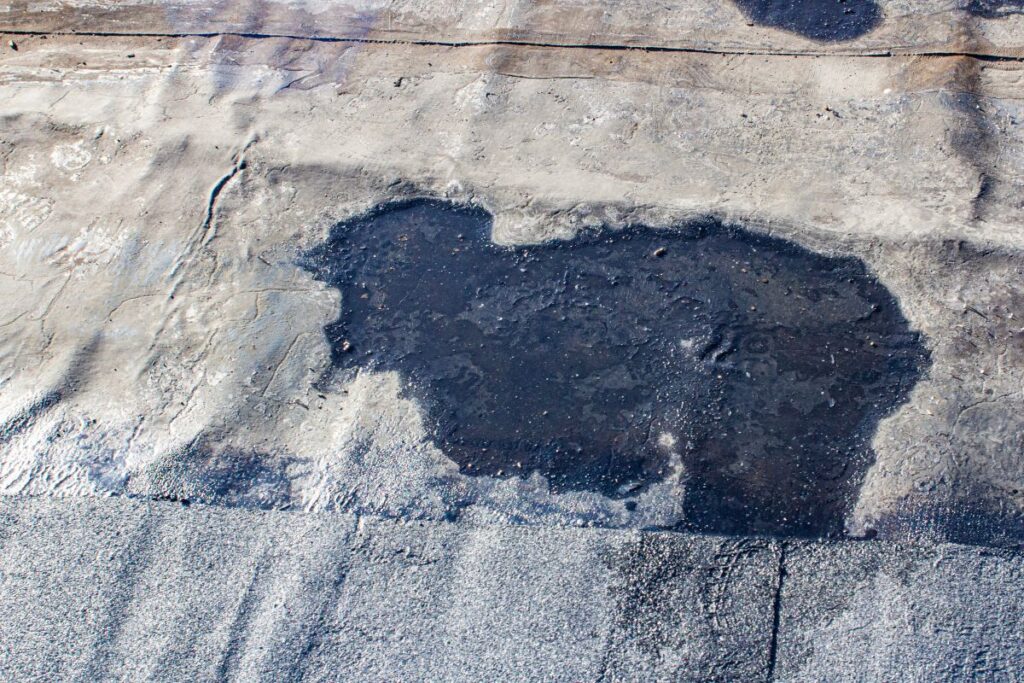
Roof ponding occurs when water remains on a flat or low-slope roof for more than 48 hours after rainfall. While flat roofs are designed with slight slopes to encourage drainage, imperfections or blockages can allow water to collect in certain areas.
In Lincoln and surrounding areas, heavy rainstorms, melting snow, and freeze-thaw cycles can increase the likelihood of ponding. Even high-quality roofing materials are not designed to support long-term standing water, making early detection and correction critical.
Why Roof Ponding Happens
Several structural and environmental factors contribute to ponding water. Identifying the underlying cause is the first step toward implementing an effective fix.
- Inadequate Roof Slope: Flat roofs require a subtle pitch to guide water toward drains, and even minor sagging can disrupt that flow.
- Clogged Drains or Scuppers: Leaves, debris, and dirt block drainage systems, forcing water to accumulate on the surface.
- Structural Deflection: Over time, roof decking may sag under weight, creating low spots that repeatedly collect water.
- Improper Installation: Uneven insulation boards or poor membrane application can result in subtle dips across the surface.
- Snow and Ice Accumulation: Freeze-thaw cycles in Nebraska can create ice buildup that traps melting water on the roof.
For commercial buildings especially, these issues can compound over time, leading to larger structural concerns if left unaddressed.

The Risks of Roof Ponding
While a shallow puddle may not appear serious, prolonged ponding creates real risks for both residential and commercial properties. Even a single inch of standing water can weigh over five pounds per square foot, adding thousands of pounds of stress across large roof areas.
- Membrane Deterioration: Constant moisture exposure accelerates breakdown of TPO, EPDM, modified bitumen, and other flat roofing materials.
- Seam Separation: Prolonged water pressure can weaken welded or adhered seams, leading to leaks.
- Insulation Damage: Water infiltration reduces insulation performance and increases energy costs.
- Structural Stress: Repeated water weight may cause additional sagging, worsening the drainage problem.
- Interior Damage: Ceiling stains, mold growth, and drywall damage often follow untreated ponding issues.
For property owners in Lincoln and surrounding areas, addressing ponding early prevents long-term structural complications and expensive replacements.
5 Steps to Fix Roof Ponding
The right solution depends on the root cause of the issue. In many cases, relatively simple improvements can resolve drainage concerns before they escalate.
- Install Tapered Insulation: Tapered systems create a gradual slope that directs water toward drains without major structural reconstruction.
- Add Additional Drains or Scuppers: Increasing drainage points improves water flow across large commercial roofs.
- Clear Debris Regularly: Scheduled cleaning prevents clogs that lead to standing water.
- Reinforce Structural Supports: Addressing deck sagging restores proper slope and prevents repeated ponding.
- Apply Waterproof Coatings: High-quality roof coatings add an extra protective barrier against moisture penetration.
A professional inspection helps determine whether the issue is surface-level or structural, ensuring the correct repair strategy is implemented.
Preventing Future Ponding Problems
Preventative maintenance is far more cost-effective than repairing water damage after the fact. Routine inspections and drainage checks can dramatically reduce the risk of recurring ponding.
- Inspect After Major Storms: Check for standing water within 24 to 48 hours after heavy rainfall.
- Maintain Drainage Systems: Keep gutters, drains, and downspouts clear year-round.
- Schedule Annual Roof Evaluations: Professional inspections identify low spots before they worsen.
- Monitor Roof Equipment Areas: HVAC units and other rooftop systems can disrupt drainage patterns.
Commercial property owners, in particular, benefit from structured maintenance plans to ensure large roof areas remain properly sloped and functional.
Why Roof Ponding Is a Bigger Concern in Nebraska
Nebraska’s weather patterns contribute significantly to roof ponding risks. Heavy summer thunderstorms, combined with snow accumulation in winter, place repeated stress on flat roofing systems. Freeze-thaw cycles can expand small cracks or low spots, gradually worsening drainage over time.
In Lincoln and surrounding areas, roofs must withstand rapid temperature swings, strong winds, and seasonal precipitation. Without proper slope and drainage, these conditions increase the likelihood of standing water and structural strain.
When to Call a Professional
While minor debris removal can be handled by property owners, structural deflection or persistent drainage problems require professional evaluation. Attempting temporary fixes without identifying the underlying issue can lead to recurring damage.
Professional roofing teams can assess slope accuracy, insulation placement, membrane integrity, and drainage performance to develop a long-term solution rather than a short-term patch.

Address Roof Ponding Before It Leads to Bigger Problems
Roof ponding may seem minor at first, but prolonged standing water can significantly shorten your roof’s lifespan and lead to expensive structural damage. Understanding the causes, recognizing the risks, and taking corrective action early protects your investment and prevents unnecessary repairs.
If you’re experiencing ponding issues in Lincoln and surrounding areas, J-Tech Construction & Solar can provide a professional assessment and recommend the right solution for your property.
Contact J-Tech Construction & Solar today for a free inspection and ensure your flat or low-slope roof remains safe, dry, and built to withstand Nebraska’s toughest weather conditions.