
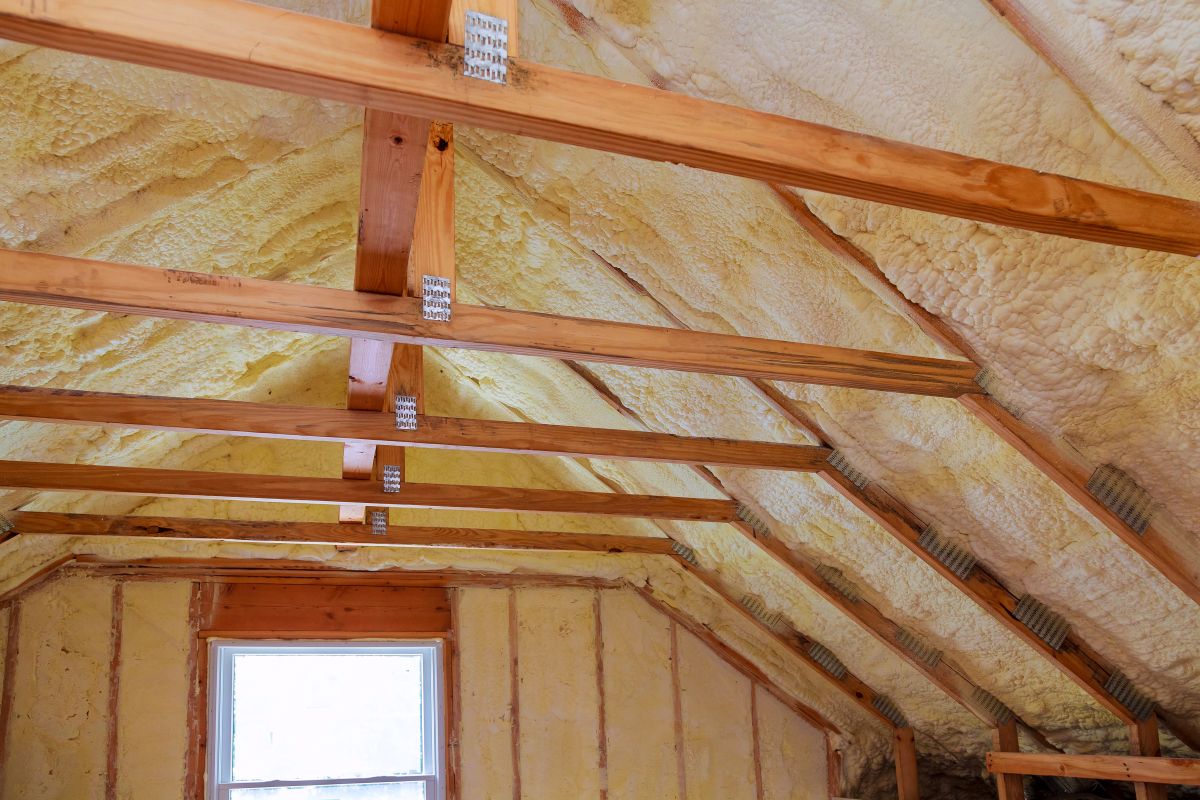
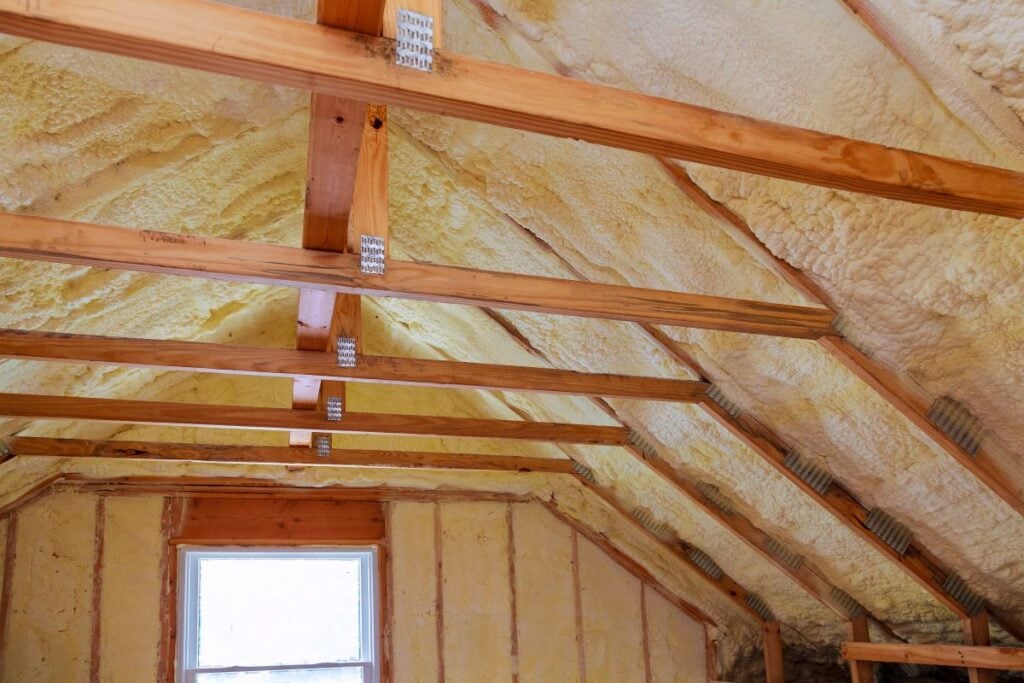
Understanding roof insulation R value is essential for homeowners and commercial property owners who want to improve energy efficiency, reduce utility costs, and maintain a comfortable indoor environment. The R value measures how well insulation resists heat flow, making it a key factor in determining the effectiveness of your roofing system. In Omaha and surrounding areas, where temperatures fluctuate significantly throughout the year, selecting the right insulation with an appropriate R value is crucial for protecting your property and maximizing long-term performance.
- Energy Efficiency: Higher R values reduce heat transfer and improve temperature control.
- Cost Savings: Proper insulation lowers heating and cooling expenses year-round.
- Enhanced Comfort: Maintains consistent indoor temperatures regardless of outdoor conditions.
What Is Roof Insulation R Value?
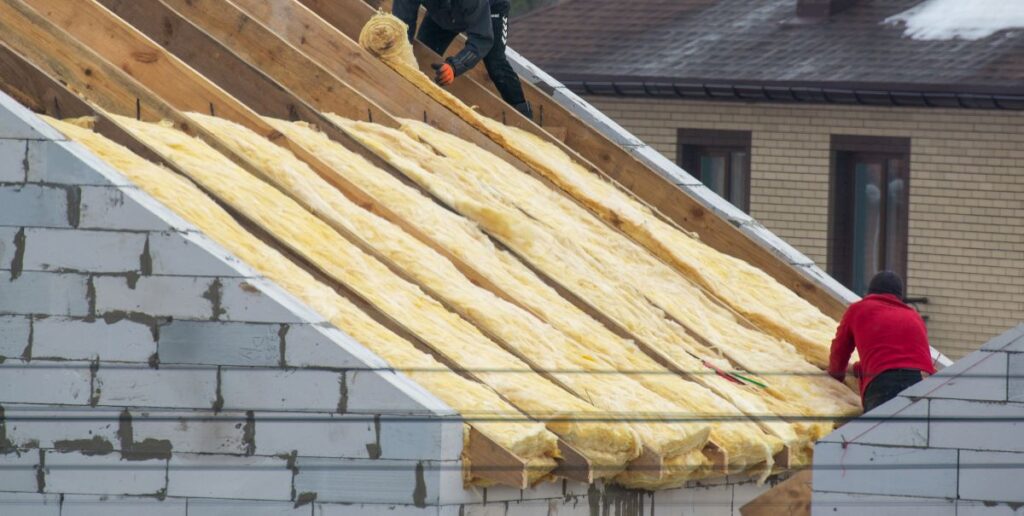
Roof insulation R value refers to the thermal resistance of an insulation material, indicating how effectively it prevents heat from passing through the roofing system. The higher the R value, the better the insulation performs in resisting heat transfer. This measurement is particularly important in regions like Omaha and surrounding areas, where buildings must handle both extreme summer heat and freezing winter temperatures.
R value is determined by factors such as material type, thickness, and density. Insulation with a higher R value provides superior thermal performance, helping to reduce energy consumption and improve indoor comfort. Choosing the right R value for your roof ensures that your building remains efficient and protected throughout every season.
Why Roof Insulation R Value Matters
Proper roof insulation plays a vital role in regulating indoor temperatures and reducing strain on heating and cooling systems. Without adequate insulation, buildings can experience significant heat loss in winter and excessive heat gain in summer, leading to higher energy bills and reduced comfort.
In Omaha and surrounding areas, selecting the appropriate roof insulation R value helps property owners maintain consistent indoor conditions while protecting their roofing systems from temperature-related stress. Investing in high-quality insulation also contributes to improved building durability and long-term energy savings.
6 Factors & Considerations for Roof Insulation R Value
Choosing the right insulation involves more than selecting the highest R value available. The following factors should be carefully evaluated to ensure optimal performance and efficiency.
1. Climate and Regional Requirements
Climate plays a significant role in determining the appropriate R value for your roof. Buildings in colder climates require higher R values to prevent heat loss, while those in warmer regions focus on minimizing heat gain.
- Cold Weather Protection: Higher R values help retain heat during winter months.
- Hot Climate Efficiency: Reflective insulation reduces cooling demands in summer.
- Local Code Compliance: Building codes in Nebraska specify minimum R value requirements for energy efficiency.
2. Type of Roofing System
Different roofing systems require specific insulation types and R values to perform effectively. The structure and design of your roof influence the insulation approach and overall thermal performance.
- Flat and Low-Slope Roofs: Typically use rigid board insulation such as polyiso or XPS.
- Metal Roofing Systems: Often require continuous insulation to prevent thermal bridging.
- Sloped Residential Roofs: May use batt or blown-in insulation for enhanced coverage.
3. Insulation Material Selection
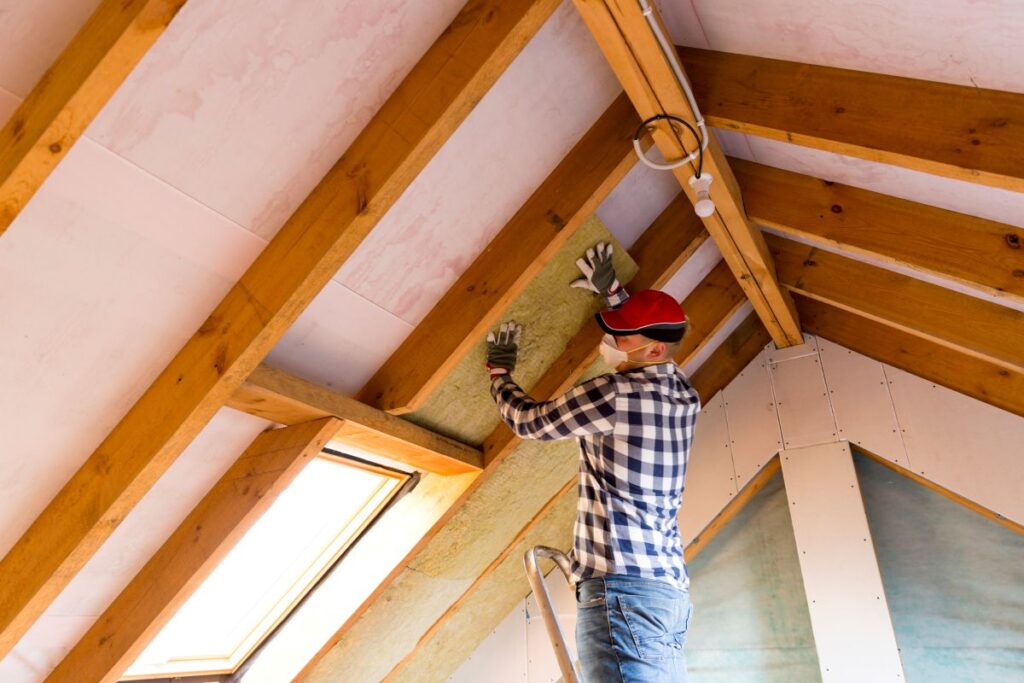
Various insulation materials offer different R values per inch of thickness. Selecting the right material ensures optimal performance and compatibility with your roofing system.
- Polyisocyanurate (Polyiso): Provides one of the highest R values per inch, ideal for commercial applications.
- Extruded Polystyrene (XPS): Offers strong moisture resistance and consistent thermal performance.
- Expanded Polystyrene (EPS): Cost-effective and versatile for multiple roofing systems.
- Fiberglass Insulation: Commonly used in residential applications for its affordability and ease of installation.
4. Insulation Thickness and Installation Method
The thickness of insulation directly impacts its R value and overall effectiveness. Proper installation ensures consistent coverage and eliminates gaps that could compromise thermal performance.
- Increased Thickness: Higher insulation thickness improves thermal resistance.
- Layered Insulation Systems: Multiple layers enhance performance and reduce thermal bridging.
- Professional Installation: Ensures accurate placement and optimal efficiency.
5. Moisture and Vapor Control
Moisture intrusion can significantly reduce insulation performance by lowering its R value. Proper moisture management is essential for maintaining insulation effectiveness and protecting your roofing system.
- Vapor Barriers: Prevent moisture from penetrating insulation layers.
- Ventilation Systems: Maintain airflow and reduce condensation risks.
- Water-Resistant Materials: Help preserve insulation performance in humid environments.
6. Energy Efficiency Goals and Building Use
The intended use of your building influences the required R value and insulation performance. Facilities with specialized temperature requirements, such as warehouses or manufacturing plants, often require higher R values for optimal efficiency.
- Residential Buildings: Require insulation levels that support comfort and energy savings.
- Commercial Properties: Benefit from higher R values to reduce operational costs.
- Industrial Facilities: Demand superior thermal performance to maintain controlled environments.
Recommended Roof Insulation R Values for Nebraska
Recommended Roof Insulation R-Values for Nebraska
Climate Zone 5 guidelines for residential and commercial roofing
Definitions
- R-Value
- R-value measures a material’s resistance to heat flow. Higher R-values mean better thermal insulation and lower heating and cooling costs.
- Climate Zone 5
- The U.S. Department of Energy climate region that includes all of Nebraska. Zone 5 has cold winters and warm summers, requiring substantial roof and attic insulation.
- Continuous Insulation
- An uninterrupted layer of rigid insulation installed across the entire roof deck, eliminating thermal bridging through framing members. Especially important for metal roofs.
Frequently Asked Questions
What R-value is recommended for attics in Nebraska?
Nebraska sits in Climate Zone 5, where the U.S. Department of Energy recommends an attic insulation R-value of R-38 to R-60 for residential homes.
What R-value should a flat commercial roof have in Nebraska?
Flat or low-slope commercial roofs in Nebraska typically require an R-value of R-25 to R-35 to meet energy code and provide effective thermal performance.
Do metal roofs need different insulation?
Metal roofing systems in Nebraska should be insulated to at least R-30. Because metal conducts heat and cold quickly, continuous insulation and a proper vapor barrier are especially important.
In Nebraska’s climate, proper insulation is essential for year-round efficiency. While specific requirements vary based on building type and local codes, general recommendations include:
- Residential Attics: R-38 to R-60 depending on building design and energy goals.
- Flat or Low-Slope Commercial Roofs: R-25 to R-35 for optimal performance.
- Metal Roofing Systems: R-30 or higher to improve energy efficiency and prevent condensation.
Consulting with a roofing professional ensures your insulation meets both energy efficiency standards and local building code requirements.
Benefits of Choosing the Right Roof Insulation R Value
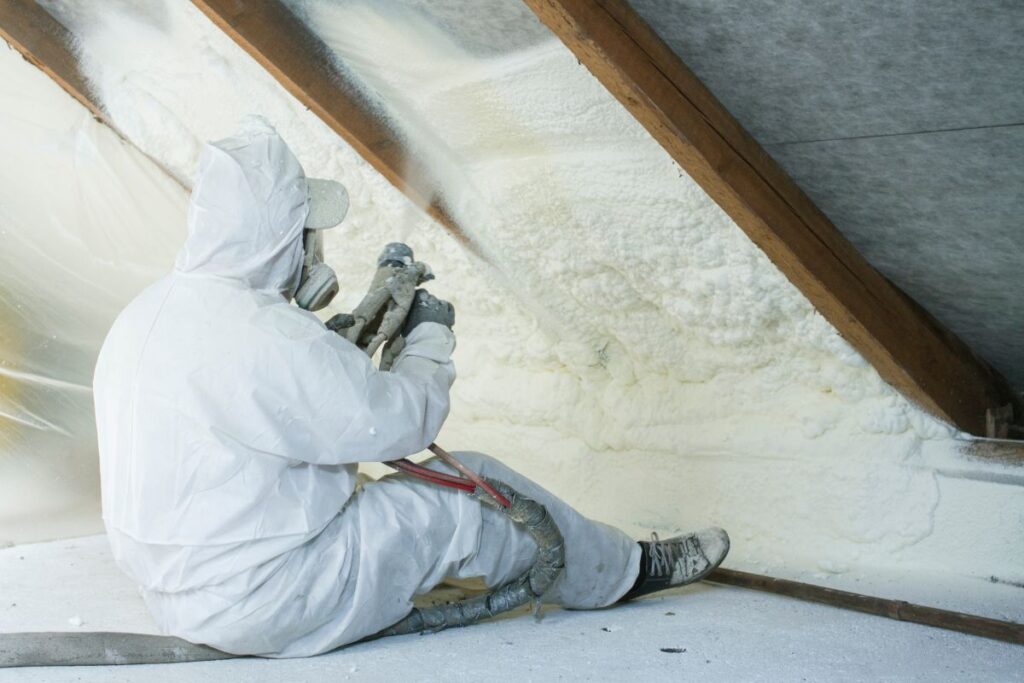
Selecting the correct R value provides significant advantages for homeowners and commercial property owners alike.
- Lower Energy Bills: Reduces heating and cooling costs throughout the year.
- Improved Indoor Comfort: Maintains stable temperatures in all seasons.
- Enhanced Roof Performance: Protects roofing materials from thermal stress.
- Long-Term Savings: Minimizes maintenance and repair expenses.
- Environmental Sustainability: Reduces energy consumption and carbon footprint.
These benefits make proper insulation one of the most valuable investments for improving building efficiency and performance.
Optimize Your Roof’s Performance With the Right R Value
Understanding roof insulation R value is essential for achieving maximum energy efficiency, comfort, and durability. By considering factors such as climate, roofing system type, insulation material, and building requirements, property owners can select the ideal insulation solution for their needs.
For homeowners and commercial property owners in Omaha and surrounding areas, J-Tech Construction & Solar offers expert roofing solutions tailored to Nebraska’s climate. Our experienced team provides professional assessments, high-quality materials, and precise installation to ensure optimal performance and long-term value.
Contact J-Tech Construction & Solar today for a free estimate and discover how the right roof solution enhance your building’s efficiency, comfort, and protection for years to come.