If you’ve noticed rippling or waviness on your metal panels, you might be dealing with oil canning, a common visual distortion that affects flat or standing seam metal roofs. While it usually doesn’t compromise structural integrity, oil canning can impact the appearance and perceived quality of your roof. For homeowners and commercial property owners in Papillion and surrounding areas, understanding what causes oil canning and how to prevent it is key to maintaining both performance and curb appeal.
- Appearance: Creates visible waves or uneven surfaces on flat metal panels.
- Prevention: Proper installation and panel selection reduce the risk.
- Durability: Though mostly aesthetic, it can indicate underlying stress or movement issues.
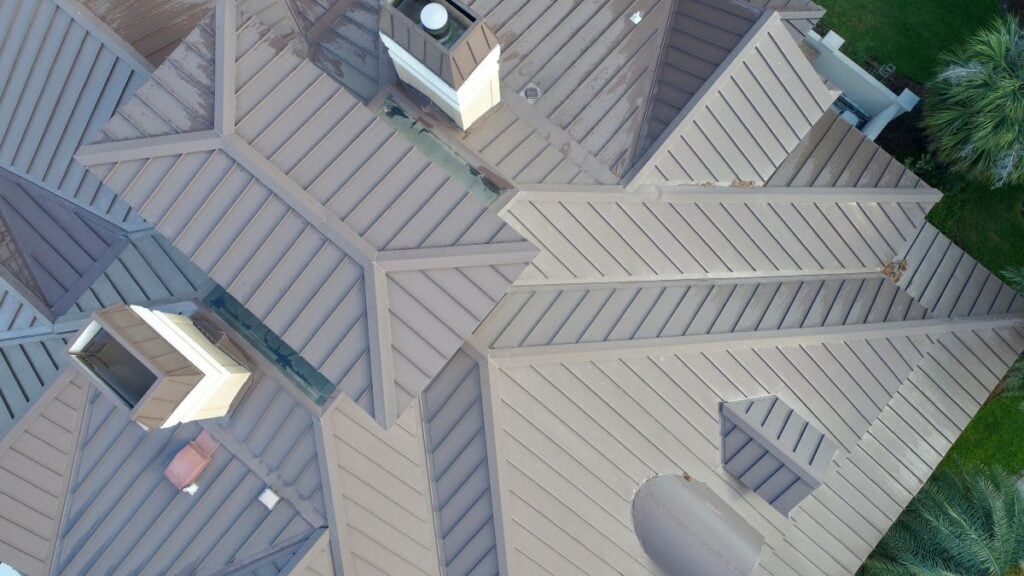
What Is Oil Canning?
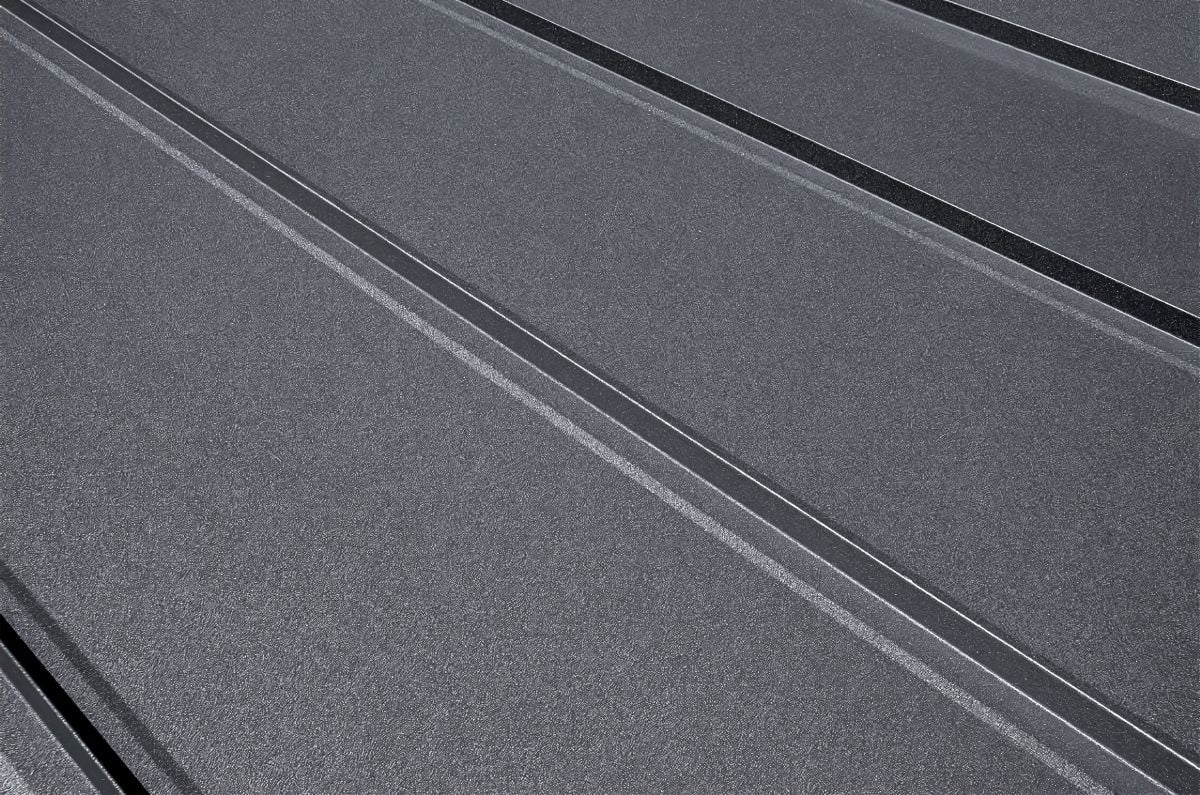
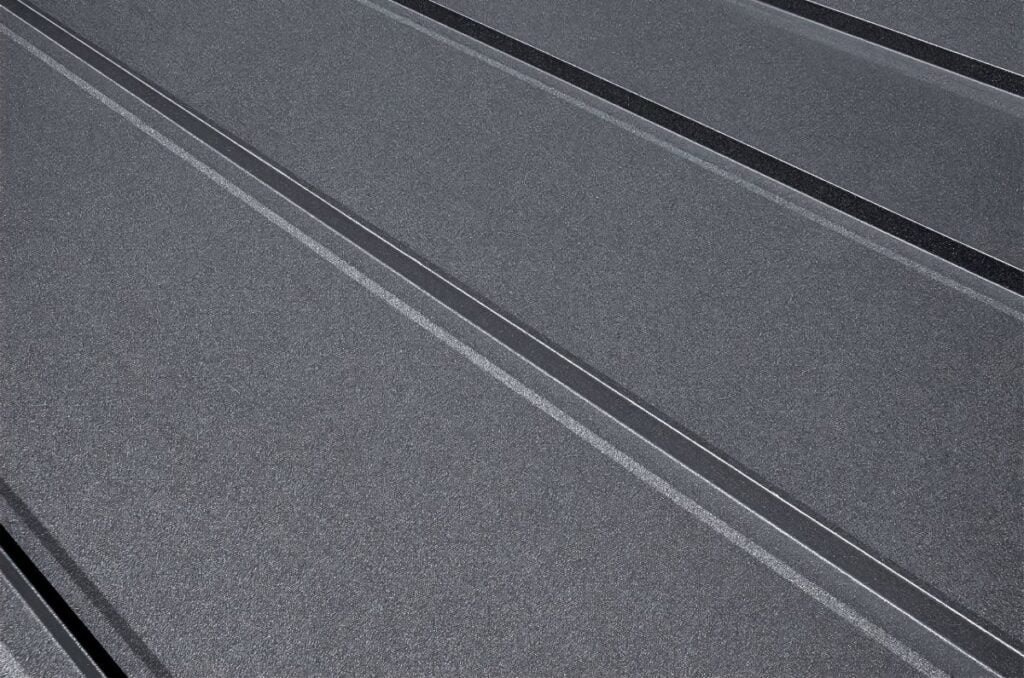
Oil canning is a visible waviness or buckling in flat areas of metal panels. It’s most common in standing seam and flat-profile systems where the panels span long distances. The effect appears as subtle ripples that reflect light unevenly across the surface, often more noticeable on smooth or reflective finishes.
In Papillion and surrounding areas, where temperature swings and strong sun exposure are common, oil canning can appear more pronounced due to metal expansion and contraction. While primarily cosmetic, it’s still a concern for building owners who value a sleek, uniform roof appearance.
Why It Happens
Oil canning typically occurs when stress is introduced into the metal panels during production, handling, or installation. Even minor imperfections in the substrate or fastener alignment can create visible distortions once panels expand under heat.
Fortunately, the right materials, installation techniques, and panel designs can significantly reduce the likelihood of oil canning.
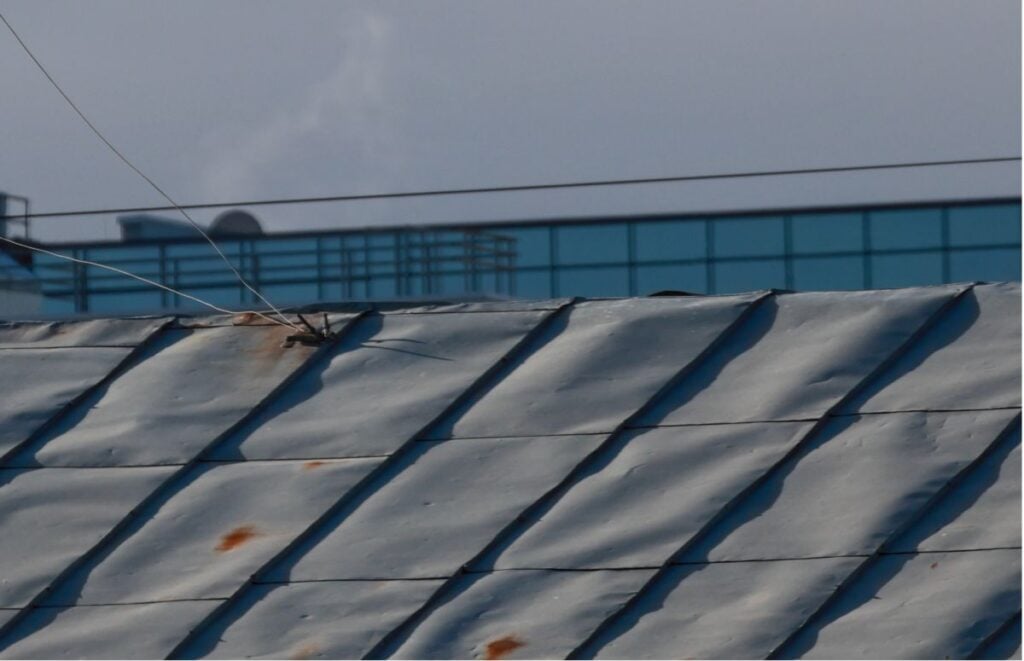
6 Common Causes of Oil Canning in Metal Roofs
Each of the following factors can contribute to oil canning, either individually or in combination. Understanding them can help you prevent or correct the issue effectively.
1. Thermal Expansion and Contraction
Metal naturally expands when heated and contracts as temperatures drop. Without room to move, panels can warp or distort as they push against fasteners or neighboring panels.
- Cause: Lack of proper movement allowance in panel design or clip spacing.
- Fix: Use floating clips or slotted fasteners that allow for natural thermal expansion.
2. Improper Panel Installation
Incorrect fastening techniques or uneven clip placement can introduce tension across the panel surface. This mechanical stress often results in visible buckling or rippling once the roof heats up.
- Cause: Over-tightened fasteners or misaligned panels.
- Fix: Follow manufacturer installation guidelines and avoid over-torquing screws. Panels should be installed with precise alignment and spacing to ensure uniform stress distribution.
3. Uneven or Warped Roof Decking
If the roof deck is uneven or warped, metal panels will conform to the surface below, leading to visible distortion. Even small dips or ridges can amplify the appearance of oil canning once the panels expand.
- Cause: Inconsistent decking thickness, warping, or improper framing support.
- Fix: Inspect and level the roof deck before installation. Shimming low areas and using a solid substrate help maintain smooth panel surfaces.
4. Panel Profile and Width
Wide, flat panels are more susceptible to oil canning because they have fewer structural ridges or corrugations to hide distortion. The flatter the surface, the more noticeable any irregularities become.
- Cause: Large, flat panel designs lacking reinforcement.
- Fix: Choose narrower panels or those with minor ribs, striations, or bead stiffening to reduce visual distortion.
5. Handling and Storage Damage
Metal panels that are mishandled during shipping or storage can develop micro-bends or dents before installation. These small imperfections become visible once installed and exposed to heat.
- Cause: Rough handling, stacking panels unevenly, or bending during transport.
- Fix: Always store panels on a flat surface, handle them carefully, and inspect for damage before installation.
6. Substrate or Structural Movement
Building movement or shifting caused by settling, wind, or temperature changes can stress the metal panels over time. As the substrate flexes, it transfers stress to the roofing system, which may show up as oil canning.
- Cause: Structural flexing or inadequate substrate support.
- Fix: Use proper underlayment and secure framing to ensure even panel support. Expansion joints may also help on large commercial buildings.
How to Prevent Oil Canning in New Installations
Preventing oil canning begins long before the panels are installed. Attention to material selection, layout, and installation details makes all the difference.
- Select Heavier Gauge Panels: Thicker metal is less prone to visible distortion.
- Use Textured Finishes: Matte or embossed finishes reduce glare and hide imperfections.
- Add Panel Stiffening Features: Striations, ribs, or bead stiffeners help maintain panel rigidity.
- Install Properly Aligned Clips: Floating clip systems allow controlled expansion and contraction.
- Level the Decking Surface: Ensure a flat, uniform substrate before installation.
These steps minimize tension and ensure your roof maintains a smooth, professional appearance for years to come.
Can Oil Canning Be Fixed After Installation?
While it’s difficult to eliminate oil canning completely once panels are installed, there are a few steps that can help minimize its visibility:
- Relieve Panel Stress: Loosen overly tight fasteners and ensure proper clip movement.
- Add Shading or Textured Finishes: New coatings or finishes can reduce reflection and make waviness less noticeable.
- Replace Severely Affected Panels: For severe distortion, replacing affected panels may be the best option.
Working with an experienced roofing professional ensures these adjustments are done safely and effectively without damaging the roof’s integrity.
Why Oil Canning Is More Common in Nebraska
Nebraska’s climate plays a big role in metal roof movement. Hot summers, freezing winters, and rapid temperature shifts can cause frequent expansion and contraction cycles. Over time, this movement adds stress to metal panels, especially on larger commercial or low-slope roofs.
For homeowners and businesses in Papillion and surrounding areas, regular inspections and preventive design strategies are key to keeping metal roofs performing—and looking—their best.
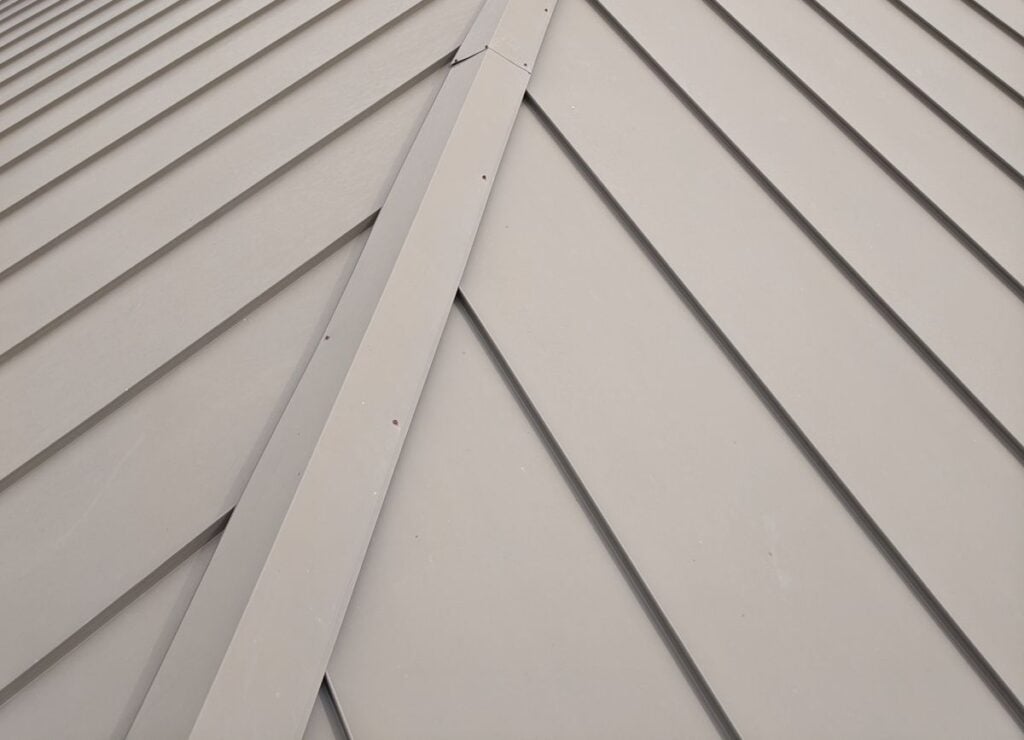
Prevent Oil Canning With Proper Planning and Installation
While oil canning in metal roofs is a common occurrence, it’s rarely a sign of failure. Most cases can be prevented, or at least minimized, through careful design, precise installation, and quality materials. By understanding the causes and taking preventive action, you can maintain both durability and visual appeal.
If you’re planning a new metal roof or need professional guidance on preventing oil canning in Papillion and surrounding areas, J-Tech Construction & Solar can help.
Contact J-Tech Construction & Solar today for a free estimate and expert advice on metal roofing systems designed for performance, longevity, and flawless appearance.