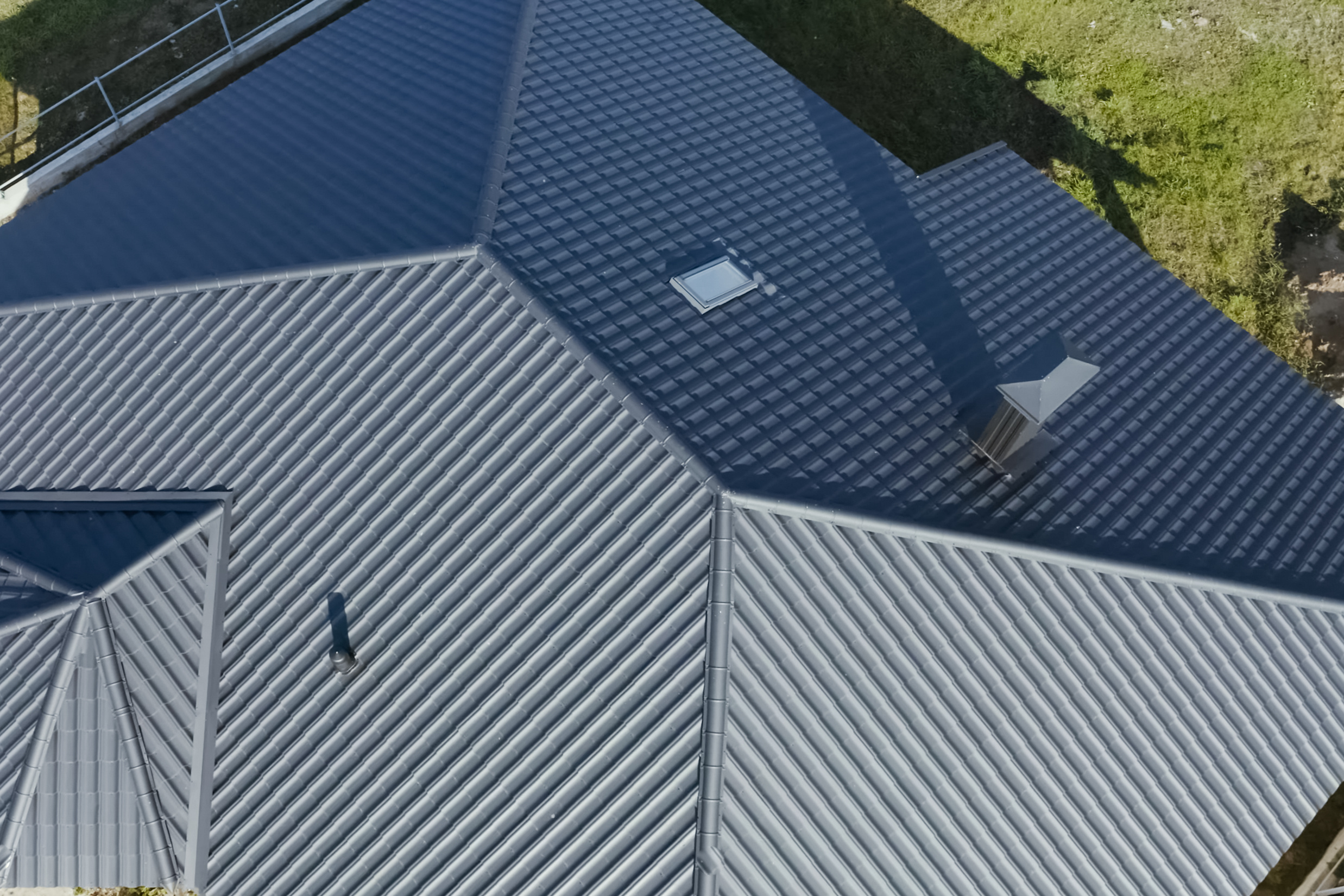
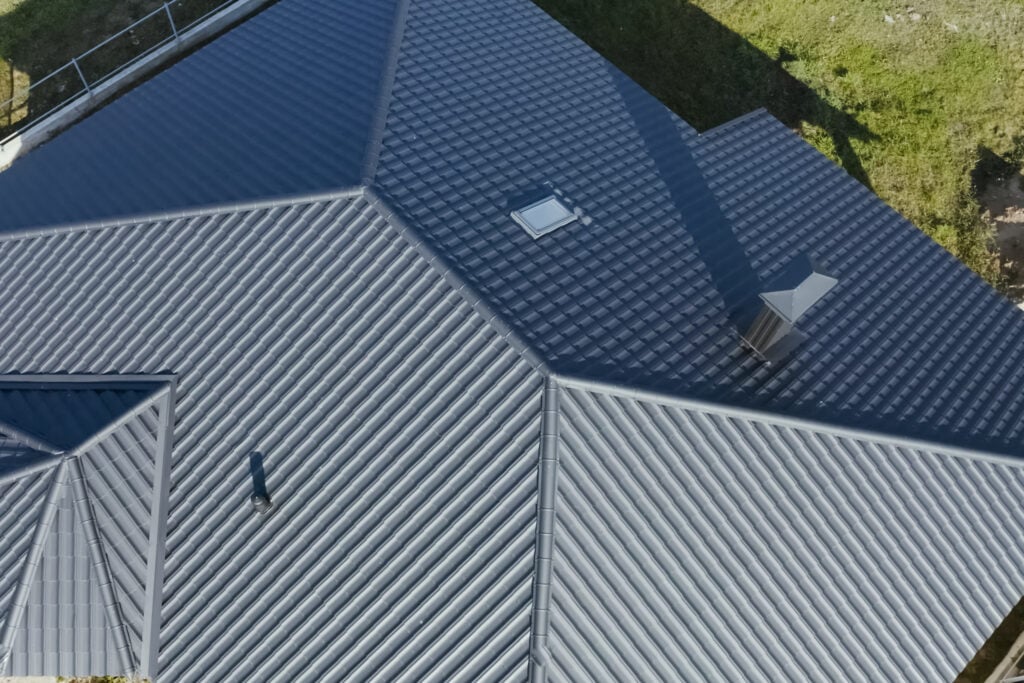
If you’ve recently installed a new roof or are planning to upgrade, understanding your metal roof warranty is one of the most important steps in protecting your investment. Metal roofs are known for their strength and longevity, but even the highest-quality systems depend on proper installation and clear warranty coverage. For homeowners in Kearney and surrounding areas, knowing what your warranty includes, and what it doesn’t, ensures peace of mind for years to come.
- Protection: Covers defects in materials or workmanship depending on the manufacturer and installer.
- Longevity: Warranty terms often match the roof’s 40–50-year expected lifespan.
- Value: Transferable warranties can increase home resale appeal.
Why Metal Roof Warranties Matter

A metal roof represents a long-term investment that can protect your home for decades. While the material itself is durable, small issues such as coating failures, installation errors, or corrosion can arise over time. A strong warranty ensures that if a problem occurs due to manufacturing or workmanship issues, you won’t bear the full cost of repair or replacement.
For homeowners in Kearney and surrounding areas, this protection is especially valuable. Nebraska’s weather—ranging from intense summer heat to hail and snow—tests every roof system, and warranty coverage can make a big difference in your overall maintenance budget.
Types of Metal Roof Warranties
Most metal roof warranties fall into one of two categories: manufacturer warranties and workmanship warranties. Understanding the difference helps you know exactly who to contact if issues arise.
Manufacturer Warranty
A manufacturer warranty covers defects in the roofing materials themselves—such as premature corrosion, coating failure, or color fading. These warranties vary by product line and coating type but typically last 20–50 years.
- Paint or Finish Warranty: Covers chalking, fading, or peeling of factory-applied coatings like PVDF or SMP finishes.
- Material Warranty: Protects against structural failures due to defects in the metal itself.
- Edge Rust Protection: Some manufacturers include coverage for cut edges where corrosion may begin.
Workmanship Warranty
This warranty comes directly from the installer and covers issues related to improper installation or sealing. It’s typically shorter than manufacturer coverage, lasting anywhere from 1 to 10 years, but it’s crucial for preventing leaks and performance issues.
- Coverage: Applies to installation-related defects, like improper fastening or flashing errors.
- Exclusions: Usually doesn’t cover material defects or damage caused by external factors such as storms.
4 Key Factors That Affect Metal Roof Warranty Coverage
Not all warranties are the same—understanding the details before you sign can prevent costly surprises later.
1. Type of Metal and Coating
Higher-end materials like Galvalume or aluminum often come with longer warranties than standard galvanized steel. Coatings such as PVDF (Kynar 500®) also extend coverage for color retention and corrosion resistance.
2. Installation Standards
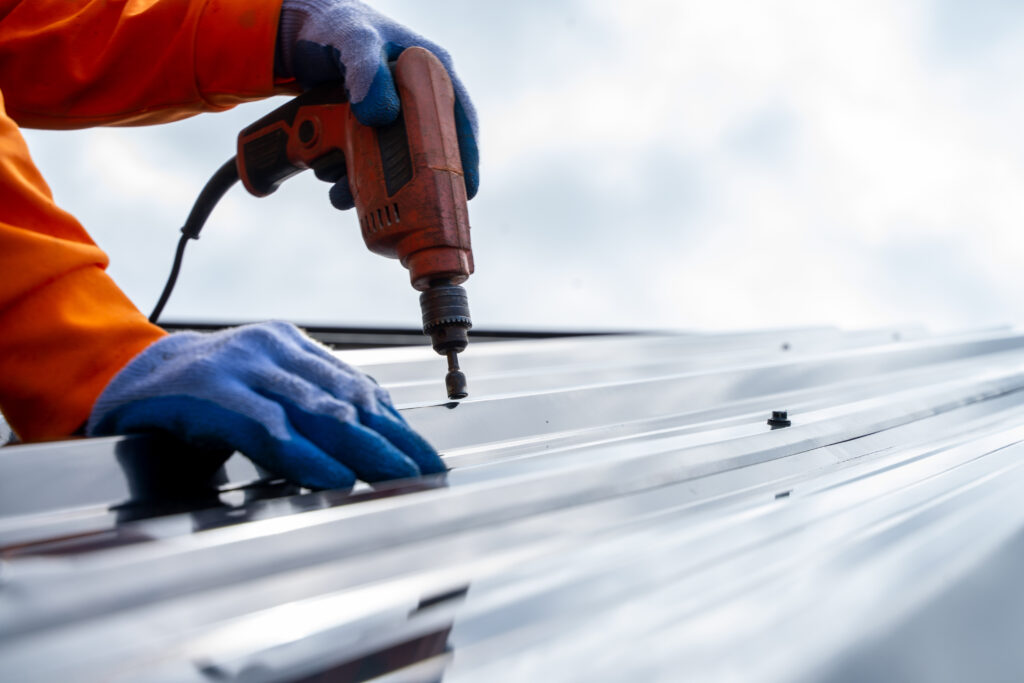
Manufacturers typically require installation to follow strict guidelines. If your roof isn’t installed according to specifications, warranty claims could be denied. That’s why hiring a reputable, experienced roofing company is essential.
3. Maintenance Requirements
Most warranties require basic upkeep to remain valid. This includes cleaning debris, inspecting sealant, and addressing minor issues before they worsen. Keeping maintenance records can help prove compliance if you ever need to file a claim.
4. Location and Environment
Regions with heavy snow, salt exposure, or extreme temperature swings may have different warranty terms. Always check for environmental exclusions before finalizing your purchase.
Common Warranty Exclusions
While metal roof warranties provide strong protection, they don’t cover every situation. Being aware of exclusions helps homeowners avoid misunderstandings.
- Storm or Hail Damage: Covered by homeowner’s insurance, not manufacturer warranties.
- Improper Installation or Alterations: Repairs by unqualified contractors can void coverage.
- Neglect or Lack of Maintenance: Failing to clean gutters, remove debris, or check fasteners may nullify the warranty.
- Foot Traffic or Abuse: Damage from walking on panels or installing rooftop equipment often isn’t included.
- Acts of Nature: Events like earthquakes or tornadoes fall outside manufacturer coverage.
How to Register and Maintain Your Metal Roof Warranty
Proper registration and documentation are essential for activating and keeping your warranty valid.
- Confirm Eligibility: Ensure your roof meets all manufacturer and installer requirements.
- Register Promptly: Most manufacturers require warranty registration within 30–90 days of installation.
- Keep Records: Store your warranty certificate, invoices, and maintenance logs safely.
- Schedule Annual Inspections: Regular professional evaluations help maintain compliance.
- Report Issues Immediately: Notify your installer or manufacturer as soon as problems appear.
Average Warranty Lengths by Material Type
| Metal Type | Typical Material Warranty | Paint/Finish Warranty | Workmanship Warranty |
| Galvalume Steel | 40–60 years | 20–35 years | 1–10 years |
| Aluminum | 40–50 years | 25–40 years | 1–10 years |
| Copper or Zinc | Up to 100 years | N/A (uncoated) | 1–10 years |
| Corrugated Steel | 25–40 years | 15–25 years | 1–5 years |
This table shows that even within the same roofing category, warranty coverage can vary based on product type and finish quality.
How to File a Metal Roof Warranty Claim
If you notice an issue covered by your warranty, follow these steps to ensure a smooth claims process:
- Review Warranty Terms: Confirm that the problem falls under the covered categories.
- Gather Documentation: Include your warranty certificate, proof of purchase, and maintenance records.
- Contact the Installer or Manufacturer: Reach out to the appropriate party depending on the type of issue (material vs. workmanship).
- Schedule Inspection: Most companies will send a representative to evaluate the claim.
- Receive Resolution: If approved, repairs or replacements are handled according to the warranty terms.
Tips to Maximize Your Metal Roof Warranty Value
To ensure your roof stays covered and performs at its best:
- Choose a reputable roofing contractor with experience in metal installations.
- Document all maintenance with dates, photos, and inspection notes.
- Avoid unapproved modifications, such as drilling or attaching new equipment.
- Clean debris regularly to prevent corrosion or water pooling.
- Store warranty paperwork safely and transfer it if you sell your home.
Protect Your Investment With Knowledge
A metal roof warranty is more than paperwork—it’s peace of mind that your roof will stand the test of time. Understanding your warranty’s terms, exclusions, and maintenance requirements ensures you get the full benefit of your investment.
For homeowners in Kearney and surrounding areas, J-Tech Construction & Solar can help you select the right metal roofing system, explain warranty options clearly, and ensure expert installation for long-term protection.
Contact J-Tech Construction & Solar today for a free estimate and learn how a properly installed, warrantied metal roof can safeguard your home for decades to come.