
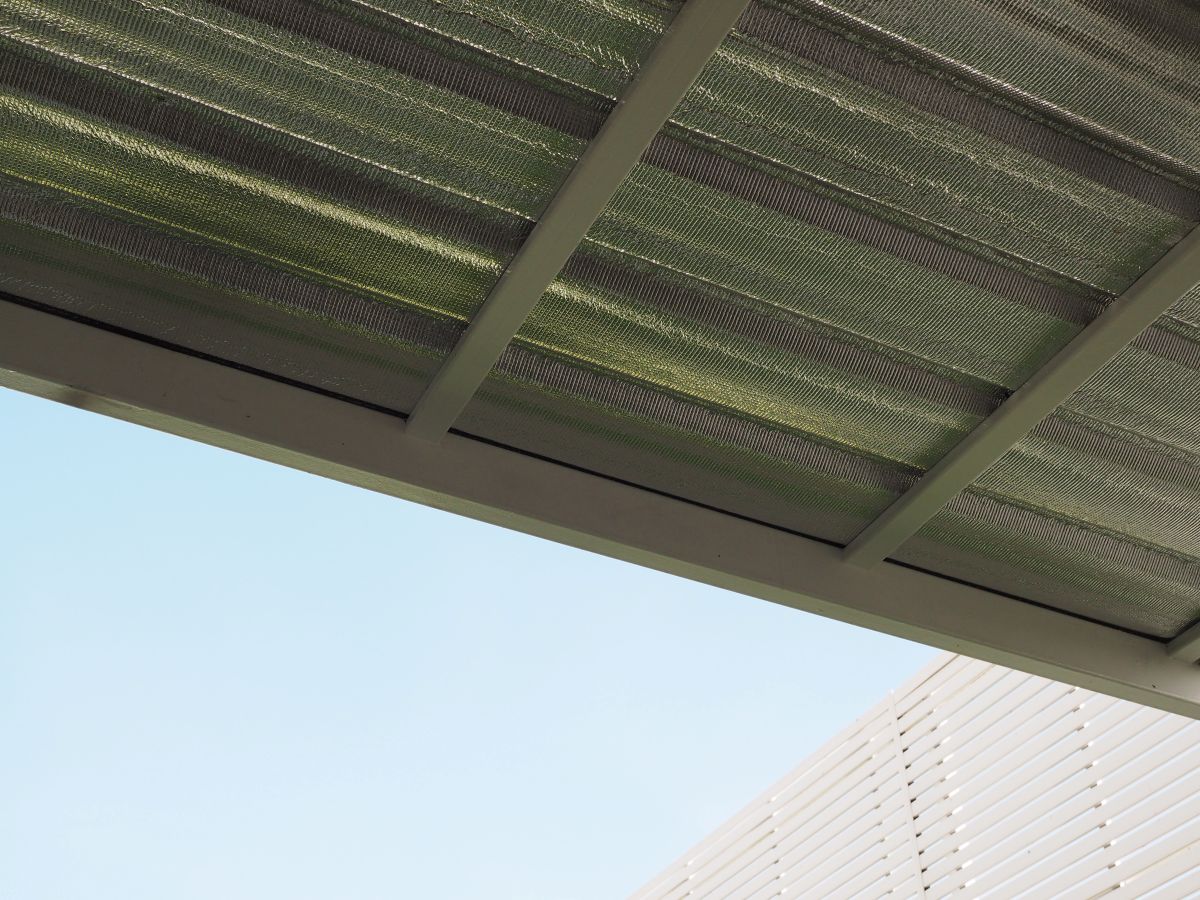
A metal roof vapor barrier is a critical component in modern roofing systems, helping to control moisture, protect insulation, and extend the lifespan of your roof. Whether you own a residential or commercial property, understanding how a vapor barrier works can prevent costly issues such as condensation buildup, mold growth, and structural damage. For property owners in Omaha and surrounding areas, where temperature swings and humidity levels vary throughout the year, installing a proper vapor barrier is essential for long-term roof performance and energy efficiency.
- Moisture Control: Prevents condensation from damaging insulation and structural components.
- Energy Efficiency: Helps maintain consistent indoor temperatures and reduce utility costs.
- Long-Term Protection: Extends the lifespan of your metal roofing system.
What Is a Metal Roof Vapor Barrier?
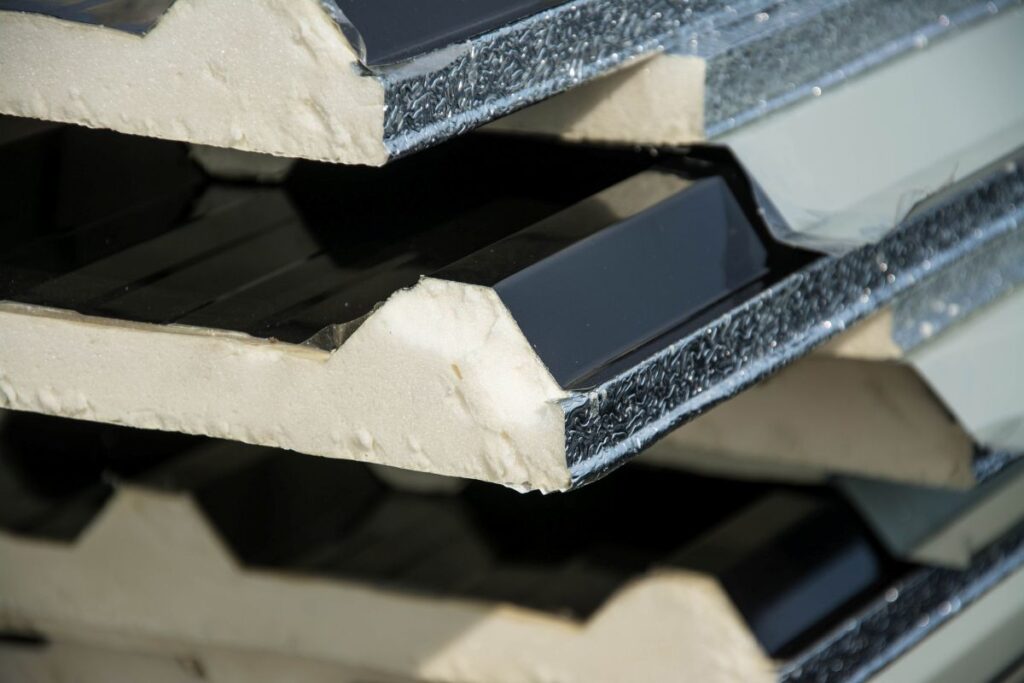
A metal roof vapor barrier is a moisture-resistant layer installed beneath a metal roofing system to control the movement of water vapor. Typically placed between the roof deck and insulation, or directly beneath the insulation layer, this barrier prevents warm, humid air from condensing on cooler metal surfaces. Without it, moisture buildup can lead to mold growth, corrosion, and structural deterioration.
In Omaha and surrounding areas, the fluctuating temperatures between seasons make vapor barriers especially important. They help maintain a dry roofing assembly, protect indoor air quality, and improve the long-term efficiency of both residential and commercial buildings.
How a Metal Roof Vapor Barrier Works
A vapor barrier functions by limiting the passage of water vapor through the roofing system. Warm air inside a building rises and carries moisture, which can condense when it encounters cooler roof surfaces. The vapor barrier acts as a protective shield, preventing this moisture from penetrating insulation and structural materials.
Proper installation ensures that the barrier integrates seamlessly with insulation, ventilation systems, and roofing components. This balanced approach allows buildings to maintain optimal thermal performance while preventing condensation-related damage.
7 Reasons a Metal Roof Vapor Barrier Matters
Understanding the benefits of a vapor barrier helps property owners make informed decisions when installing or upgrading a metal roof.
1. Prevents Condensation Damage
Condensation can form when warm indoor air meets a cool metal roof surface. Over time, this moisture can cause rust, rot, and deterioration within the roofing system.
- Protects Structural Components: Prevents moisture from damaging roof decking and framing.
- Reduces Corrosion Risk: Limits exposure to water that can lead to rust and deterioration.
- Maintains System Integrity: Ensures long-term durability of the metal roofing assembly.
2. Protects Insulation Performance
Moisture infiltration reduces insulation effectiveness by lowering its R-value. A vapor barrier helps maintain insulation performance, improving overall building efficiency.
- Preserves Thermal Resistance: Keeps insulation dry for maximum performance.
- Improves Indoor Comfort: Helps maintain consistent interior temperatures.
- Supports Energy Efficiency: Reduces heating and cooling demands year-round.
3. Improves Energy Efficiency
A properly installed vapor barrier contributes to a more energy-efficient building by controlling airflow and moisture transfer. This helps regulate indoor temperatures and lowers energy consumption.
- Reduces Heat Loss: Prevents warm air from escaping during colder months.
- Minimizes Cooling Costs: Reflective barriers can reduce solar heat gain.
- Enhances HVAC Efficiency: Supports stable indoor climate conditions.
4. Prevents Mold and Mildew Growth
Excess moisture trapped within roofing materials creates ideal conditions for mold and mildew development. A vapor barrier helps control humidity levels and protect indoor air quality.
- Improves Air Quality: Reduces the risk of mold-related health issues.
- Prevents Structural Damage: Protects wood and insulation from moisture decay.
- Maintains Building Hygiene: Supports a healthier indoor environment.
5. Extends Roof Lifespan
Moisture intrusion can accelerate wear and reduce the lifespan of metal roofing systems. Vapor barriers protect against premature deterioration, ensuring long-term performance.
- Reduces Maintenance Needs: Minimizes the likelihood of costly repairs.
- Enhances Durability: Protects roofing materials from moisture-related damage.
- Supports Longevity: Helps the roof reach its full service life.
6. Enhances Structural Integrity
A vapor barrier prevents moisture from penetrating structural components, preserving the strength and stability of the building. This added protection is especially important in areas with extreme temperature variations.
- Prevents Wood Rot: Protects decking and framing from moisture damage.
- Supports Load-Bearing Capacity: Maintains structural stability over time.
- Improves Building Durability: Reinforces overall roof system performance.
7. Supports Building Code Compliance
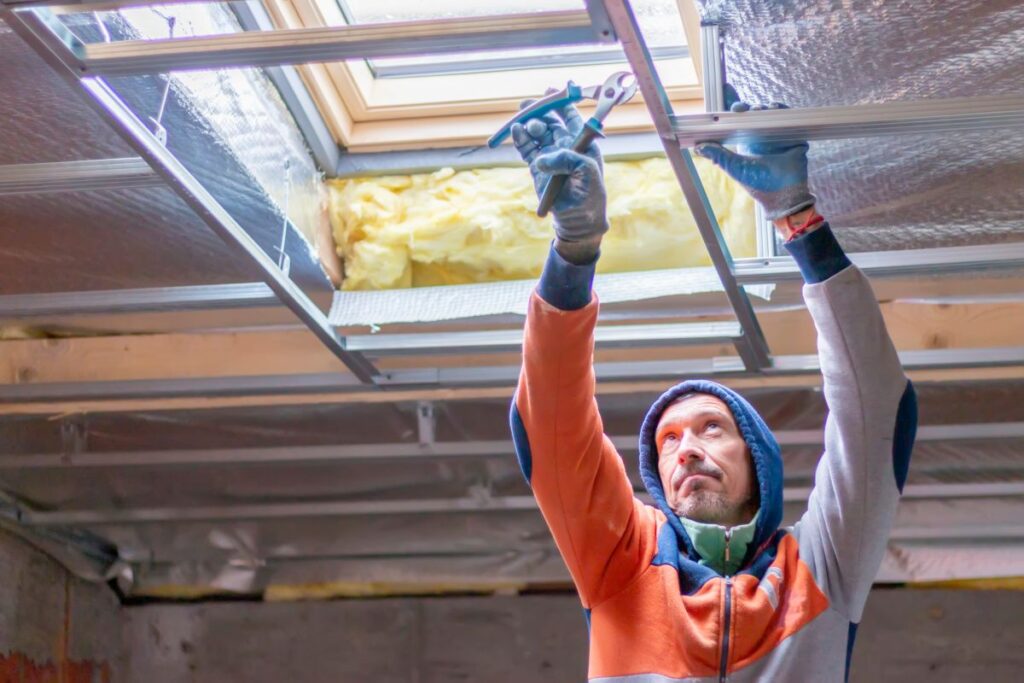
Modern building codes often require vapor barriers in certain roofing assemblies to ensure proper moisture control and energy performance. Installing a vapor barrier helps meet these standards.
- Meets Energy Regulations: Supports compliance with insulation and energy efficiency codes.
- Ensures Proper Installation Standards: Aligns with industry best practices.
- Protects Property Value: Demonstrates adherence to construction guidelines.
Types of Metal Roof Vapor Barriers
Several vapor barrier materials are available, each designed to meet specific roofing and environmental requirements.
Polyethylene Sheets
Polyethylene vapor barriers are widely used due to their affordability and strong moisture resistance. These sheets provide reliable protection for both residential and commercial roofing applications.
- Cost-Effective: Ideal for budget-conscious projects.
- Moisture Resistant: Provides reliable vapor protection.
- Versatile Application: Suitable for various roofing assemblies.
Foil-Faced Membranes
Foil-faced vapor barriers combine moisture resistance with reflective thermal performance, making them ideal for energy-efficient roofing systems.
- Reflective Properties: Reduces heat transfer and improves energy efficiency.
- Durable Construction: Offers long-lasting moisture protection.
- Enhanced Thermal Performance: Supports temperature regulation.
Self-Adhering Membranes
Self-adhering vapor barriers offer superior sealing and easy installation. These membranes create a tight bond with the roof deck, preventing air and moisture infiltration.
- Easy Installation: Simplifies the installation process.
- Strong Adhesion: Provides reliable sealing around penetrations.
- High Performance: Ideal for complex roofing systems.
Installation Tips for Metal Roof Vapor Barriers
Proper installation is essential for maximizing the effectiveness of a vapor barrier and ensuring long-term performance.
Ensure Correct Placement
The vapor barrier should be installed on the warm side of the insulation in most metal roofing assemblies. Proper placement prevents warm, moist air from reaching cooler surfaces where condensation can form.
- Prevents Moisture Buildup: Reduces the risk of condensation within the roof system.
- Supports Insulation Performance: Enhances thermal efficiency and energy savings.
- Improves System Longevity: Protects structural components from moisture damage.
Seal All Seams and Penetrations
Proper sealing is critical to maintaining the integrity of the vapor barrier. Even small gaps can allow moisture and air to infiltrate the roofing system.
- Ensures Airtight Protection: Prevents vapor from bypassing the barrier.
- Enhances Moisture Control: Reduces the likelihood of leaks and condensation.
- Maintains System Efficiency: Supports long-term roof performance.
Maintain Adequate Ventilation
A balanced roofing system requires both vapor control and proper ventilation. Adequate airflow helps regulate temperature and prevent moisture buildup within the roofing assembly.
- Regulates Indoor Temperature: Supports consistent climate control.
- Prevents Condensation Issues: Enhances moisture management.
- Extends Roof Lifespan: Improves overall system durability.
Common Mistakes to Avoid
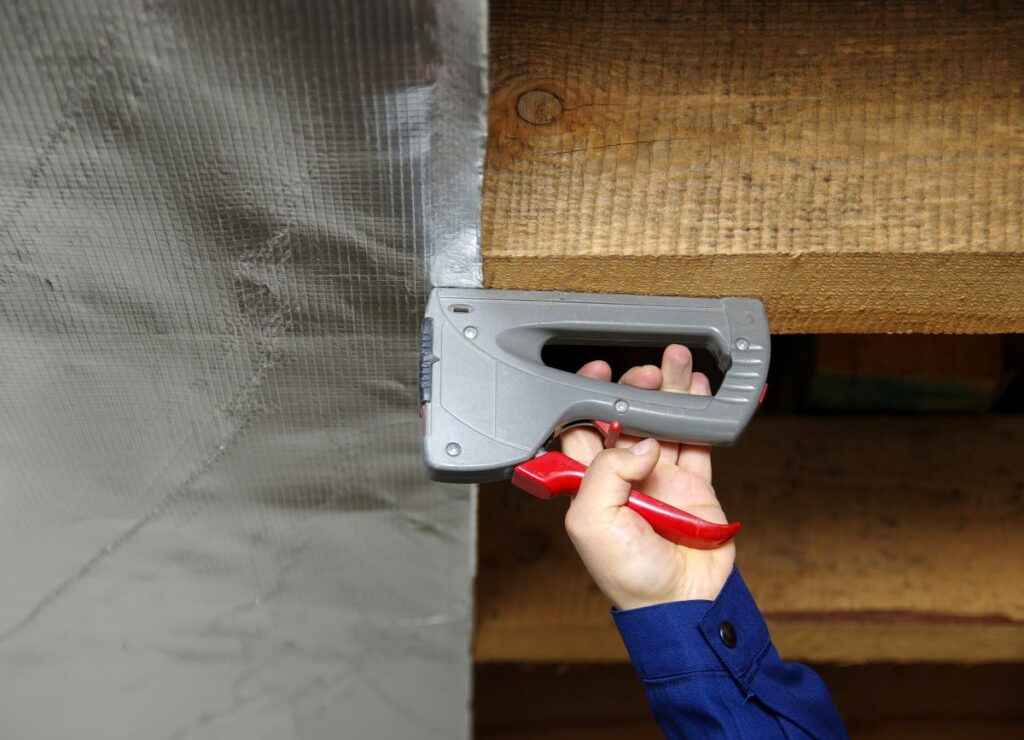
Avoiding common installation mistakes can significantly improve the performance and longevity of your metal roofing system.
- Improper Placement: Installing the vapor barrier on the wrong side of insulation can trap moisture.
- Poor Sealing Practices: Unsealed seams allow moisture to penetrate the roofing assembly.
- Ignoring Climate Conditions: Vapor barrier selection should match regional temperature and humidity levels.
- Skipping Professional Installation: Improper installation can reduce effectiveness and lead to premature failure.
Protect Your Roof With a Properly Installed Vapor Barrier
A metal roof vapor barrier is a vital element in ensuring your roofing system performs efficiently and lasts for decades. By preventing moisture intrusion, improving energy efficiency, and protecting structural components, vapor barriers provide long-term value for both residential and commercial properties.
For property owners in Omaha and surrounding areas, J-Tech Construction & Solar delivers expert metal roofing solutions designed to withstand Nebraska’s challenging climate. Our experienced team ensures precise installation and reliable performance, helping you protect your investment and improve your building’s efficiency.
Contact J-Tech Construction & Solar today for a free estimate and discover how a professionally installed metal roof vapor barrier can enhance your roofing system’s durability and performance.