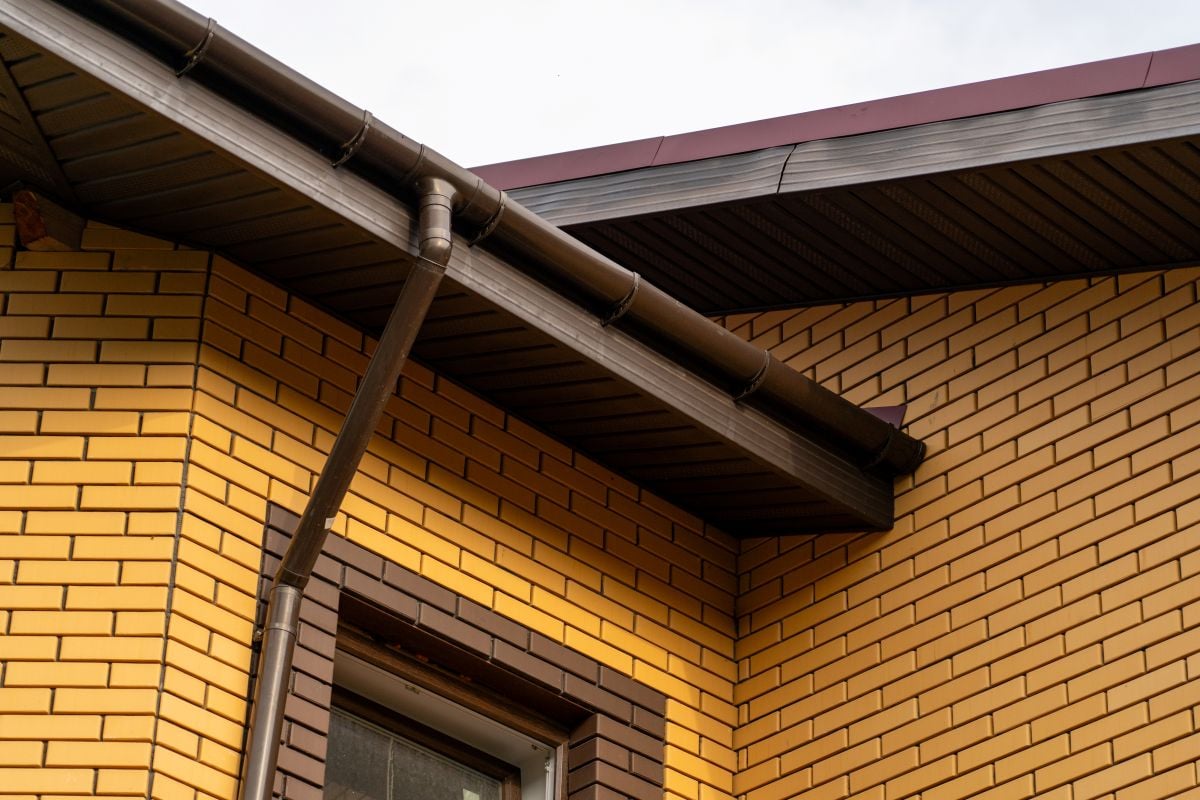
Understanding metal roof trim is essential for achieving a polished, weather-tight, and professional-looking roofing system. Metal roof trim not only enhances the visual appeal of your roof but also protects vulnerable edges, seams, and transitions from moisture, wind, and debris. For homeowners in Omaha and surrounding areas, selecting the right trim components ensures long-lasting performance and a clean architectural finish in Nebraska’s demanding climate.
- Protection: Trim pieces seal edges and joints to prevent leaks and weather damage.
- Aesthetic Appeal: Proper trim creates sharp lines and a cohesive roof design.
- Durability: High-quality trim extends the lifespan of your metal roofing system.
Why Metal Roof Trim Is Essential
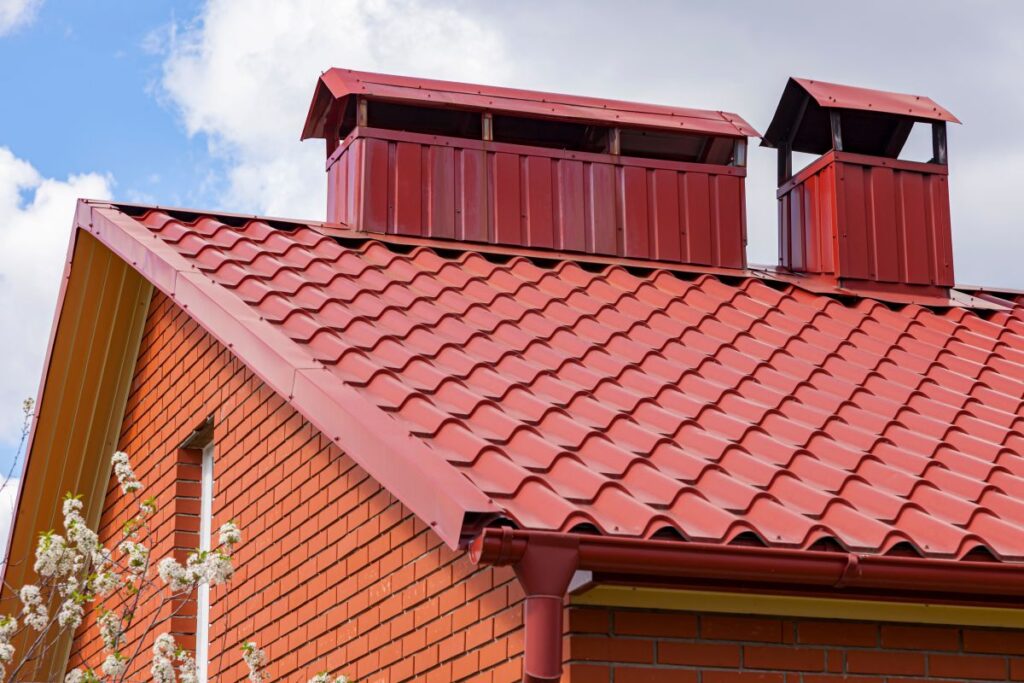
Metal roofing systems rely on precision detailing to maintain structural integrity and weather resistance. Trim components are designed to cover exposed edges, reinforce seams, and guide water away from vulnerable areas. Without proper trim installation, even a high-quality metal roof can experience premature wear, leaks, or wind-related damage.
In Omaha and surrounding areas, where roofs must endure snow, ice, hail, and strong winds, metal roof trim plays a critical role in protecting your investment. Properly installed trim enhances both performance and curb appeal, ensuring your roof looks clean and functions efficiently for decades.
6 Types of Metal Roof Trim
Each trim piece serves a specific purpose in the overall roofing system. Understanding these components helps homeowners and property owners ensure a complete and effective installation.
1. Ridge Cap Trim
Ridge cap trim is installed along the peak of the roof where two roof panels meet. It provides a watertight seal while allowing proper ventilation when paired with ridge vents.
- Primary Function: Covers the roof ridge and prevents water intrusion.
- Ventilation Support: Works with ridge vent systems to improve attic airflow.
- Design Impact: Creates a clean, finished appearance at the roof’s highest point.
2. Eave Trim
Eave trim is installed along the lower edge of the roof where panels meet the fascia. It directs water into the gutter system and protects the roof deck from moisture.
- Water Control: Guides runoff safely into gutters and downspouts.
- Edge Protection: Prevents water infiltration at the roof’s lower edge.
- Structural Support: Reinforces panel alignment during installation.
3. Gable Trim (Rake Trim)
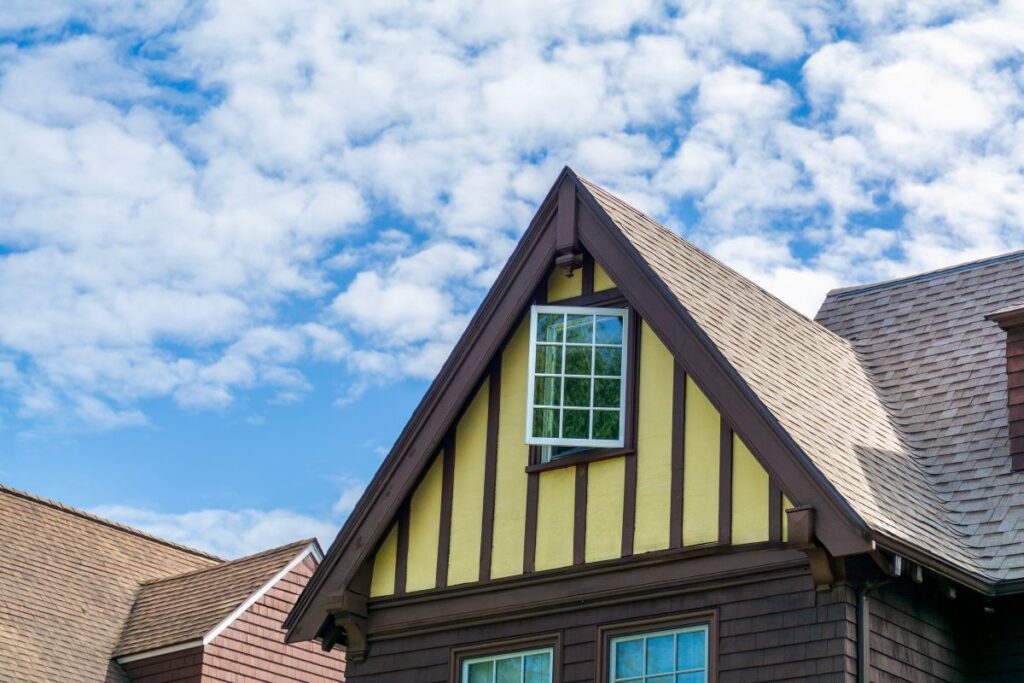
Gable trim, also known as rake trim, is installed along the sloped edges of a roof. It covers exposed panel edges and protects against wind-driven rain and debris.
- Weather Protection: Shields roof edges from moisture and wind uplift.
- Aesthetic Finish: Provides a crisp, clean edge along gable ends.
- Durability: Helps maintain panel stability during severe weather.
4. Valley Trim
Valley trim is used where two roof slopes meet to form a valley. This area is particularly vulnerable to water accumulation, making proper trim installation essential.
- Water Management: Channels water efficiently down the roof.
- Leak Prevention: Provides added protection in high-flow areas.
- Structural Integrity: Reinforces one of the most critical roof transitions.
5. Sidewall Trim
Sidewall trim is installed where the roof meets a vertical wall, such as a dormer or upper story. It prevents water from seeping into the building at roof-to-wall intersections.
- Seam Protection: Creates a watertight seal at vertical transitions.
- Moisture Control: Prevents leaks in areas prone to water runoff.
- Clean Detailing: Ensures a professional and seamless appearance.
6. Endwall Trim
Endwall trim is used where the metal roof meets a vertical wall at the top of a slope. It directs water away from the wall and prevents infiltration behind the panels.
- Leak Prevention: Seals the junction between roof panels and walls.
- Water Diversion: Channels runoff safely down the roof surface.
- Enhanced Protection: Reinforces vulnerable transition points.
Additional Metal Roof Trim Components
Beyond the primary trim types, several additional accessories contribute to a fully integrated roofing system.
- Drip Edge Trim: Provides extra protection along roof edges and supports water drainage.
- Transition Flashing: Used where roof slopes change direction.
- Closure Strips: Seal gaps between trim and metal panels to block moisture and pests.
- Snow Guards: Often installed alongside trim components to manage snow retention and prevent sudden sliding.
These accessories enhance the functionality and durability of metal roofing systems, especially in regions with heavy snowfall like Nebraska.
Benefits of Proper Metal Roof Trim Installation
High-quality metal roof trim offers numerous advantages for homeowners and property owners seeking long-term performance.
- Improved Weather Resistance: Proper trim installation prevents water intrusion and wind damage.
- Extended Roof Lifespan: Protects vulnerable areas from premature wear and corrosion.
- Enhanced Curb Appeal: Clean lines and seamless transitions create a professional finish.
- Reduced Maintenance Needs: Well-installed trim minimizes the risk of leaks and structural issues.
In Omaha and surrounding areas, these benefits are especially valuable given the region’s fluctuating weather conditions and seasonal storms.
Choosing the Right Metal Roof Trim for Your Project
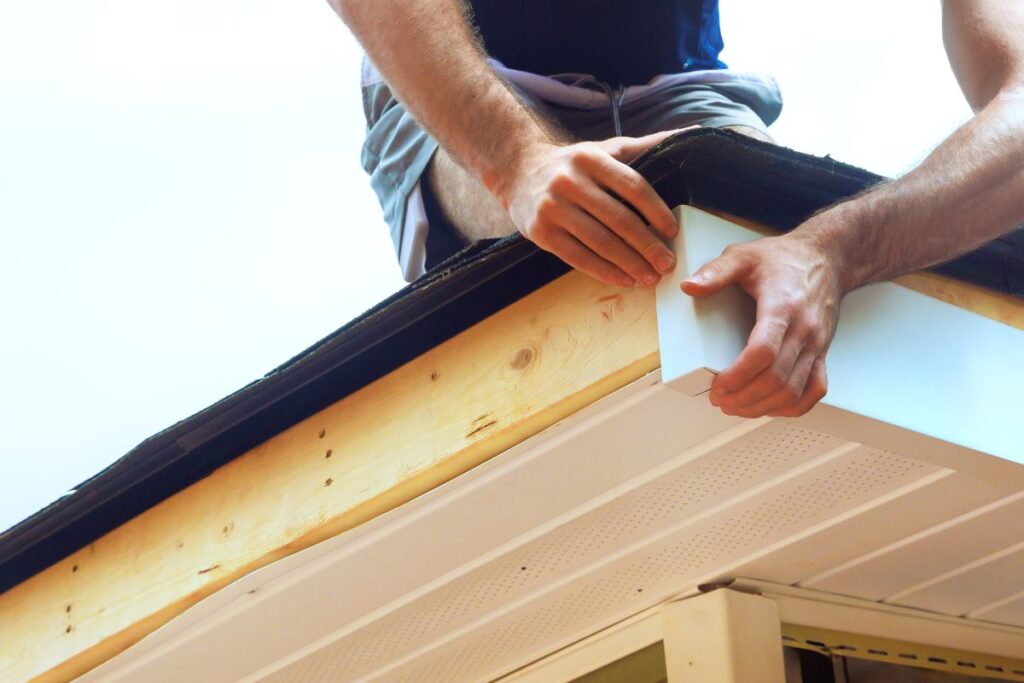
Selecting the correct trim components depends on your roof design, panel type, and building structure. Working with experienced professionals ensures proper measurements, material compatibility, and precise installation.
Key considerations include:
- Material Compatibility: Trim should match the metal roofing system to ensure durability and corrosion resistance.
- Color Coordination: Matching trim colors enhances the roof’s visual appeal and overall architectural design.
- Roof Geometry: Complex rooflines require additional trim components for proper sealing and drainage.
- Professional Installation: Skilled installers ensure precise alignment and secure fastening for optimal performance.
Proper planning and expert craftsmanship ensure your metal roof trim functions effectively while enhancing your home’s appearance.
Achieve Clean Finishes With Expert Metal Roofing Solutions
Metal roof trim is an essential component of a durable, weather-resistant, and visually appealing roofing system. From ridge caps and eave trim to valley and wall flashing, each piece plays a vital role in protecting your property and delivering a polished finish. Homeowners in Omaha and surrounding areas can benefit from selecting the right trim components to ensure long-term performance and curb appeal.
For professional metal roofing installation and expert detailing, trust J-Tech Construction & Solar to deliver high-quality craftsmanship and reliable service. Contact our team today for a free estimate and discover how properly installed metal roof trim can enhance both the performance and appearance of your roofing system.