
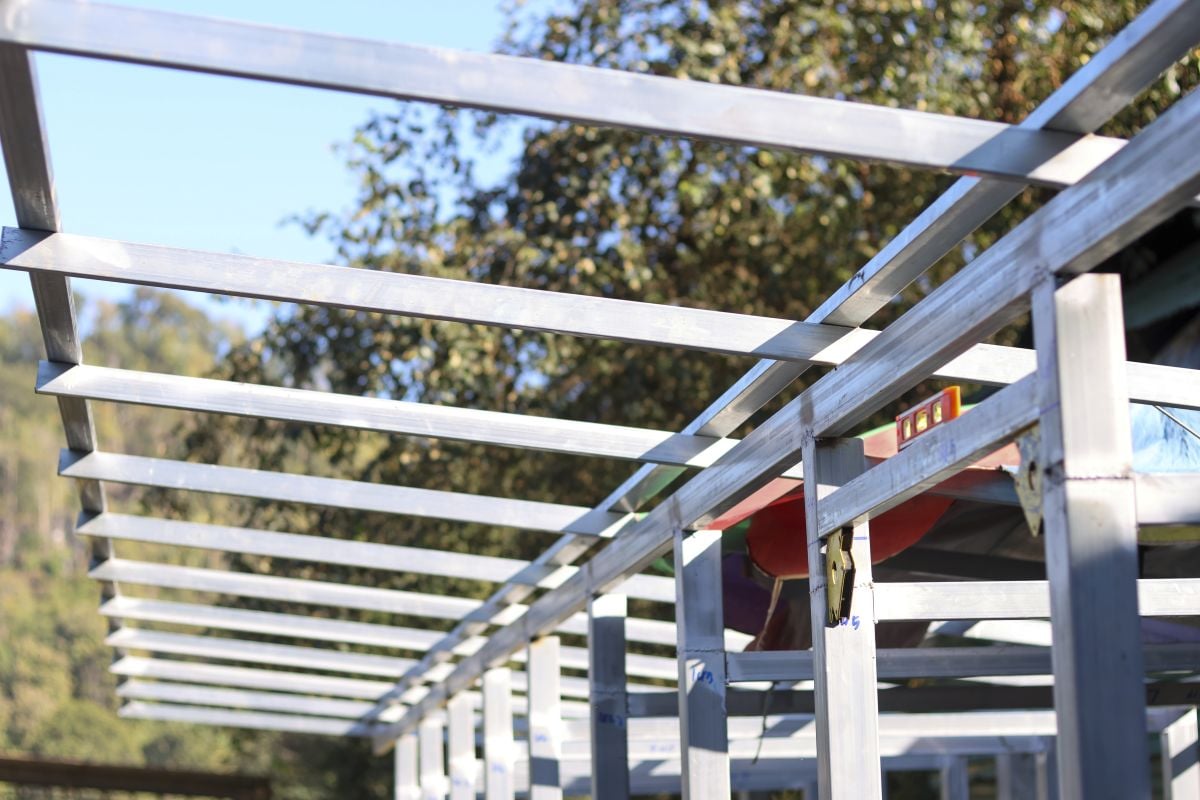
When planning a commercial or residential roofing system, understanding the role of the metal roof deck is essential. This structural component forms the foundation of the roof assembly, supporting insulation, underlayment, and the metal panels above. For property owners in Bellevue and surrounding areas, a well-installed metal roof deck enhances safety, performance, and energy efficiency, making it one of the most critical parts of any durable roof system.
- Structural Support: Provides a stable base for panels and insulation.
- Longevity: Increases roof durability and resistance to weather stress.
- Versatility: Suitable for both commercial and residential applications.
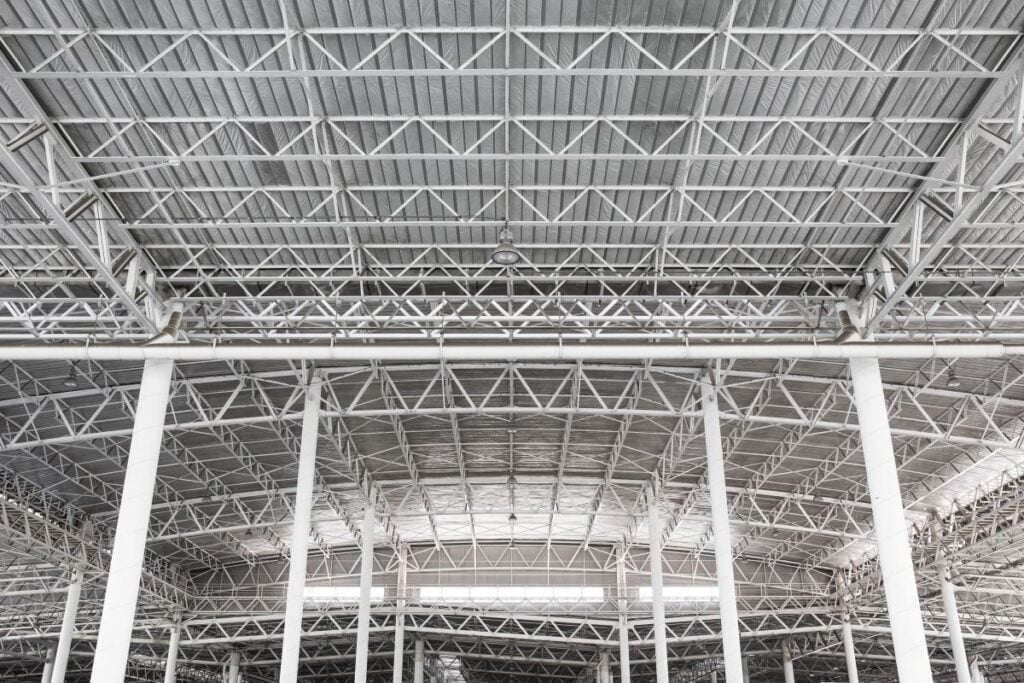
What Is a Metal Roof Deck?
A metal roof deck is a steel substrate that serves as the primary structural layer beneath a roof system. It’s engineered to handle loads from weather, insulation, and mechanical equipment while maintaining structural integrity over time.
In Bellevue and surrounding areas, metal roof decks are widely used in commercial buildings, warehouses, and industrial facilities because of their strength and lightweight design. However, they’re also becoming popular in residential applications for homeowners seeking superior roof performance and fire resistance.
How It Works
The roof deck distributes weight evenly across the roof framing, providing stability and a secure surface for insulation and panels. In metal roofing systems, the deck is often corrugated for additional strength, which helps it resist bending under heavy loads such as snow or equipment.
The combination of structural steel and protective coatings ensures that the deck remains corrosion-resistant and long-lasting, even in harsh weather conditions.
4 Types of Metal Roof Decks
Choosing the right metal roof deck depends on your building’s structure, load requirements, and roof design. Below are the most common types used in 2026.
1. Type B Roof Deck
Type B deck, also known as “wide rib” decking, is the most commonly used profile for metal roofs. It offers a balance between strength, versatility, and ease of installation.
- Profile Depth: 1 ½ inches deep.
- Span Capacity: Supports moderate loads for most commercial applications.
- Best Use: Offices, schools, retail spaces, and residential metal roofs.
2. Type N Roof Deck
Type N deck features a deeper rib design for greater load-carrying capacity. It’s commonly used in large commercial and industrial buildings where long spans and heavy equipment loads are expected.
- Profile Depth: 3 inches deep.
- Span Capacity: Allows longer spacing between supports.
- Best Use: Warehouses, factories, and high-load commercial buildings.
3. Type A Roof Deck
Type A deck has a narrow rib and is typically used in lighter load situations or as a secondary support system beneath insulation.
- Profile Depth: 1 inch deep.
- Span Capacity: Best for short spans and lower loads.
- Best Use: Retrofits, residential garages, or architectural accent structures.
4. Acoustic Metal Deck
Designed with perforations to improve sound absorption, acoustic decks reduce noise transmission through the building envelope.
- Profile Depth: Varies by manufacturer.
- Acoustic Performance: Ideal for schools, theaters, or offices requiring sound control.
- Best Use: Buildings where noise reduction is a priority.
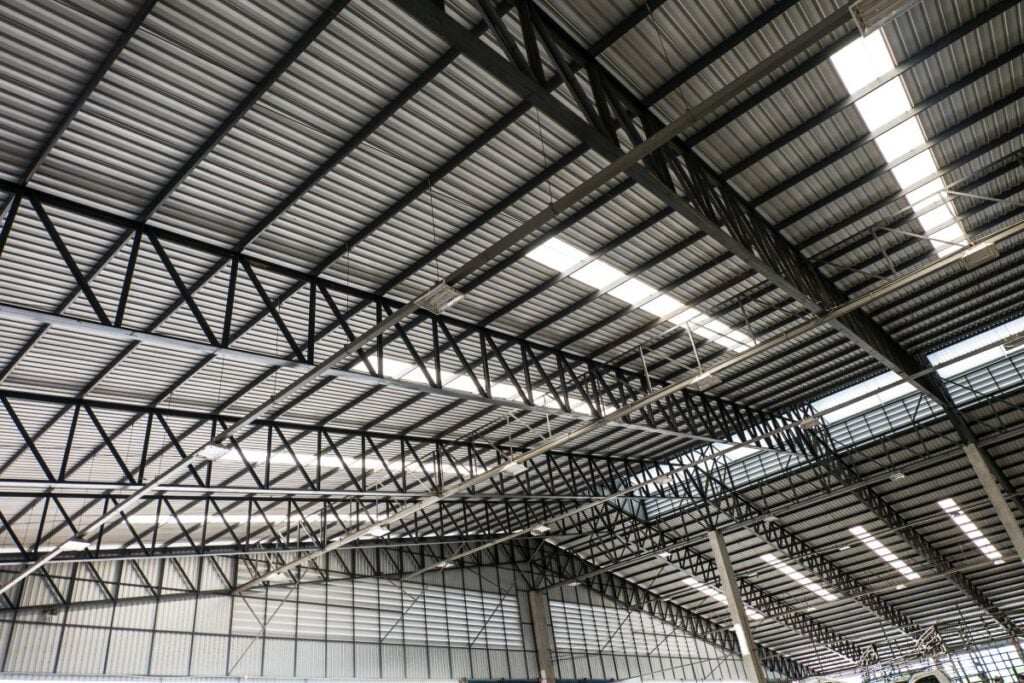
How to Install a Metal Roof Deck
Installing a metal roof deck requires precision and adherence to structural design specifications. Every project begins with a flat, level framing surface and high-quality fasteners.
Before exploring the steps, it’s important to note that professional installation ensures compliance with building codes and safety standards, especially for large or load-bearing roofs.
1. Prepare the Roof Structure
Ensure the underlying support beams and joists are properly aligned and level. Any misalignment can lead to uneven panels and reduced deck performance.
- Inspection: Check for clean, dry, and debris-free surfaces.
- Alignment: Confirm spacing and bracing are within structural design tolerances.
2. Position and Secure the Metal Deck Panels
Lay the panels perpendicular to the supporting joists. Overlap the edges according to manufacturer specifications to create a continuous surface.
- Fastening: Use mechanical fasteners or welds at designated points.
- Spacing: Maintain consistent fastener spacing to ensure load distribution.
- Sealing: Apply sealant or closure strips at side laps for watertight performance.
3. Install Insulation and Underlayment
Once the deck is secure, place insulation directly over it, followed by a vapor barrier or synthetic underlayment.
- Thermal Protection: Helps regulate temperature and prevent condensation.
- Moisture Control: Keeps the structure dry and reduces risk of corrosion.
4. Attach Metal Roofing Panels
After the underlayment is in place, install the metal panels according to the roofing system’s design—either standing seam or exposed fastener.
- Panel Alignment: Keep seams straight for consistent water flow.
- Clip Installation: Use proper clips to accommodate expansion and contraction.
Benefits of a Metal Roof Deck
A well-installed metal roof deck offers long-term structural and energy-saving benefits for both homes and businesses.
- Superior Strength: Steel decking provides exceptional load-bearing capacity, making it suitable for heavy-duty applications. It can support rooftop equipment, solar arrays, or snow accumulation without compromising performance.
- Lightweight and Efficient: Despite its strength, metal decking is lighter than concrete or wood, which simplifies transportation and installation while reducing overall building weight.
- Fire Resistance: Metal decks are non-combustible and meet Class A fire rating standards, offering an extra layer of safety for commercial and residential buildings alike.
- Energy Efficiency: Paired with reflective metal roofing panels and proper insulation, metal decks help reduce heat transfer and improve interior comfort.
- Design Versatility: Metal roof decks can be customized with various finishes, coatings, and profiles to suit both aesthetic and structural needs.
- Long Lifespan: With proper installation and minimal maintenance, metal roof decks can last 50 years or more, outlasting most traditional roofing materials.
Maintenance Tips for Metal Roof Decks
Maintaining your metal roof deck ensures continued performance and safety throughout its lifespan.
- Inspect Annually: Check for corrosion, fastener loosening, or damaged panels.
- Clean Debris: Keep roof drains and surfaces free from dirt and standing water.
- Reapply Sealants: Maintain watertight seams and prevent moisture intrusion.
- Monitor Structural Movement: Watch for signs of shifting or deformation due to heavy loads.
Regular inspections after severe weather events help identify and address issues before they worsen.
Why Metal Roof Decks Are Ideal for Nebraska
Nebraska’s variable climate, ranging from hot summers to freezing winters, demands a roofing system that can adapt to change. Metal roof decks excel under these conditions by providing stability, insulation support, and exceptional load-bearing capacity.
For Bellevue and surrounding areas, metal decking offers peace of mind by protecting against leaks, rust, and structural fatigue, even during severe weather.
Build a Strong Foundation With a Quality Metal Roof Deck
The metal roof deck is the backbone of any high-performing roofing system. Its combination of strength, longevity, and adaptability makes it ideal for modern homes and commercial buildings alike.
If you’re considering a new roofing system or structural upgrade in Bellevue and surrounding areas, J-Tech Construction & Solar can help you select and install the right deck for your project.
Contact J-Tech Construction & Solar today for a free estimate and discover how a professionally installed metal roof deck can deliver decades of strength, safety, and reliability.