
Proper industrial roof insulation plays a vital role in improving energy efficiency, controlling indoor temperatures, and protecting commercial buildings from long-term structural damage. For commercial property owners, investing in high-quality insulation can significantly reduce operational costs while enhancing comfort and sustainability. In Omaha and surrounding areas, where buildings experience extreme seasonal temperature fluctuations, effective insulation is essential for maintaining consistent performance year-round.
- Energy Efficiency: Reduces heating and cooling costs by improving thermal resistance.
- Moisture Protection: Prevents condensation and structural damage caused by trapped moisture.
- Long-Term Savings: Enhances roof lifespan and lowers maintenance expenses.
Why Industrial Roof Insulation Matters
Industrial facilities often require precise temperature control to protect equipment, inventory, and employees. Without proper insulation, buildings are more vulnerable to heat loss during winter and excessive heat gain in summer, leading to higher energy consumption and inconsistent indoor conditions. Industrial roof insulation acts as a thermal barrier, minimizing heat transfer and helping maintain stable interior temperatures.
In Omaha and surrounding areas, industrial buildings must withstand harsh winters, hot summers, and fluctuating humidity levels. Proper insulation not only improves energy performance but also protects roofing systems from thermal stress and moisture-related damage. By investing in effective insulation, commercial property owners can achieve greater operational efficiency and long-term cost savings.
Types of Industrial Roof Insulation
Understanding the available insulation options allows commercial property owners to choose the best solution for their facility’s specific needs. Each insulation type offers unique benefits in terms of thermal performance, durability, and cost.
Polyisocyanurate (Polyiso) Insulation
Polyiso insulation is one of the most widely used materials in industrial roofing systems due to its high thermal resistance and lightweight design. It provides excellent energy efficiency and is commonly used in single-ply and metal roofing applications.
- High R-Value: Offers superior thermal performance per inch of thickness.
- Lightweight Material: Reduces structural load on industrial buildings.
- Fire Resistance: Meets many commercial building safety standards.
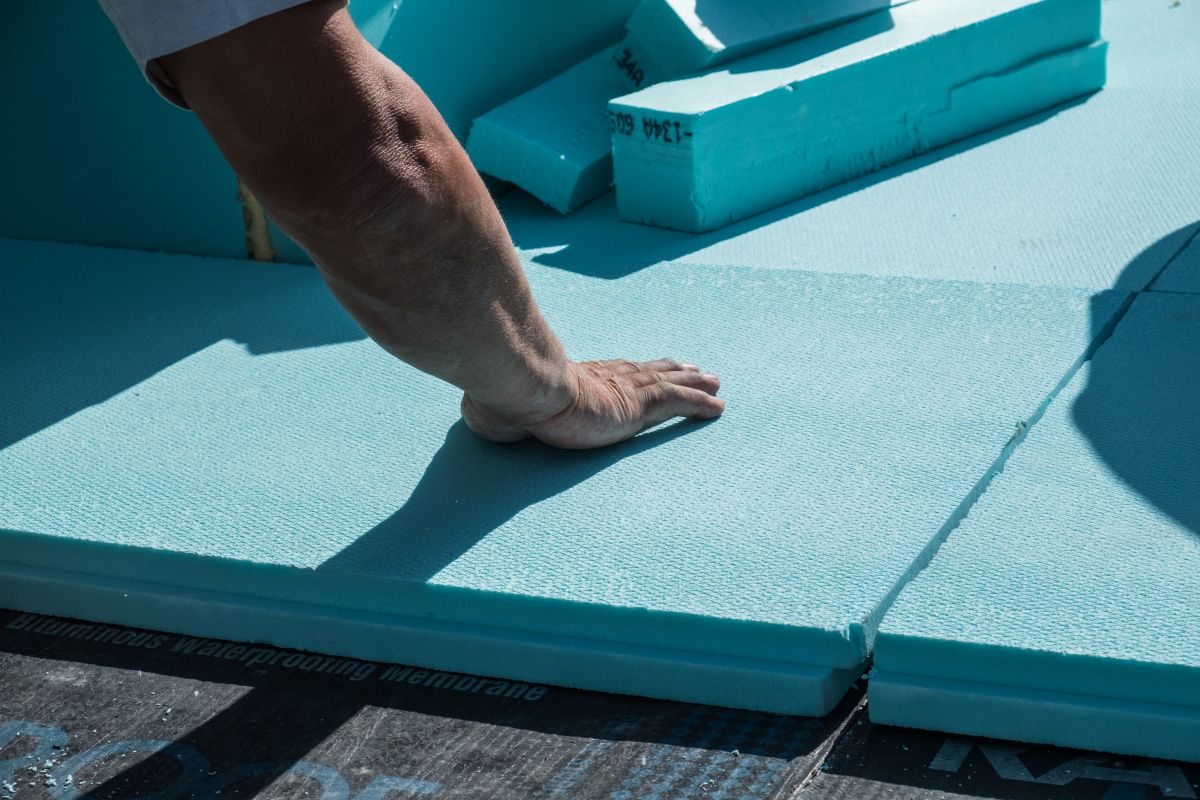
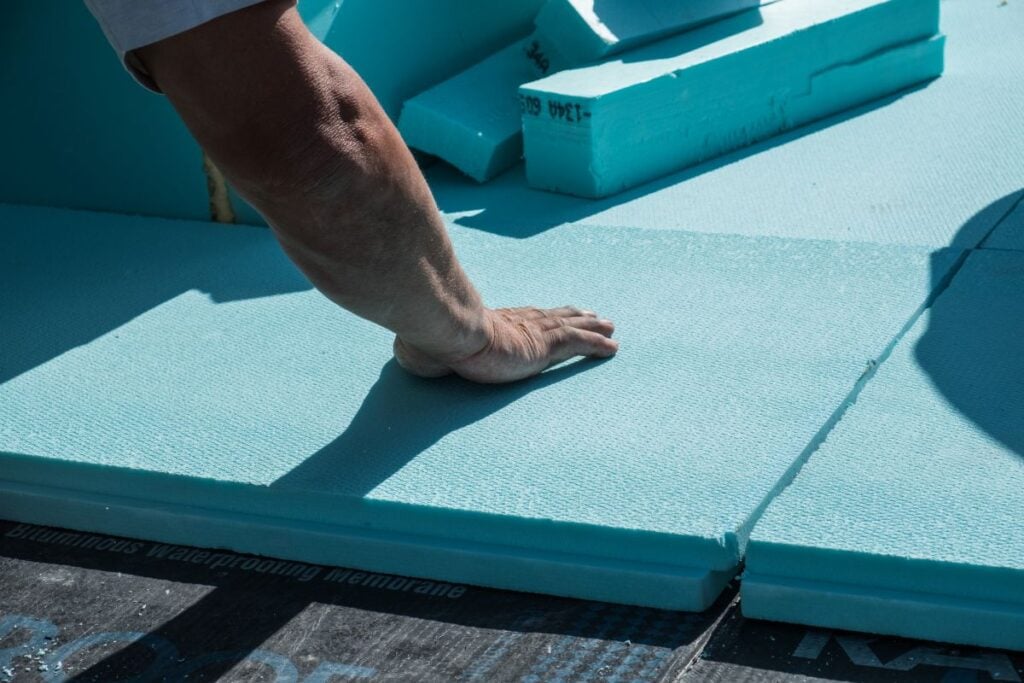
Extruded Polystyrene (XPS) Insulation
XPS insulation is known for its moisture resistance and durability, making it ideal for environments where water exposure is a concern. It is frequently used in flat and low-slope roofing systems.
- Moisture Resistance: Prevents water absorption and maintains insulation performance.
- High Compressive Strength: Suitable for heavy rooftop equipment areas.
- Long-Term Stability: Retains insulating properties over time.
Expanded Polystyrene (EPS) Insulation
EPS insulation provides an economical option for industrial buildings while still delivering reliable thermal performance. It is commonly used in both new construction and retrofit projects.
- Cost-Effective Solution: Ideal for large-scale industrial applications.
- Versatile Installation: Compatible with various roofing systems.
- Lightweight Structure: Simplifies installation and reduces labor costs.
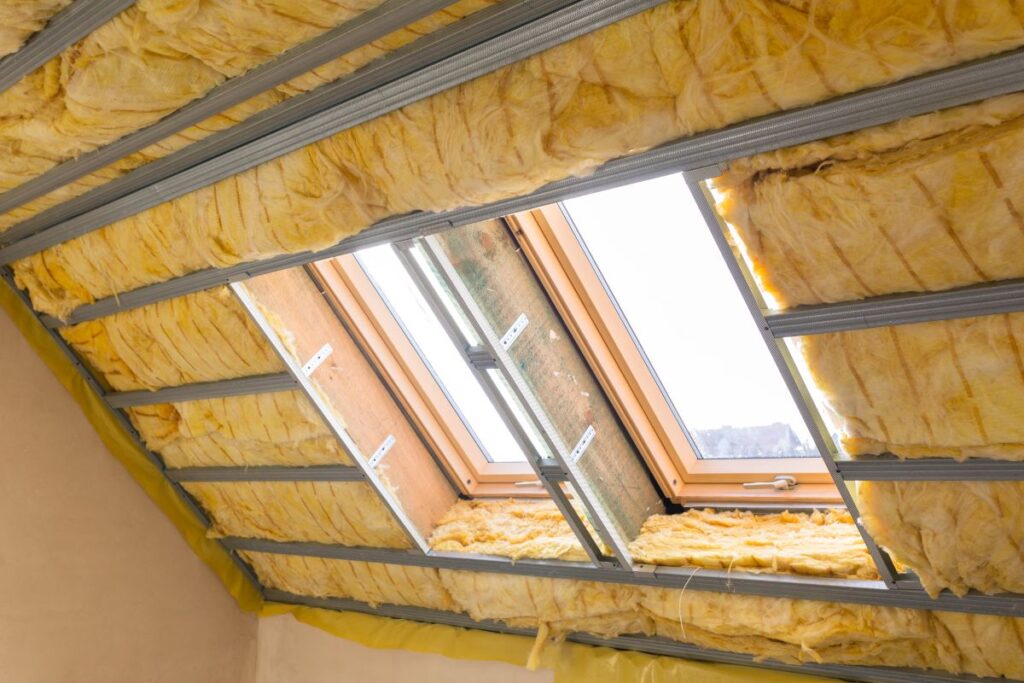
Mineral Wool Insulation
Mineral wool insulation offers exceptional fire resistance and soundproofing properties, making it a valuable choice for industrial environments that require enhanced safety and noise control.
- Fire-Resistant Material: Provides added protection for industrial facilities.
- Acoustic Performance: Reduces noise transmission within the building.
- Durability: Maintains structural integrity under extreme conditions.
Benefits of Proper Industrial Roof Insulation
Installing the right insulation system provides significant advantages for commercial property owners seeking improved building performance and reduced operating costs.
Improved Energy Efficiency
High-quality insulation minimizes heat transfer, reducing the demand on HVAC systems and lowering energy consumption. This results in substantial savings on utility bills and contributes to a more sustainable building operation.
- Lower Utility Costs: Reduces heating and cooling expenses year-round.
- Enhanced Temperature Control: Maintains consistent indoor conditions.
- Sustainability Benefits: Supports energy-efficient building practices.
Moisture and Condensation Control
Proper insulation helps prevent condensation buildup, which can lead to mold growth, corrosion, and structural deterioration. Moisture control is especially important in industrial environments with varying humidity levels.
- Protects Structural Components: Prevents moisture-related damage to roofing systems.
- Reduces Mold Risk: Improves indoor air quality and building safety.
- Enhances Roof Longevity: Minimizes deterioration caused by trapped moisture.
Extended Roof Lifespan
Industrial roof insulation reduces thermal stress on roofing materials, helping extend the lifespan of the entire roofing system. This long-term protection reduces the need for frequent repairs or premature replacement.
- Minimizes Thermal Expansion: Protects roofing materials from temperature fluctuations.
- Enhances Durability: Improves resistance to environmental wear and tear.
- Supports Long-Term Investment: Maximizes the value of your roofing system.
7 Tips To Boost Industrial Roof Insulation Efficiency
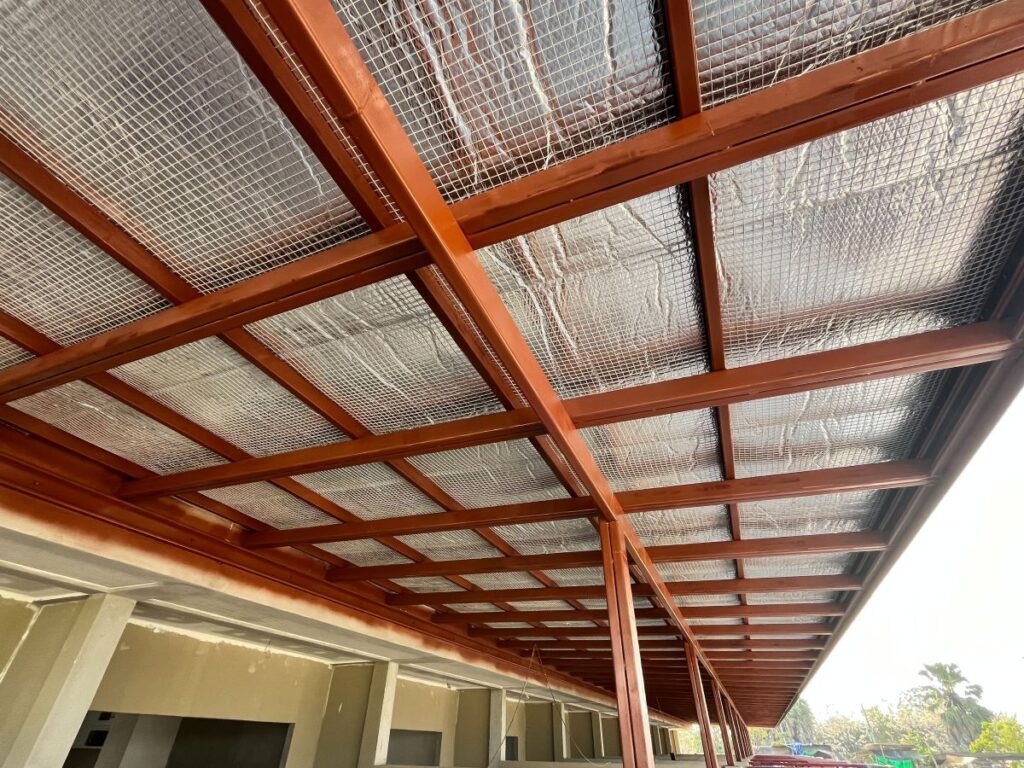
Optimizing insulation performance ensures maximum energy savings and long-term reliability for industrial buildings.
1. Choose the Right Insulation Material
Selecting the appropriate insulation material based on your building’s needs is essential for achieving optimal thermal performance. Factors such as climate, roof structure, and building usage should guide your decision.
- Evaluate Thermal Performance: Consider materials with high R-values for maximum efficiency.
- Assess Moisture Resistance: Choose insulation suitable for your facility’s environmental conditions.
- Consult Roofing Professionals: Expert guidance ensures the best material selection.
2. Ensure Proper Insulation Thickness
The thickness of insulation directly impacts its thermal performance. Installing insulation that meets or exceeds local building codes helps improve energy efficiency and indoor comfort.
- Meet Code Requirements: Ensure compliance with regional energy standards.
- Enhance Thermal Protection: Thicker insulation improves temperature regulation.
- Optimize Long-Term Savings: Reduces energy costs over the building’s lifespan.
3. Install a Vapor Barrier
A vapor barrier prevents moisture from penetrating the insulation layer, protecting the roofing system from condensation-related damage.
- Prevents Moisture Intrusion: Maintains insulation effectiveness and structural integrity.
- Supports Indoor Air Quality: Reduces the risk of mold and mildew growth.
- Enhances Energy Efficiency: Keeps insulation dry for optimal performance.
4. Improve Roof Ventilation
Proper ventilation works in conjunction with insulation to regulate temperature and moisture levels within the roofing system.
- Reduces Heat Buildup: Improves cooling efficiency during warmer months.
- Prevents Condensation: Maintains balanced airflow throughout the building.
- Extends Roof Lifespan: Protects insulation and roofing materials from damage.
5. Address Thermal Bridging
Thermal bridging occurs when heat transfers through structural components, reducing insulation effectiveness. Minimizing these gaps improves overall energy efficiency.
- Seal Structural Gaps: Prevent heat loss through exposed framing or fasteners.
- Use Continuous Insulation: Provides uniform thermal coverage across the roof.
- Enhance Building Performance: Improves temperature stability and energy savings.
6. Schedule Regular Roof Inspections
Routine inspections help identify insulation damage or moisture infiltration before they compromise building performance.
- Detect Early Issues: Prevents costly repairs and energy loss.
- Maintain Insulation Integrity: Ensures consistent thermal performance.
- Extend Roof Lifespan: Supports long-term efficiency and durability.
7. Work With Experienced Roofing Professionals
Professional installation ensures your industrial roof insulation system performs efficiently and complies with local building codes.
- Expert Installation: Guarantees proper placement and performance.
- Code Compliance: Meets industry standards and safety requirements.
- Long-Term Reliability: Maximizes the return on your insulation investment.
Common Mistakes To Avoid
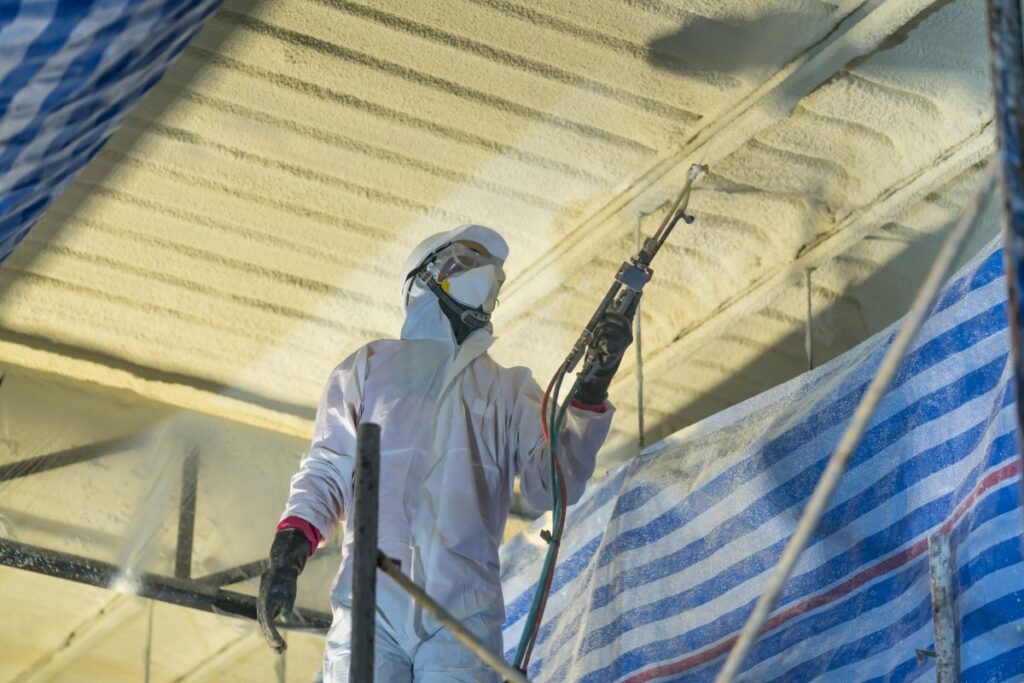
Avoiding common insulation mistakes can significantly improve the performance and lifespan of your industrial roofing system.
- Insufficient Insulation Thickness: Leads to reduced energy efficiency and higher utility costs.
- Improper Installation: Gaps or misalignment compromise thermal performance.
- Ignoring Moisture Control: Increases the risk of condensation and structural damage.
- Neglecting Maintenance: Failing to inspect insulation regularly can result in costly repairs.
By addressing these issues proactively, commercial property owners can ensure their insulation system performs efficiently for years to come.
Maximize Building Efficiency With Industrial Roof Insulation
Investing in industrial roof insulation is one of the most effective ways to improve energy efficiency, protect your roofing system, and reduce operational costs. From selecting the right materials to ensuring proper installation and maintenance, each step plays a crucial role in enhancing your building’s performance and longevity.
For commercial property owners in Omaha and surrounding areas, J-Tech Construction & Solar provides expert roofing solutions designed to meet the demands of Nebraska’s climate. Our experienced team delivers reliable installation, quality materials, and tailored recommendations to help you achieve optimal efficiency and long-term value.
Contact J-Tech Construction & Solar today for a free estimate and discover how professional industrial roofing can boost efficiency, reduce energy costs, and protect your commercial property for years to come.