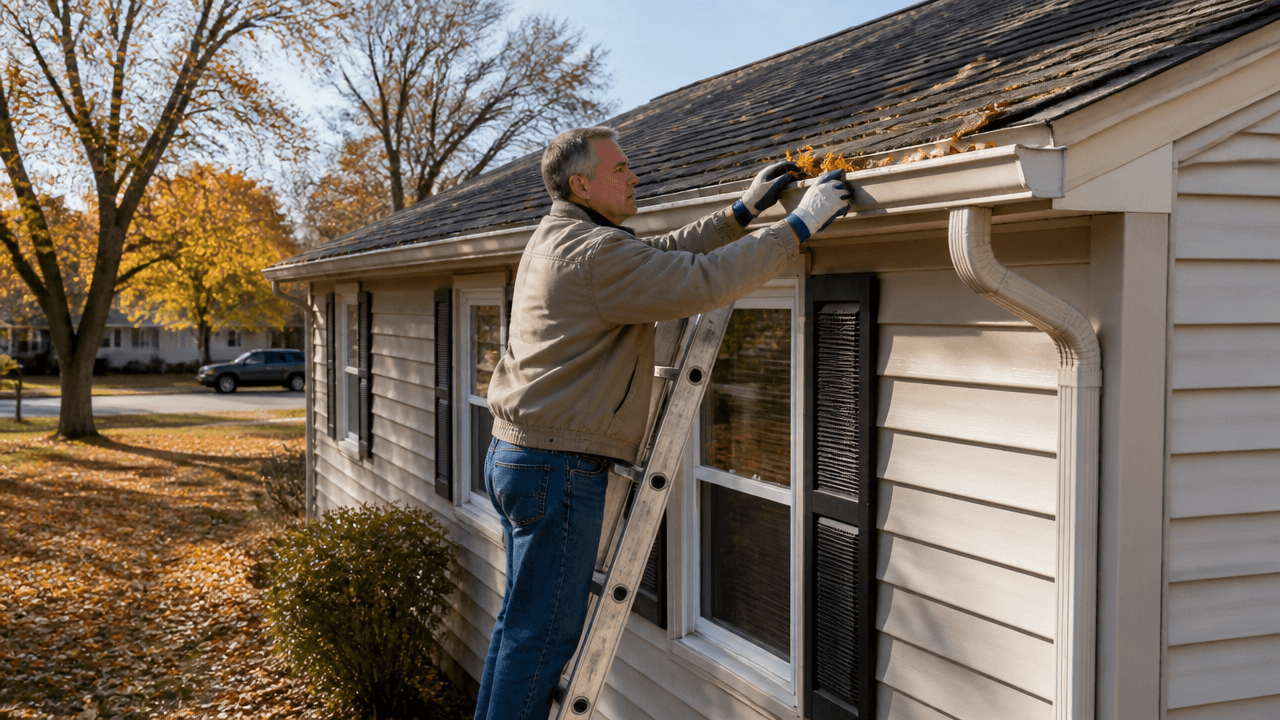
• Fall gutters need regular attention because leaves and debris can block water flow fast.
• Simple checks like cleaning, flushing, and inspecting downspouts help prevent overflow and damage.
• A steady maintenance routine protects the home from water problems and keeps gutters working longer.
Why Fall Gutter Care Matters in Hickman
When the weather turns in Hickman, gutters can fill up fast with leaves, twigs, and roof grit. If that buildup is left alone, water can spill over the edge and start causing damage around the home. That is why how to maintain gutters in fall is not just a seasonal chore but a smart way to protect your property.
Clogged gutters can lead to wet siding, stained trim, and water pooling near the foundation. Over time, that kind of water trouble can become a much bigger repair than a simple cleaning job. At J-Tech Construction & Solar, we know small exterior issues can turn serious when fall weather keeps adding pressure.
The good news is that a few steady steps can keep your gutter system working as it should. With the right routine, you can stay ahead of the mess before it blocks drainage. If you want help with exterior care, our gutter services can support your home through the season.
How We Keep Gutters Ready for Fall
A good fall gutter routine starts with checking for buildup before it becomes packed in. We look for leaves, seed pods, and other debris that can stop water from moving through the system. This matters because even a small clog can send water the wrong way and put stress on the roof edge.
We also pay close attention to downspouts, seams, and fasteners since those spots often show early signs of trouble. Loose sections or weak drainage can make the whole gutter line less effective during heavy rain. When homeowners stay consistent with how to maintain gutters in fall, they lower the chance of overflow and help protect the home from moisture damage.
Step-by-Step Fall Gutter Care
🧤 Step 1: Inspect the gutters
Start by looking along the full gutter line for leaves, dirt, standing water, and sagging sections. A careful inspection helps you catch blockages and damage before they cause overflow.
🧹 Step 2: Remove loose debris
Clear out dry leaves, sticks, and other buildup by hand or with a small scoop. Removing debris first makes the rest of the job easier and helps water move freely again.
🚿 Step 3: Flush the system with water
Run water through the gutters and downspouts to check for smooth flow. This also helps you spot slow drainage or hidden clogs that need more attention.
🔩 Step 4: Check for loose fasteners
Look for sections that pull away from the home or hang unevenly. Tight supports help gutters hold their shape and drain properly during fall storms.
🪜 Step 5: Inspect the downspouts
Make sure each downspout carries water away from the home without backing up. If water pools at the base, the outlet may be blocked or need adjustment.
🌧️ Step 6: Watch for overflow during rain
After a rain shower, check whether water is spilling over the edge instead of moving through the system. Overflow is a clear sign that the gutters need more cleaning or repair.
🍂 Step 7: Repeat checks through the season
Fall leaves can keep falling for weeks, so one cleaning is often not enough. Regular checks help keep the system clear and reduce the risk of buildup returning.
Common DIY Mistakes to Avoid
A lot of gutter problems happen when people rush through the job or skip key checks. Fall weather can bring steady leaf drop, so the system needs more than a quick look from the ground. Careful work helps prevent water from backing up and causing avoidable damage.
Here are the mistakes we see most often when homeowners try to handle this on their own.
⚠️ Mistake 1: Cleaning only the visible debris
This happens when someone clears the top layer of leaves but leaves packed material deeper in the gutter. It often happens because the blockage is hard to see from above, but it can still stop drainage. To prevent it, check the full run of the gutter and flush it with water after cleaning.
⚠️ Mistake 2: Ignoring the downspouts
Many people focus on the gutter trough and forget that downspouts can clog just as easily. This usually happens because the downspouts are out of sight and seem less important. To avoid this, always test water flow through every outlet.
⚠️ Mistake 3: Skipping the roof edge inspection
Some homeowners clean the gutters but never look for damaged edges, loose hardware, or signs of wear. This mistake often comes from wanting to finish quickly, but small issues can turn into bigger drainage problems. Prevent it by checking the gutter line closely before and after cleaning.
⚠️ Mistake 4: Waiting until the gutters overflow
This happens when maintenance gets delayed until water is already spilling over. People often assume one cleaning will last all season, but fall leaves can keep creating new blockages. The best way to prevent it is to inspect the system regularly during peak leaf drop.
⚠️ Mistake 5: Using unstable access equipment
A common issue is trying to work from a ladder that is not set securely or is placed on uneven ground. This often happens when homeowners are eager to get the job done without proper setup. To reduce risk, use safe access methods and never rush the task.
Frequently Asked Questions
How often should gutters be cleaned in fall?
Yes, gutters should usually be checked more than once during fall. In areas with heavy leaf drop, cleaning every few weeks can help prevent clogs before they start.
What happens if gutters are not cleaned before winter?
Yes, leaving debris in the gutters can create overflow, ice buildup, and added strain on the system. Water that cannot drain properly may also cause damage near the roofline and foundation.
Can clogged gutters damage a home?
Yes, clogged gutters can damage a home by sending water where it should not go. That can lead to problems with siding, trim, landscaping, and the area around the foundation.
What is the best way to maintain gutters in fall?
Yes, the best way to maintain gutters in fall is to inspect, clear, and flush them regularly. This simple routine helps keep water moving and reduces the chance of overflow during rainy weather.
Should homeowners check downspouts too?
Yes, homeowners should always check downspouts as part of gutter maintenance. A clear gutter line still will not work well if the downspout is blocked or draining poorly.
Keep Your Gutters Ready This Fall
Fall gutter care is one of the easiest ways to protect your home from avoidable water problems. A steady routine of checking, clearing, and testing the system helps keep drainage working when the weather changes. When you stay ahead of buildup, you give your home a better chance of handling the season well.
At J-Tech Construction & Solar, we believe simple exterior care can make a real difference over time. If you want to stay connected with our team and see more from us, follow us on social media.