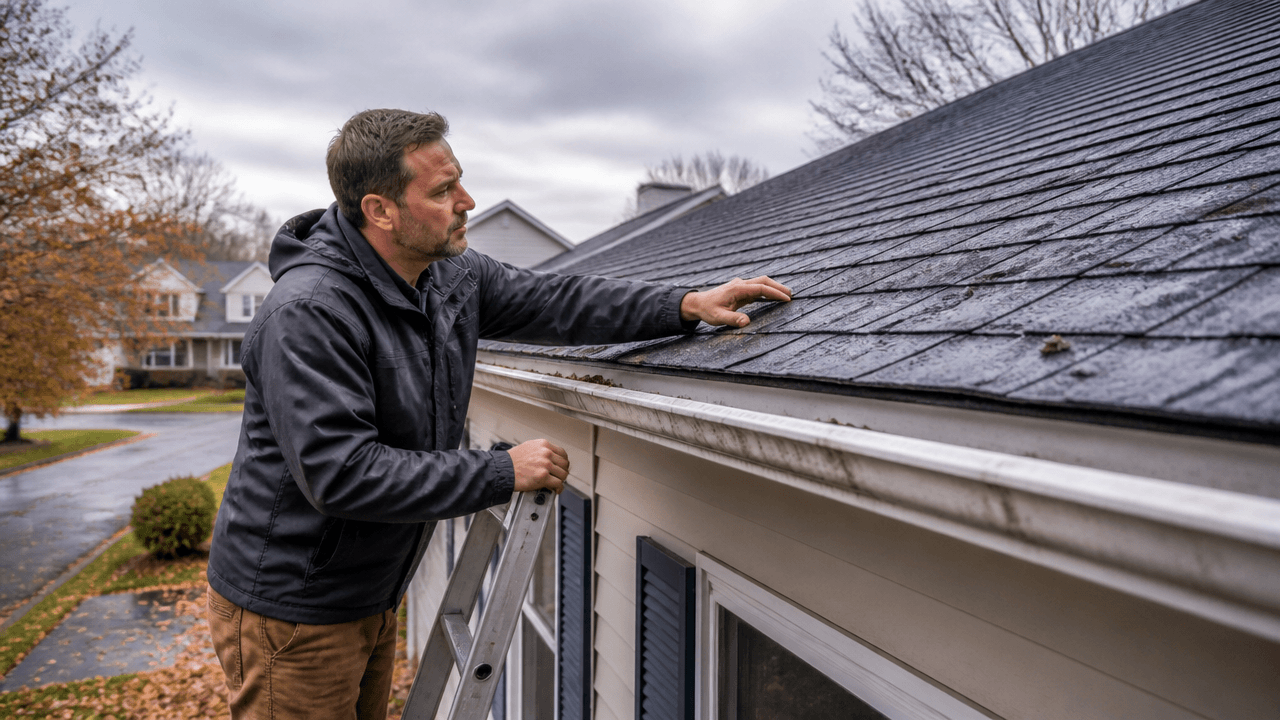
• A hail damage roof inspection helps catch dents, cracked shingles, loose flashing, and hidden leaks before they turn into costly repairs.
• The best time to check for roof damage is right after a storm, starting with the ground, attic, gutters, and visible shingles.
• If you spot signs of hail damage, act quickly so small problems do not spread and cause bigger issues inside the home.
Why a Roof Check Matters After Hail
When hail rolls through Milford in the fall, small roof problems can turn into bigger ones fast. A hail damage roof inspection helps us catch issues before water finds its way inside. Even minor dents or lifted shingles can lead to leaks if they are left alone. Acting early can protect both the roof and the rest of the home.
The tricky part is that hail damage is not always easy to spot from the ground. Some signs show up right away, while others stay hidden until the next rain or snow. That is why a close look after a storm matters so much. If you are unsure where to start, our roofing services can help guide the next step.
Fall weather can bring more than just cold air and falling leaves. It can also bring repeated storms that keep stressing a roof that has already been hit. When damage is ignored, repair costs can rise and the problem can spread faster than many homeowners expect. A quick response gives us a better chance to spot trouble early and keep the roof in good shape.
How We Check for Hail Damage
A careful inspection starts with the most visible parts of the roof and moves to the smaller details. We look for cracked shingles, bruised spots, exposed matting, loose flashing, and gutters that show impact marks. We also pay attention to places where water might slip through, such as valleys and roof edges. This kind of close check gives a clearer picture of what the hail may have done.
From there, we compare what we see on the roof with what is happening inside and around the home. Stains on ceilings, damp attic spaces, or shingle pieces on the ground can all point to storm trouble. In Milford, that kind of damage often shows up after a weather shift, not always during the storm itself. A good roof check helps us connect those clues before they become bigger repairs.
Step-by-Step Hail Roof Check
🔍 Step 1: Look at the roof from the ground
Start by checking the roofline, gutters, and visible shingles from a safe spot on the ground. We look for dents, missing pieces, or anything that seems out of place after the storm. This first look helps us spot obvious problems without climbing up too soon.
📸 Step 2: Take clear photos of damage
Photograph any dents, broken shingles, or debris that may have come from the hailstorm. These images help track what changed and can be useful if repairs or insurance questions come up. Clear photos also make it easier to compare damage before and after a full inspection.
🪜 Step 3: Inspect the attic or upper ceiling space
Check for wet insulation, dark spots, or daylight showing through the roof boards. These signs can point to hidden roof damage even when the outside looks fine. Finding them early helps stop moisture from spreading to other parts of the home.
🧱 Step 4: Check shingles for bruising and cracks
Look closely at shingles for soft spots, splits, or missing granules. Hail can weaken shingles even when they do not break apart right away. Spotting these changes early helps us decide whether repair or replacement is needed.
💧 Step 5: Examine gutters and downspouts
Look for dents, loose fasteners, or shingle grit collecting in the gutters. Hail can damage these parts too, and the clues they leave behind can point to roof impact. Clean, working gutters also help move water away from the home after a storm.
🧰 Step 6: Check flashing around roof openings
Inspect the metal around chimneys, vents, skylights, and valleys for bending or lifting. Flashing that has shifted can let water in even if the shingles seem mostly fine. This step matters because small gaps often lead to slow leaks later.
📋 Step 7: Record what you find
Write down each sign of damage and note where it appears on the roof. A simple record helps us stay organized and makes it easier to decide what should be fixed first. It also gives a clear picture of how the roof changed after the storm.
🏠 Step 8: Arrange a full roof inspection
If there are signs of hail damage, set up a professional inspection right away. A trained eye can catch damage that is easy to miss from the ground or attic. That final check helps confirm the condition of the roof and what needs attention next.
Common DIY Mistakes to Avoid
Many homeowners try to inspect hail damage on their own, but small errors can make the job less useful. Some problems are easy to miss if the process is rushed or done from only one angle. A careful approach matters because roof damage often hides in plain sight.
The mistakes below usually happen when people try to save time or avoid climbing up safely. Each one can lead to missed damage, weak records, or delays in repair. Knowing what to avoid can make the whole process safer and more effective.
- ⚠️ Mistake 1: Only checking from the driveway
Many people stop after a quick glance from the street because it feels fast and easy. The problem is that roof damage can be hidden from that distance, especially on the far side of the home. Prevent this by checking all visible sides from safe angles and looking for more than just missing shingles. - ⚠️ Mistake 2: Ignoring gutters and downspouts
Homeowners often focus only on the roof surface and forget the drainage system. That happens because gutter damage seems minor, but dents and shingle grit can tell us a lot about storm impact. Prevent this by inspecting gutters closely for impact marks and loose pieces. - ⚠️ Mistake 3: Missing small attic signs
Some people skip the attic because they expect roof damage to be obvious outside. That can lead to missed moisture spots, which often appear before a major leak starts. Prevent this by checking for damp insulation, stains, and daylight after the storm. - ⚠️ Mistake 4: Forgetting to document damage
It is common to notice a problem and then fail to record it right away. This happens when people assume they will remember the details later, but they often do not. Prevent this by taking photos and writing down the location of every sign you find. - ⚠️ Mistake 5: Waiting too long to act
Some homeowners see a few dents and decide to deal with them later. That delay can let small damage turn into leaks, wood rot, or bigger repair costs. Prevent this by scheduling a full inspection as soon as storm damage is suspected.
Frequently Asked Questions
How can I tell if my roof has hail damage?
Yes, hail damage often shows up as dents, bruised shingles, or loose granules on the roof surface. A hail damage roof inspection can also reveal hidden problems like cracked flashing or soft spots that are not easy to see from the ground. The best sign is any change in the roof after a hailstorm that was not there before.
Should I check my attic after a hailstorm?
Yes, checking the attic is a smart part of any roof check after hail. Look for wet spots, damp insulation, dark stains, or any sign that light is coming through the roof boards. These clues can point to damage that has already opened a path for water.
Can hail damage happen even if the shingles still look okay?
Yes, hail can weaken shingles even when they still look mostly normal. The impact can loosen granules, create soft spots, or damage the material underneath the surface. That is why a hail damage roof inspection matters after a storm, even when the roof looks fine at first glance.
What parts of the roof are most likely to be hit by hail?
Yes, roof edges, ridges, valleys, and open roof faces often show the most impact. These areas take the full force of the storm and can reveal dents, cracks, or lifted shingles sooner than other spots. Flashing, vents, and gutters can also show clear signs of hail impact.
How soon should a roof be checked after hail hits?
Yes, the roof should be checked as soon as it is safe to do so after the storm passes. Waiting too long can allow small damage to turn into leaks or water stains inside the home. A prompt inspection gives us the best chance to catch problems early and keep repairs smaller.
Wrapping Up the Roof Check
A hailstorm can leave behind more damage than many homeowners expect, especially in a season like fall when weather can change quickly. A careful roof check helps us spot trouble early, protect the home, and avoid bigger issues later. When we stay alert after a storm, we make it easier to keep the roof in strong shape.
If you notice signs of damage or want a closer look after hail, acting fast is the safest move. At J-Tech Construction & Solar, we value clear answers and dependable service for Milford homeowners. For more updates and project insight, follow us on social media.