
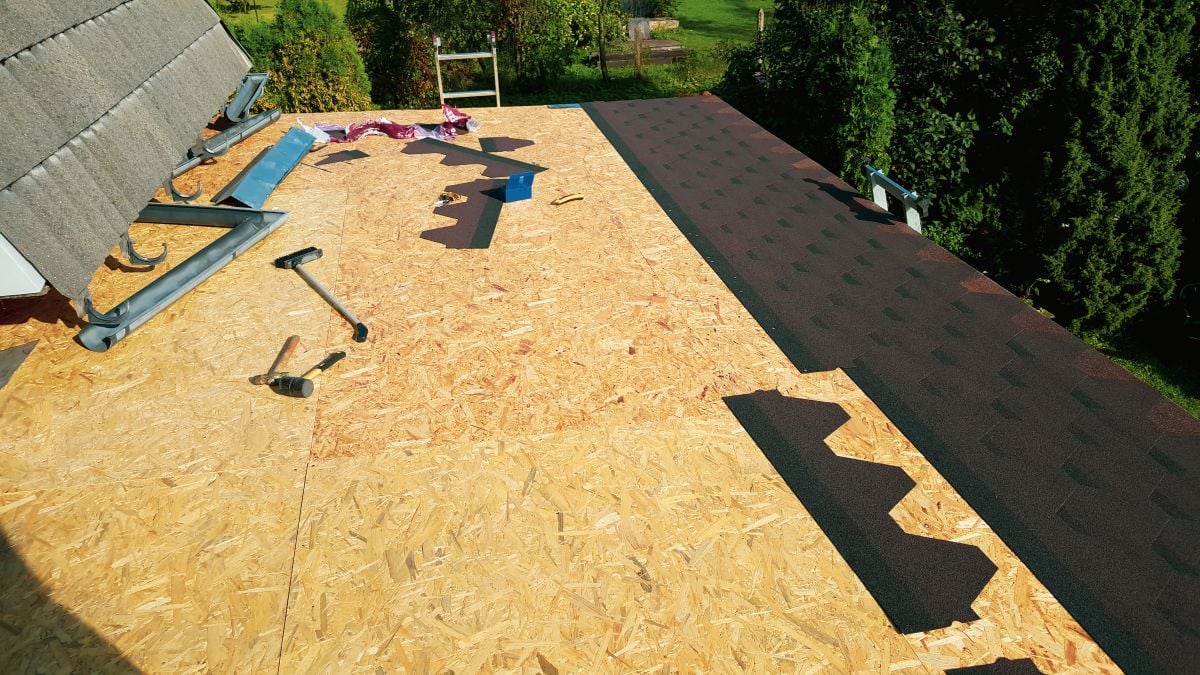
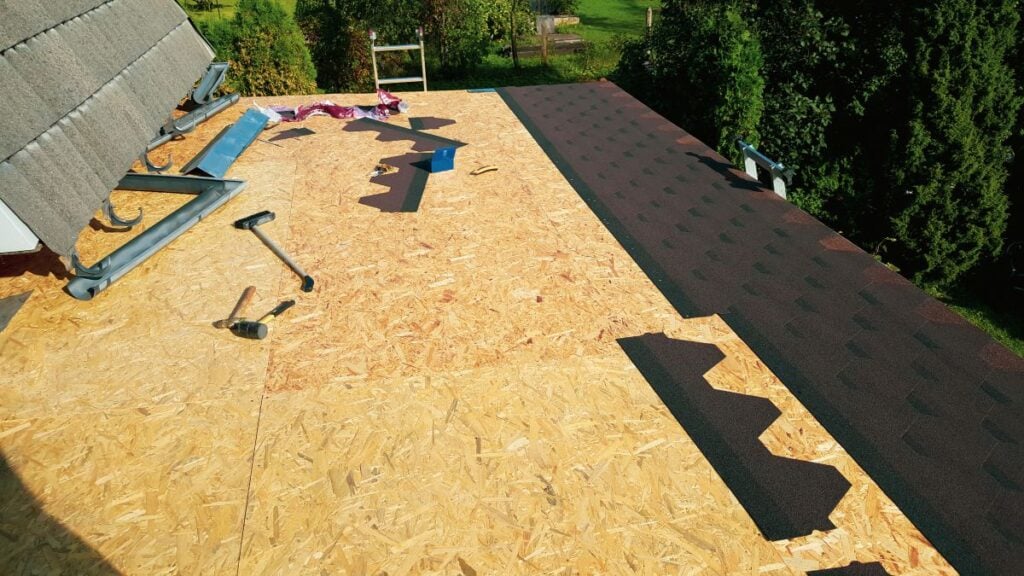
If you’re asking how long does a roof replacement take, the short answer is that most roof replacements are completed by professional roofing companies within 1 to 3 days for most homes in Elkhorn and surrounding areas. The roof replacement timeline, however, is influenced by several factors such as weather conditions, roofing material, home size, and project complexity. While most roof replacements fall within this timeframe, adverse weather conditions or other variables can extend the process. According to GAF, the largest roofing manufacturer in North America, an asphalt shingle roof replacement on an average-sized home can often be completed in one to two days, but many factors can stretch that timeline. This guide walks through the 6 most common reasons your roof replacement is taking longer than expected and what’s likely going on.
- Common delay causes: What slows down a roof replacement most often.
- Why it matters: When a delay protects your roof and when it costs you money.
- What to do: How to keep things moving and what questions to ask.
Why Do Roof Replacements Get Delayed?
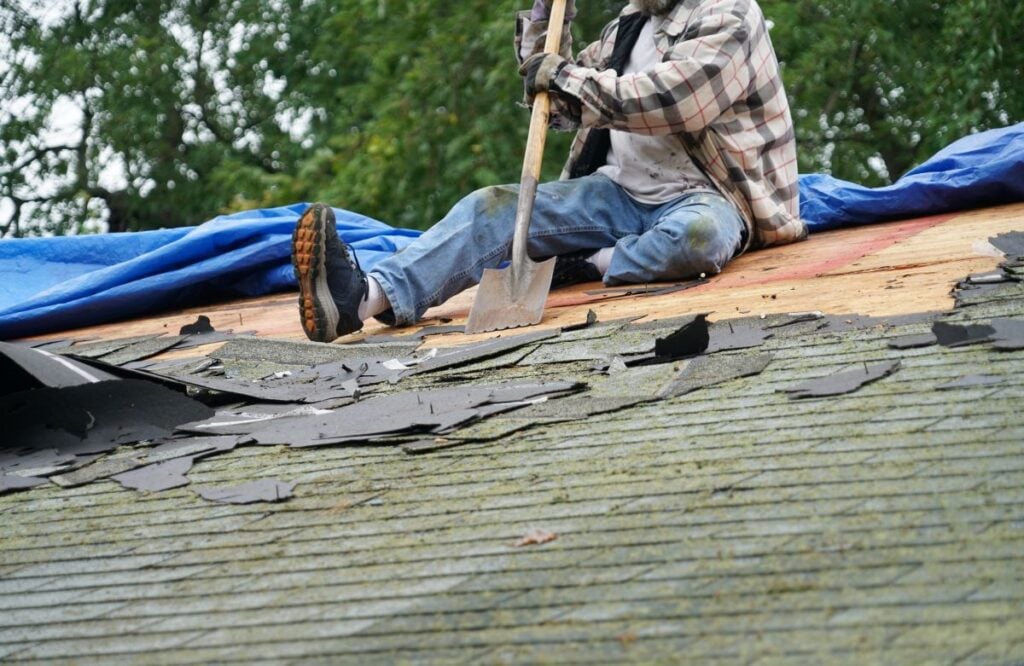
Roof replacements are outdoor work, and outdoor work runs into outdoor problems. Weather is the big one, but it’s far from the only one. Material delays, hidden damage, permit issues, and crew schedules all play a role. The installation time for a roof replacement project can be affected by factors such as weather conditions, the type of roofing material chosen, and the experience of the roofing team. Most delays aren’t anyone’s fault. Some are. An experienced crew can help minimize delays and ensure a smooth roof installation, as their expertise and efficiency positively affect the overall timeline. Knowing the difference helps you stay calm when something pushes the timeline.
What’s a Realistic Timeline?
Most asphalt shingle replacements on average-sized homes take 1 to 3 days. Larger homes with steep pitches, multiple valleys, dormers, or skylights can take 4 to 7 days. Premium materials like metal or tile usually take longer because installation is more involved. From contract signing to final cleanup, expect 2 to 6 weeks total in most cases. That includes the time it takes to order materials, schedule the crew, and pull permits. If your project has stretched past those numbers without a clear reason, it’s fair to ask your contractor what’s going on.
- Typical install: 1 to 3 days of on-site work for asphalt shingles.
- Larger or complex roofs: 4 to 7 days for steep, multi-faceted roofs.
- Premium materials: Metal and tile usually take 5 to 14 days.
- Full process: 2 to 6 weeks from contract to cleanup is normal.
What Are the 6 Most Common Reasons for Delays?
Below is the numbered breakdown of the 6 most common reasons your roof replacement is taking longer than expected. The roof replacement process, or replacement process, is influenced by several factors that can affect the duration of any roof replacement project. Each one is worth understanding so you know what to expect and when to push back.
1. Weather Won’t Cooperate
Weather is the single biggest cause of roof replacement delays. Rain, snow, high winds, and extreme temperatures all stop work. Roofers can’t safely install shingles on a wet deck, and most asphalt sealants need temperatures above 40°F to bond properly. A surprise thunderstorm in spring or a cold front in fall can push a 2-day job into a full week. Homeowners in Elkhorn and surrounding areas know how unpredictable Nebraska weather can be, and roofers plan around that uncertainty. The right move is to expect some weather delays and trust your contractor to pause when the conditions aren’t safe. Pushing a crew to work in bad weather usually means a worse roof.
- Rain delays: Wet decking and shingle adhesion problems.
- Cold delays: Sealants don’t bond below about 40°F.
- Hot delays: Extreme heat softens shingles and risks worker safety.
- What to do: Build flexibility into your schedule, especially in spring or fall.
2. Hidden Decking Damage
This is the one that catches most homeowners off guard. Once the old shingles come off, the wood decking, also known as the roof deck, which is the structural surface beneath the shingles, is exposed for the first time in 20 or 30 years. If water has been getting through, that decking can be rotted, soft, or covered in mold. Damaged roof deck sections have to be replaced before new shingles go on. A small repair adds a few hours. A larger one adds a day or two. Either way, this isn’t a delay you can prevent. It’s a delay that protects your investment, since installing a new roof over rotted wood would just lock in future problems and increase the risk of structural damage down the line.
- Why it happens: Damage hides under shingles for years.
- Time impact: A few hours for small repairs; up to 2 days for large ones.
- Cost impact: Decking replacement adds $1 to $3 per square foot.
- Why it’s worth it: Stops the bigger problem before it becomes structural.
3. Material Delivery Problems
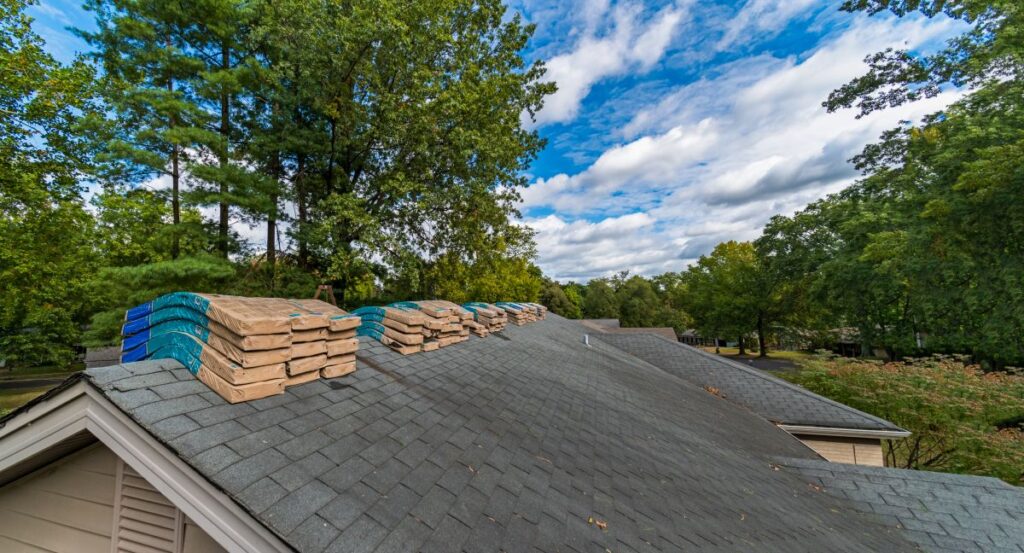
Roofing materials don’t always show up on time. Specialty colors, premium shingles, and unusual products often have lead times of 1 to 4 weeks, sometimes longer. Even standard materials can be delayed by manufacturer backlogs, shipping issues, or weather problems on the supplier’s end. If your project gets postponed before it even starts, this is often why. The delivery of new materials and the removal of old materials can both impact the project timeline, especially if there are multiple old roof layers to remove. Once tear-off begins, a missing material order can pause the whole job. The number of existing roof layers—how many layers need to be removed—can also significantly affect how long the tear-off and replacement process takes. A good contractor checks material availability before scheduling and orders early. Ask your contractor to confirm everything is on hand before they tear off your old roof.
- Common cause: Specialty colors and premium products have longer lead times.
- What to ask: “Are all materials confirmed and on-site before tear-off?”
- Lead time range: 1 to 4 weeks for non-standard products.
- How to avoid: Pick standard materials when timing matters most.
4. Permit and Inspection Delays
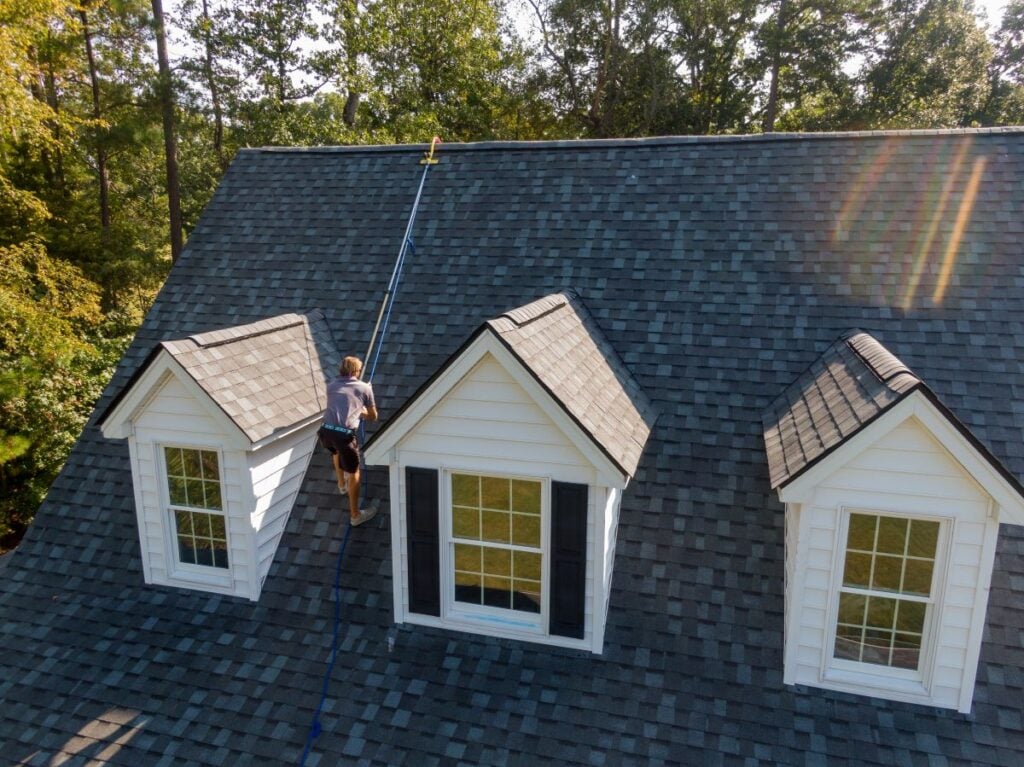
Most cities and counties require a permit for roof replacement, and pulling that permit takes time. Permit approvals usually run 1 to 5 business days, but busy seasons or complicated projects can stretch that to 2 weeks or more. After the work is done, many areas require a final inspection before the job officially closes out. If the local building department is backlogged, you might wait days for an inspector to show up. Your contractor handles all of this, but it’s worth knowing the steps so a wait doesn’t feel like the contractor is dragging their feet. Many roofing companies also offer free estimates and inspections before you have your roof replaced, helping you understand the process and timeline.
- Permit timing: Usually 1 to 5 business days; longer in busy seasons.
- Final inspection: Required by most jurisdictions before closeout.
- Inspector backlog: Can add days, especially after major storms.
- Who handles it: Your contractor pulls permits and schedules inspections.
5. Crew Scheduling and Backlog
Good roofers are usually booked weeks out, especially in spring and fall. If a hailstorm hits your area, that backlog gets worse fast as everyone tries to schedule at once. Your crew may also be finishing another job that ran long, which pushes your start date. None of that is great when you’re waiting, but it’s a sign of a busy contractor with a real reputation. The alternative is a crew that’s available right away, which sometimes means they aren’t getting much work for a reason. To ensure quality workmanship and minimize delays, it’s important to hire a reputable roofing contractor and an experienced roofing crew from established roofing companies. The fix is to schedule earlier in the season and confirm a hard start date in writing.
- Why it happens: Reputable crews are usually booked weeks out.
- Storm season: Hailstorms create big spikes in demand.
- What to ask for: A written start date in your contract.
- Best timing: Schedule in late winter or early spring before the rush.
6. Change Orders and Add-Ons
Sometimes the timeline gets longer because new things get added to the job. Maybe you decide to upgrade to architectural shingles after the contract was signed. Maybe the contractor finds bad ventilation that needs to be fixed. Maybe you ask to add a new skylight or replace the gutters at the same time. Each addition takes time, and if any of it requires materials that aren’t on hand, the wait can stretch days. Preparing your property for roofing work and ensuring easy access for the crew and equipment can help keep the project on schedule. Change orders aren’t bad, but they should always come with a clear timeline impact in writing. If you need to make a decision about a change order, act fast to avoid unnecessary delays. Don’t agree to add work without asking how it affects the schedule.
- Common add-ons: Material upgrades, skylights, ventilation, new gutters.
- Time impact: Hours to days, depending on the work.
- What to ask: “How much does this change the timeline?”
- Get it in writing: Every change order should be documented.
What Should You Do If Delays Keep Stacking Up?
A few delays are normal. A pattern of delays without good reasons is not. If you’re past the timeline you were promised and your contractor isn’t communicating clearly, it’s fair to ask for a written update. Prolonged delays or poor workmanship can compromise the structural integrity of your roof, so it’s important to address issues promptly.
When Should You Push Back?
Push back when the contractor goes silent for more than a few days, when delays don’t have clear reasons, or when promises keep getting missed. A reputable roofer will explain what’s holding things up and give you a new realistic date. If they can’t or won’t, get the rest of the work in writing and consider whether to involve their licensing board or your state’s contractor regulation office. Most delays are just life. Real problems usually show up as poor communication first, not as a single missed date. When you need to replace your roof, clear communication with your contractor is essential to avoid unnecessary delays and ensure the project stays on track.
- Communication: A good contractor stays in touch even when there’s a delay.
- Pattern matters: One missed date is normal; a pattern is a red flag.
- Get it in writing: Ask for an updated written timeline.
- Escalation: State licensing boards handle complaints if needed.
Frequently Asked Questions
How long does a typical asphalt shingle roof replacement take?
Most roof replacements, including asphalt shingle replacements on average-sized homes, have an installation time of about 1 to 2 days, though some may take up to 3 days depending on size and complexity. The roof replacement timeline can vary based on project specifics such as roof complexity, accessibility, weather conditions, and crew size—larger or more complex roofs may take 4 to 7 days. The full process from contract signing to final cleanup usually runs 2 to 6 weeks.
Will rain in the forecast delay my roof replacement?
It depends on how much rain and when. A short shower may only pause work for a few hours. Longer storms can delay a project by a day or more, especially if the roof was opened up during tear-off. Reputable contractors monitor forecasts and adjust schedules to avoid working in unsafe conditions.
What happens if rotted decking is found during tear-off?
Damaged decking, which is part of the roof deck, the structural base for your roof, must be replaced before new shingles are installed. Removing old materials and repairing or replacing any damaged sections of the roof deck is essential to prevent structural damage and ensure the longevity of your new roof. Small repairs may add a few hours, while larger replacements can extend the project by a day or two. Decking replacement typically costs $1 to $3 per square foot installed and is almost always worth it.
Can a roof be replaced in the winter?
Yes, but it’s harder. Asphalt shingles need temperatures above 40°F to seal properly, and snow or ice can stop work entirely. Many roofers will schedule winter replacements only on warmer days. Spring and fall are usually better windows.
How can I speed up my roof replacement?
Pick standard materials, schedule early in the season, prep your property in advance, and respond to permit and material questions quickly. Move vehicles, trim overhanging branches, and clear the driveway before crews arrive.
What should I do if my roofer isn’t communicating about delays?
Ask in writing for an updated timeline and the reasons for the delay. A good contractor will respond promptly and explain. If they go silent or keep missing dates, document everything in case you need to involve your state’s contractor licensing board.
Why Choose J-Tech Construction & Solar for Your Roof Replacement?
J-Tech Construction & Solar is the trusted name for roof replacement in Elkhorn and surrounding areas because of more than 20 years of construction experience, a family-owned and locally operated team, and a clear approach to keeping homeowners informed every step of the way. Every roof replacement includes a free in-home assessment, transparent written quotes, realistic timelines, financing options that fit any budget, and warranties on both materials and labor. Whether you’re scheduling ahead for spring, recovering from storm damage, or just tired of waiting on a contractor that’s gone silent, the J-Tech team will give you a realistic timeline upfront and stick to it. Contact J-Tech Construction & Solar today to schedule your free roof estimate and find out exactly what to expect for your home.