
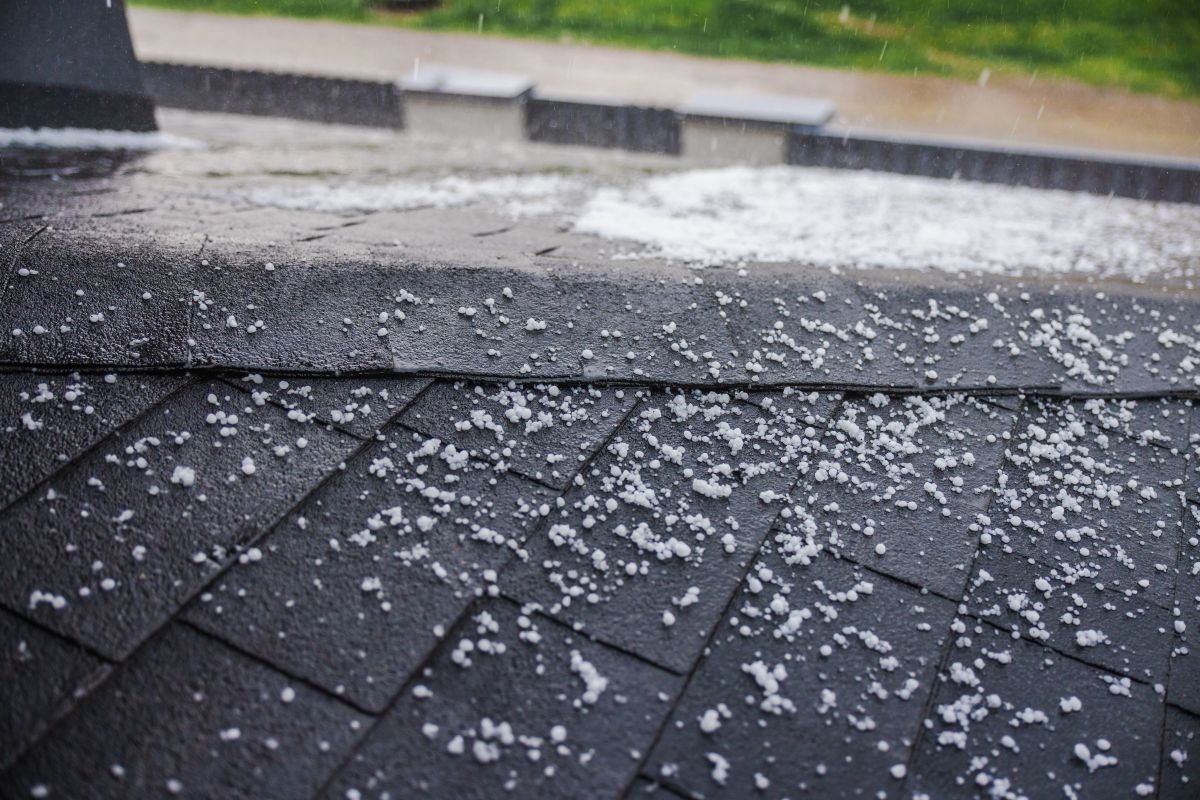
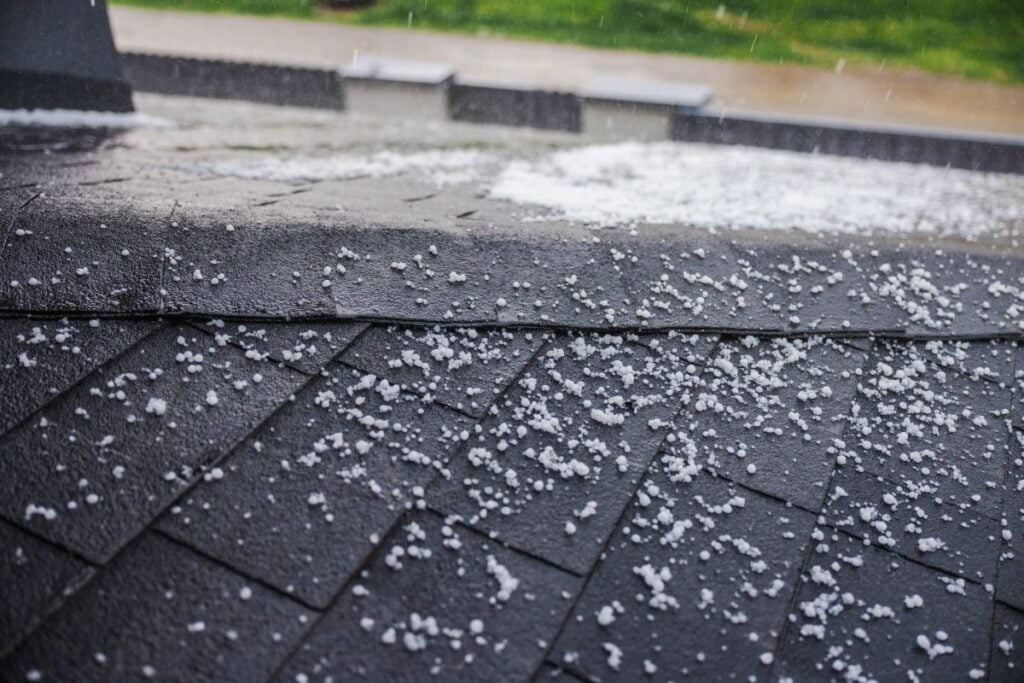
A solid hail damage roof inspection right after a storm can save you thousands of dollars and weeks of headaches down the road. Most homeowners in Nebraska City and surrounding areas are quick to check their cars after hail hits, but the roof tells a much bigger story. The catch is that hail damage often hides in plain sight. Shingles that look fine from the ground can have hidden bruises, cracked mats, and lost granules that turn into leaks within a few years. This guide walks through the 5 things to check after a hailstorm, what each sign means, and what to do next.
- Where to look first: The spots that show hail damage most clearly.
- Why timing matters: What to do in the first 48 hours after a storm.
- What to do next: Practical steps before you call a contractor or your insurer.
Why Hail Damage Is Easy to Miss

Hail damage can be sneaky. A single storm rarely punches obvious holes in a roof. Instead, it bruises shingles, knocks granules loose, and weakens the seal between shingle layers. None of that shows up as a leak right away. Months or years can pass before the damage finally lets water through.
Why Should You Inspect Right Away?
The first 48 hours after a storm are the best time to inspect. Fresh damage shows clearer evidence than damage that’s weathered for weeks. Granules sitting in your gutters wash out fast. Bruises on shingles fade as the surface settles. Most insurance policies also have reporting deadlines, often 30 to 60 days, that can shorten the window for filing a claim. According to NOAA’s National Severe Storms Laboratory, hail can damage homes, cars, and crops, and is responsible for billions of dollars in damage every year in the United States. Catching the damage early is what protects both your roof and your claim.
- First 48 hours: Damage evidence is clearest right after the storm.
- Granule loss washes: Gutter evidence disappears with rain.
- Insurance windows: Policies often have 30- to 60-day reporting limits.
- Claim quality: Faster documentation means stronger claims.
5 Things To Check During a Hail Damage Inspection
Below is the numbered breakdown of the 5 things to check after a hailstorm. Most of these can be done from the ground or with a quick walk around the house. Don’t climb on the roof yourself, especially after a storm. The shingles can be slippery, and walking on damaged shingles makes the damage worse.
1. Your Gutters and Downspouts
Start with the gutters. They’re easy to inspect from the ground and they tell you a lot. Look for dents along the gutter face and any pockmarks on the downspouts, especially at the elbows where the metal turns. These are some of the best spots to confirm hail size and direction. Then look inside the gutters, or check what flushes out of the downspouts during the next rain. A coffee cup or more of granules after a single storm is a strong sign that your shingles took a hit. The granules look like coarse black sand. They protect the asphalt mat underneath, and once they’re gone, the shingles age fast.
- What to look for: Dents on gutter faces, downspouts, and elbows.
- Granule signs: A coffee cup or more of granules washed into the gutter.
- Why it matters: Gutter dents confirm hail hit the property.
- Time investment: A quick five-minute walk around the house.
2. Soft Metal Around Your Home
Hail leaves clear marks on soft metal long before damaged shingles show themselves. Walk around your property and look at the AC condenser unit, vents, flashing, gas meter, and any aluminum siding or trim. Even small dings on these surfaces tell you the storm was strong enough to damage shingles too. Check window screens for tears or stretched mesh. Look at painted patio furniture, mailboxes, and grills for fresh dents. If your car was outside during the storm, that’s another data point. Insurance adjusters use soft metal damage as supporting evidence on roof claims, so photographing it early matters.
- AC condenser fins: Bent fins are a clear hail indicator.
- Roof vents and flashing: Dents and dings on metal show storm strength.
- Window screens: Torn or stretched mesh confirms impact.
- Vehicles: A dented car is strong supporting evidence for a claim.
3. The Shingles (From the Ground)
Use binoculars from the yard. Walk around the entire house and look up at every roof slope, paying attention to the sides that faced the storm. The most common signs of hail damage are dark circular spots where granules have been knocked off, exposing the black asphalt mat. You may also see shiny spots from the same exposed asphalt. From the ground, large patches of granule loss show up as discoloration. If you see scattered impacts on multiple slopes with no clear pattern, that’s hail damage. Damage that runs only in one direction is more likely from wear or wind, not hail.
- Dark circles: Round spots where granules have been knocked off.
- Shiny patches: Exposed asphalt mat catches light differently.
- Random pattern: Hail hits scattered across the roof, not in one direction.
- What to skip: Don’t climb up. Use binoculars from the ground.
4. Skylights, Vents, and Flashing
The roof penetrations are where leaks usually start, and they’re the spots hail tends to damage first. Skylights can crack in larger storms, and even small chips around the edges create entry points for water. Roof vents (the round metal caps and the rectangular boxes that serve bathrooms and kitchens) often dent before shingles fail. Flashing, the metal that seals around chimneys and walls, can lift or crack from impact. Look for these issues from the ground with binoculars or from a window with a clear view of the roof. Damage to these spots can mean a leak even if your shingles look mostly fine.
- Skylights: Look for cracks, chips, or visible impact marks.
- Vents: Check for dents on round and rectangular roof caps.
- Flashing: Look for lifted, cracked, or dented metal at chimneys and walls.
- Why it matters: These are the most common leak points after a storm.
5. Inside the Attic
Don’t skip the attic. Even when the roof looks intact, hail can loosen the seal between shingles and let small amounts of moisture in. Within a few days, that moisture can show up as damp spots on the underside of the roof deck. Head to the attic during daylight, turn the lights off, and look for any beams of light coming through the deck. Then look for water stains on the wood, damp insulation, or any musty smell. Even a small amount of moisture caught early is much cheaper to fix than a rotted deck or stained ceiling later.
- Daylight signs: Beams of light point to gaps in the roof deck.
- Water stains: Fresh marks on rafters or sheathing show recent leaks.
- Damp insulation: Wet spots in fiberglass or cellulose are warning signs.
- Musty smell: Often the first sign of hidden moisture.
What Should You Do After Your Inspection?
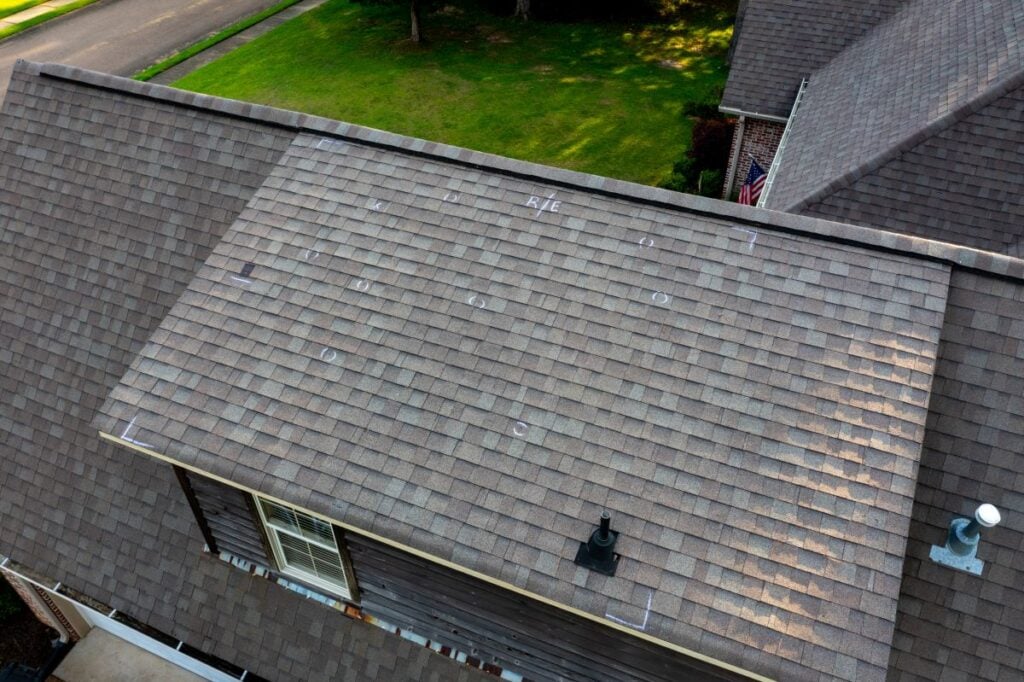
The right next step depends on what you find. A few minor signs may just need monitoring. Multiple clear signs of hail damage usually mean it’s time to call a roofer.
How Should You Document What You Find?
Document everything before you call anyone. Use your phone to take date-stamped photos of every dent, dark spot, and gutter granule pile. Place a coin or ruler next to dented metal so the size shows clearly in the photo. Save screenshots of the storm report from your local news or NOAA’s Storm Prediction Center to confirm the date and hail size. If you have hail in the yard, snap a photo with a measurement reference before it melts. This documentation is the foundation of every successful insurance claim. Without it, adjusters often question whether the damage came from the recent storm or from older wear.
- Photo everything: Dents, granules, broken trim, the works.
- Use scale references: A coin or ruler in every close-up shot.
- Save storm data: Screenshot NOAA reports and local news coverage.
- Capture hail itself: Photograph stones with measurement reference.
Frequently Asked Questions
How big does hail need to be to damage a roof?
Hail of about 1 inch (quarter-sized) and up is the most common threshold for damage to standard asphalt shingles. Smaller hail can still hurt older or already-worn roofs, especially when wind-driven. Damage is determined by inspection findings, not just hail size.
Should I file an insurance claim or pay out of pocket?
It depends on the damage extent and your deductible. Compare a roofer’s repair estimate to your deductible before calling your insurer. Filing claims for repairs near or below the deductible may not be worth the long-term premium impact.
How long do I have to file a hail damage claim?
Most insurance policies have a reporting deadline of 30 to 60 days, but some are shorter. Statutes of limitations vary by state, often 1 to 2 years from the date of loss. Always check your specific policy and call your insurer as soon as you suspect damage.
Can hail damage cause a leak immediately?
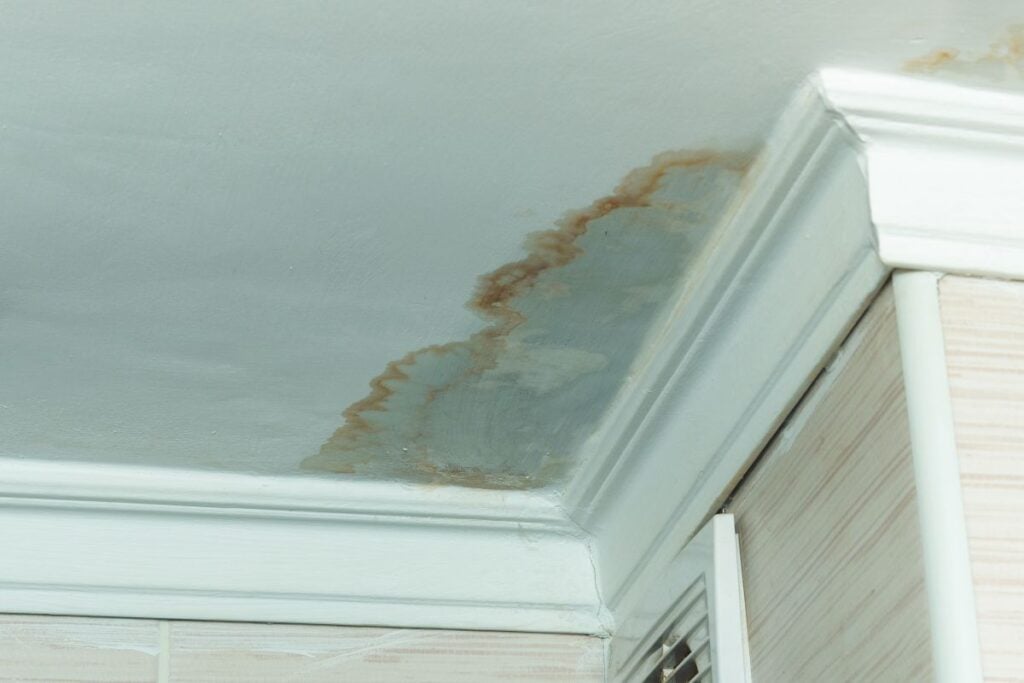
Sometimes, but not always. Direct punctures or major impacts can leak right away. More often, hail loosens shingle seals and granules without causing immediate leaks, and the damage shows up months or years later as the roof ages faster than it should.
Should I get a roof inspection if my neighbors had hail damage?
Yes. If your neighbors took a hit, your roof likely did too. Hail tends to fall in concentrated paths, and homes within a few blocks usually share similar damage. A free inspection from a reputable roofer is the safest way to confirm.
Can I use my old roof claim to file again?
You can file a new claim for new damage, but adjusters will check whether the prior claim’s repairs were actually completed. If you took settlement money for a previous claim and didn’t replace the roof, that history can complicate or deny a new claim.
Why Choose J-Tech Construction & Solar for Your Hail Damage Inspection?
J-Tech Construction & Solar is the trusted name for hail damage roof inspections in Nebraska City and surrounding areas because of more than 20 years of construction experience, a family-owned and locally operated team, and a straightforward approach to telling homeowners what their roof actually needs. Every roof inspection includes a free in-home assessment, transparent written quotes, quick turnaround times, financing options that fit any budget, and warranties on both materials and labor. Whether you’ve just been hit by a storm, found dents on your gutters, or just want a second opinion, the J-Tech team will walk your property, show you what they find, and explain your options without pressure or upselling. Contact J-Tech Construction & Solar today to schedule your free hail damage inspection and find out exactly where your roof stands.