
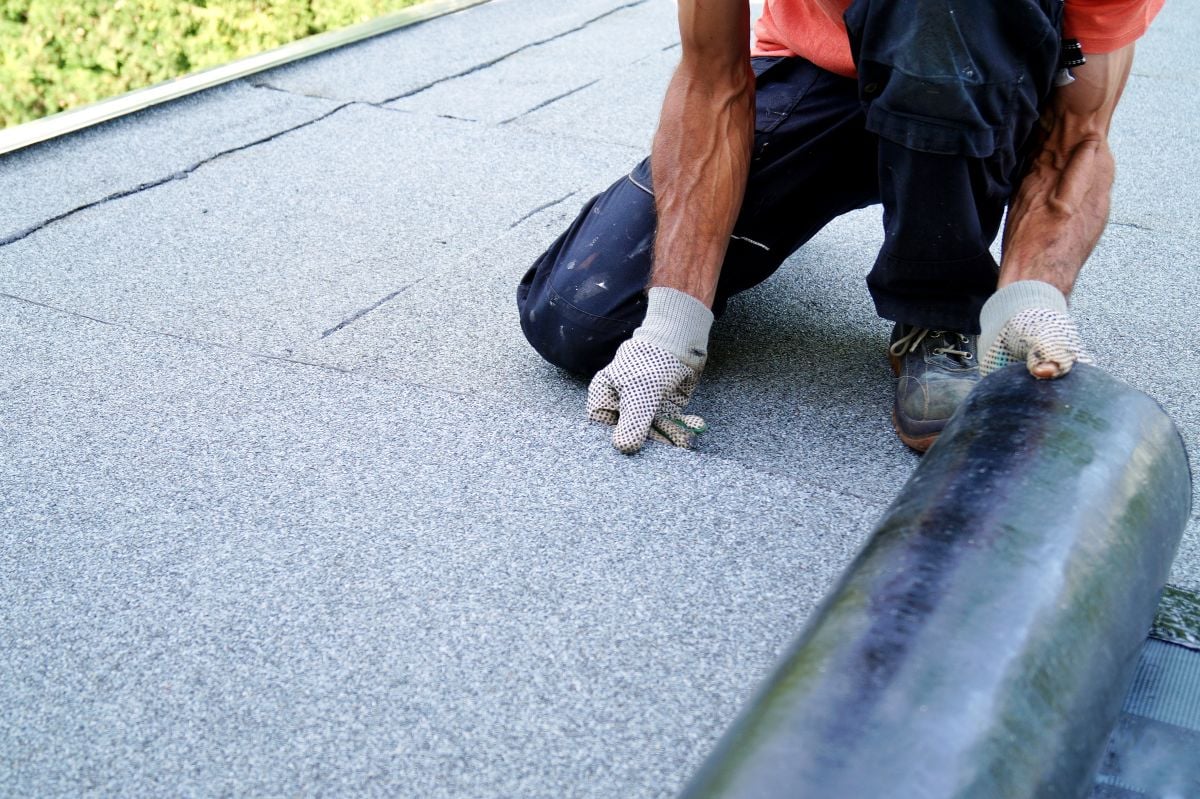
Knowing when to schedule a flat roof replacement can mean the difference between a planned capital expense and an emergency that disrupts tenants, damages inventory, and triggers insurance complications. Commercial property owners in La Vista and surrounding areas managing flat or low-slope roofs, where flat roofs offer various benefits such as cost-effectiveness and space for equipment, typically face this decision every 15 to 30 years, and the four membrane systems dominating the market in 2026 each carry different price points, lifespans, and ideal applications. Choosing the wrong material for your specific building means a system that underperforms its warranty from the first season. This guide compares the four leading commercial flat roof options and walks through the warning signs that signal it’s time to plan replacement, emphasizing that choosing the right roof type is essential for maximizing these benefits.
- Replacement signals: The warning signs commercial property owners should not ignore.
- Material breakdown: TPO, EPDM, PVC, and modified bitumen compared on cost, lifespan, and performance.
- Decision factors: What drives the right choice for your specific building.
Introduction to Flat Roofs
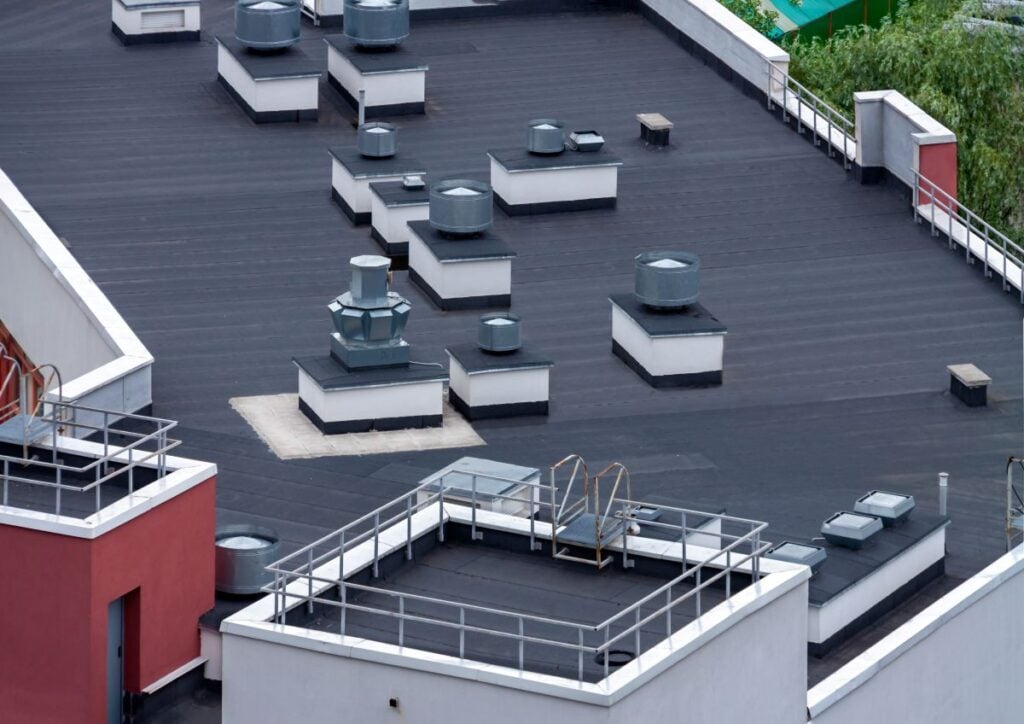
Flat roofs are a defining feature of many commercial buildings and low-slope residential properties, offering a practical and cost-effective solution for maximizing usable space and accommodating HVAC units or solar panels. For property owners, understanding the fundamentals of flat roofs is crucial when it comes to making decisions about roof maintenance, flat roof repairs, or planning a full roof replacement. The flat roof replacement cost can vary widely based on the roofing material selected, the size of the roof, and the complexity of the flat roof project. Consulting with a roofing professional ensures you receive expert guidance tailored to your building’s needs, helping you choose the right system and avoid costly mistakes. Whether you’re managing a large commercial facility or a smaller property, being informed about your flat roof options empowers you to protect your investment and extend the life of your roof.
Understanding Flat Roofing
A flat roofing system is engineered to create a continuous waterproof membrane over the roof deck, shielding the building from rain, snow, and temperature fluctuations. The most common flat roofing materials include single-ply roofing membranes like TPO, EPDM, and PVC, as well as metal roofs and modified bitumen. Each material offers unique benefits and drawbacks, and your choice will directly impact the flat roof replacement cost and long-term performance. Proper drainage is a critical design element, without it, standing water can accumulate, leading to leaks, structural damage, and premature roof failure. Regular roof maintenance, such as clearing debris from drains and inspecting seams, is essential to prevent issues and extend the lifespan of your flat roof. Investing in the right waterproof membrane and maintaining it diligently helps property owners avoid expensive repairs and ensures the roof continues to protect the building for years to come.
When Is It Time to Replace a Flat Roof?
Flat roofs send clear warning signs before they fail completely, and recognizing them early gives commercial property owners time to plan the replacement on their own schedule rather than reacting to an emergency leak. Evaluating the current roof and the existing roof’s condition is essential for planning and accurately estimating the overall cost of a flat roof replacement.
A thorough inspection of the existing roof is crucial before any replacement work begins, including assessment of the membrane condition, flashing integrity, drainage system functionality, and the underlying structure.
What Are the Warning Signs of a Failing Flat Roof?
The most common warning signs include persistent ponding water that lasts more than 48 hours after rain, visible blisters or bubbles in the membrane, separated or open seams, granule loss on modified bitumen surfaces, and interior staining on ceiling tiles below the roof. Regular foot traffic and natural wear and tear can accelerate these issues, leading to more frequent repairs or the need for flat roof replacement. Membrane shrinkage is another red flag, since most single-ply systems pull tight as they age and start to expose flashing at parapets and curbs. Roofs approaching their warranty expiration deserve professional inspection regardless of visible condition, since failures often accelerate sharply in the final 2 to 3 years of service life. For commercial properties in La Vista and surrounding areas, freeze-thaw cycles compound every weakness in an aging membrane. Catching these signs at year 18 of a 20-year roof beats reacting at year 22.
- Ponding water: Standing water more than 48 hours after rain.
- Membrane issues: Blisters, bubbles, separated seams, granule loss.
- Interior signs: Ceiling stains, drips, or musty odors below the roof.
- Age-based inspection: Schedule professional review near warranty expiration.
Flat roofs are particularly vulnerable to leaks due to structural movement, which can cause cracks and splits that compromise their waterproofing capabilities.
Importance of Proper Drainage
Proper drainage is one of the most important factors in the longevity and performance of any flat roof. Because flat roofs have little to no slope, water doesn’t naturally run off as quickly as it does on pitched roofs. Effective drainage systems, such as scuppers, downspouts, and internal gutters—are essential to channel water away from the roof surface and prevent standing water. When water pools on a flat roof, it increases the risk of leaks, accelerates membrane deterioration, and can even cause structural damage to the roof deck and underlying structure. Regular maintenance, including clearing debris from drainage systems and checking for blockages, is vital to keep water flowing freely. Scheduling a free roof inspection with a roofing professional can help identify any drainage issues early, allowing for timely repairs and recommendations to improve your flat roof’s performance and prevent costly water-related damage.
4 Flat Roof Material Options for 2026
Below is the numbered breakdown of the four flat roof membrane systems most commonly specified for commercial buildings in 2026. Selecting the right roofing membrane is crucial for both optimal performance and lifespan extension, as it directly impacts water resistance, durability, and maintenance needs. Some systems also offer additional protection through underlayments or coatings, which can enhance moisture resistance and extend the roof’s durability. Each entry covers cost, lifespan, ideal application, and the trade-offs commercial property owners should weigh, including how multiple layers in certain systems (such as modified bitumen) can affect project costs and complexity. Updated materials for flat roofing can also significantly reduce energy use by improving insulation and reflectivity, decreasing the need for air conditioning in warmer months.
1. TPO (Thermoplastic Polyolefin) – The Market Leader
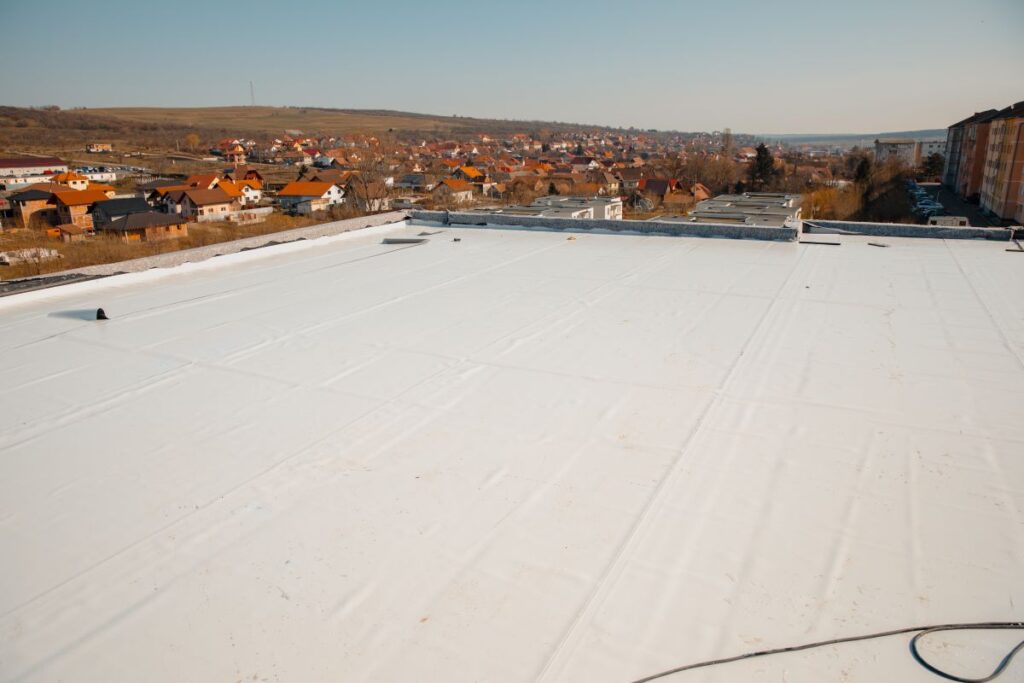
TPO has captured the largest share of commercial flat roof installations in North America thanks to its combination of energy efficiency, heat-welded seam reliability, and competitive pricing. The single-ply membrane comes in 45-, 60-, and 80-mil thicknesses, with 60-mil being the industry standard for most commercial applications. TPO’s white reflective surface achieves solar reflectance values of 0.79 to 0.87, which exceeds ENERGY STAR cool roof requirements and qualifies many systems for utility rebates. According to the U.S. Department of Energy, conventional roofs can reach 150°F or more on sunny summer afternoons, while reflective roofs can stay more than 50°F cooler under the same conditions. TPO is the strongest fit for large, flat surfaces with minimal detail complexity.
- Installed cost: $6 to $10 per square foot in 2026.
- Lifespan: 20 to 30 years with proper installation.
- Best for: Large, simple commercial roofs prioritizing energy efficiency.
- Limitations: Heat-welded seams demand skilled installers at penetrations.
2. EPDM (Ethylene Propylene Diene Monomer) – The Proven Workhorse
EPDM has been used in commercial roofing for over 60 years and remains a top choice for property owners prioritizing long lifespan and cold-weather performance. The synthetic rubber membrane comes in 45- to 90-mil thicknesses and is typically black, though white EPDM is available for improved reflectivity. EPDM stays flexible at temperatures as low as -40°F, which makes it especially well-suited to Nebraska’s freeze-thaw cycles. Seams are joined with adhesives or tape rather than heat welding, which is faster but more vulnerable to long-term failure than thermoplastic alternatives. Black EPDM absorbs heat and can increase summer cooling costs, so commercial property owners in hot climates often pair it with light-colored ballast or specify the white version. Repairs are simple and inexpensive when the membrane does fail.
- Installed cost: $5.50 to $8.50 per square foot in 2026.
- Lifespan: 25 to 30 years; some installations exceed 40 years.
- Best for: Cold climates, large open roofs, owners prioritizing proven longevity.
- Limitations: Black version absorbs heat; seam adhesives can fail over time.
3. PVC (Polyvinyl Chloride) – The Premium Performer
PVC is the longest-tracked single-ply membrane, with 30 to 40 years of documented field performance and superior chemical resistance compared to TPO and EPDM. The white reflective surface delivers strong cool-roof performance, qualifying for ENERGY STAR ratings and utility rebates. Heat-welded seams create exceptionally durable bonds that often outlast the membrane itself when installed correctly. PVC is the preferred choice for restaurants, food processing facilities, manufacturing plants, and any commercial building exposed to grease, chemical fumes, or animal fats, since these contaminants degrade other membranes quickly. PVC is also valued for its low maintenance requirements, which contribute to long-term cost savings despite the higher initial investment. The trade-off is upfront cost, with PVC running 20% to 40% more than TPO. For commercial property owners planning long-term ownership of a building with chemical exposure, the premium typically pays back through extended lifespan.
- Installed cost: $7 to $12 per square foot in 2026.
- Lifespan: 30 to 40 years with proper maintenance.
- Best for: Restaurants, food processing, chemical-exposure buildings.
- Limitations: Higher upfront cost; can stiffen over decades in cold climates.
4. Modified Bitumen – The Multi-Ply Veteran
Modified bitumen evolved from traditional built-up roofing and remains popular for commercial applications where multi-layer redundancy and hail resistance matter most. The asphalt-based membrane is reinforced with polymers (SBS for cold-climate flexibility or APP for heat resistance) and installed in 2 or 3 plies, which means a hailstone that compromises the cap sheet doesn’t automatically create a leak. Installation methods include torch-applied, cold-applied adhesives, and self-adhering sheets, with self-adhering systems eliminating fire risk on occupied buildings. Modified bitumen handles complex roof details like parapet walls and HVAC penetrations better than most single-ply systems thanks to its multi-layer structure. The trade-off is shorter lifespan than premium single-ply options and lower energy efficiency unless paired with a reflective cap sheet.
- Installed cost: $5 to $9 per square foot in 2026.
- Lifespan: 15 to 25 years depending on ply count and installation.
- Best for: Hail-prone regions, complex roofs with many penetrations.
- Limitations: Shorter lifespan; torch-applied versions carry fire risk.
What to Expect from a Complete Tear Off
A complete tear off is a comprehensive approach to flat roof replacement that involves removing all old roofing materials down to the roof deck before installing a new roofing system. This process allows for a thorough inspection of the roof deck and underlying structure, ensuring any hidden damage or moisture issues are addressed before the new, energy efficient system is installed. The cost of a complete tear off can vary depending on the size of the roof, the type and number of layers being removed, and the new roofing material chosen. Working with an experienced roofer is essential, they will provide a detailed estimate, manage proper disposal of old materials, and ensure the new system is installed to meet current building codes and manufacturer specifications. The numerous benefits of a complete tear off include improved structural integrity, enhanced energy efficiency, and the peace of mind that comes from knowing your new flat roof is built on a solid foundation.
How Should Commercial Property Owners Choose?
Material selection comes down to building use, climate exposure, ownership horizon, and total cost of ownership rather than upfront price alone. The right material for a 200,000-square-foot warehouse may be entirely wrong for a 5,000-square-foot restaurant.
What Factors Drive the Right Decision?
The biggest factors are roof size and complexity, climate, building use, ownership timeline, and energy goals. Large simple roofs reward TPO and EPDM, where the field area benefits from fast installation and lower per-square-foot pricing. Roofs with extensive parapets, HVAC equipment, and penetrations often perform better with modified bitumen because the multi-ply system handles detail work more reliably. Commercial property owners planning to hold the building 25+ years often justify the PVC premium through extended lifespan and lower replacement frequency. Owners selling within 5 to 10 years may prioritize a system that meets warranty requirements at lower upfront cost. Climate matters too, with cold-flexible EPDM and SBS-modified bitumen outperforming alternatives in freeze-thaw zones.
- Roof complexity: Simple roofs favor TPO/EPDM; complex roofs favor modified bitumen.
- Climate fit: EPDM and SBS-modified bitumen handle cold climates best.
- Ownership timeline: Long-term owners benefit most from PVC’s lifespan.
- Energy goals: TPO and PVC qualify for ENERGY STAR cool-roof ratings.
Importance of Final Inspections
A final inspection is a crucial step in the flat roof replacement process, ensuring that your new roofing system has been installed correctly and meets all quality standards. During this inspection, a roofing professional will thoroughly examine the entire flat roof, checking for proper installation of seams, flashing, drainage systems, and overall workmanship. Any defects or issues can be identified and addressed before the project is considered complete, helping to prevent leaks or other problems that could arise later. A comprehensive final inspection not only protects your investment but also supports warranty coverage and long-term roof performance. By working with a reputable roofing professional who stands behind their work, property owners can achieve substantial savings over the lifespan of the roof, minimize the risk of future repairs, and ensure their flat roof continues to provide reliable protection for years to come.
Frequently Asked Questions
How long does a commercial flat roof replacement take?
A typical commercial flat roof replacement takes 3 to 14 days depending on roof size, weather, and complexity. A 10,000-square-foot single-ply installation usually completes in 5 to 7 days with a full crew, while complex multi-tenant buildings or extensive insulation work can extend the timeline. Most installations are scheduled to minimize tenant disruption.
Can I install a new flat roof over an existing one?
Yes, a recover (or overlay) is sometimes possible if the existing roof has only one layer, the deck is structurally sound, and there’s no significant moisture trapped underneath. Recovers typically save 20% to 40% over full tear-off but are not appropriate for every building. A professional moisture survey is required before recommending an overlay.
What’s the most energy-efficient flat roof material?
White TPO and PVC membranes are the most energy-efficient flat roof materials, with reflective surfaces that meet ENERGY STAR cool roof requirements and can reduce summer cooling costs by 10% to 30% in hot climates. Spray polyurethane foam (SPF) also performs well thanks to its seamless insulating properties.
How often should a commercial flat roof be inspected?
Commercial flat roofs should be professionally inspected at least twice per year, ideally in spring and fall, plus after any significant storm event. Annual inspections are required to maintain most manufacturer warranties. Routine inspections catch flashing failures, seam lifts, and ponding issues before they become leaks.
What’s the difference between TPO and PVC?
TPO and PVC are both single-ply thermoplastic membranes with heat-welded seams, but PVC has 20+ more years of documented field performance, better chemical resistance, and a higher price tag. TPO is generally chosen for general commercial applications, while PVC is preferred for restaurants, food processing, and chemical-exposure buildings.
Are commercial flat roofs covered by insurance?
Commercial flat roofs are typically covered under your commercial property insurance for damage from covered perils like wind, hail, and fire. Coverage and deductibles vary significantly by policy, and many carriers settle older flat roofs on actual cash value rather than replacement cost. Review your policy with your agent before damage occurs.
Why Choose J-Tech Construction & Solar for Your Commercial Flat Roof?
J-Tech Construction & Solar is the trusted name for commercial flat roof replacement in La Vista and surrounding areas because of more than 20 years of construction experience, a family-owned and locally operated team, and deep familiarity with TPO, EPDM, PVC, and modified bitumen systems. Every commercial roof inspection includes a free property assessment, transparent written quotes that compare material options side by side, scheduling that minimizes tenant disruption, financing options that fit any budget, and warranties backed by both the manufacturer and J-Tech’s workmanship. Whether you’re managing a single retail property, a multi-tenant office building, or an industrial facility, the J-Tech team helps you choose the right system for your roof, your tenants, and your long-term plans. Contact J-Tech Construction & Solar today to schedule your free commercial flat roof estimate and find out which membrane system delivers the right balance of cost, performance, and longevity for your property.