
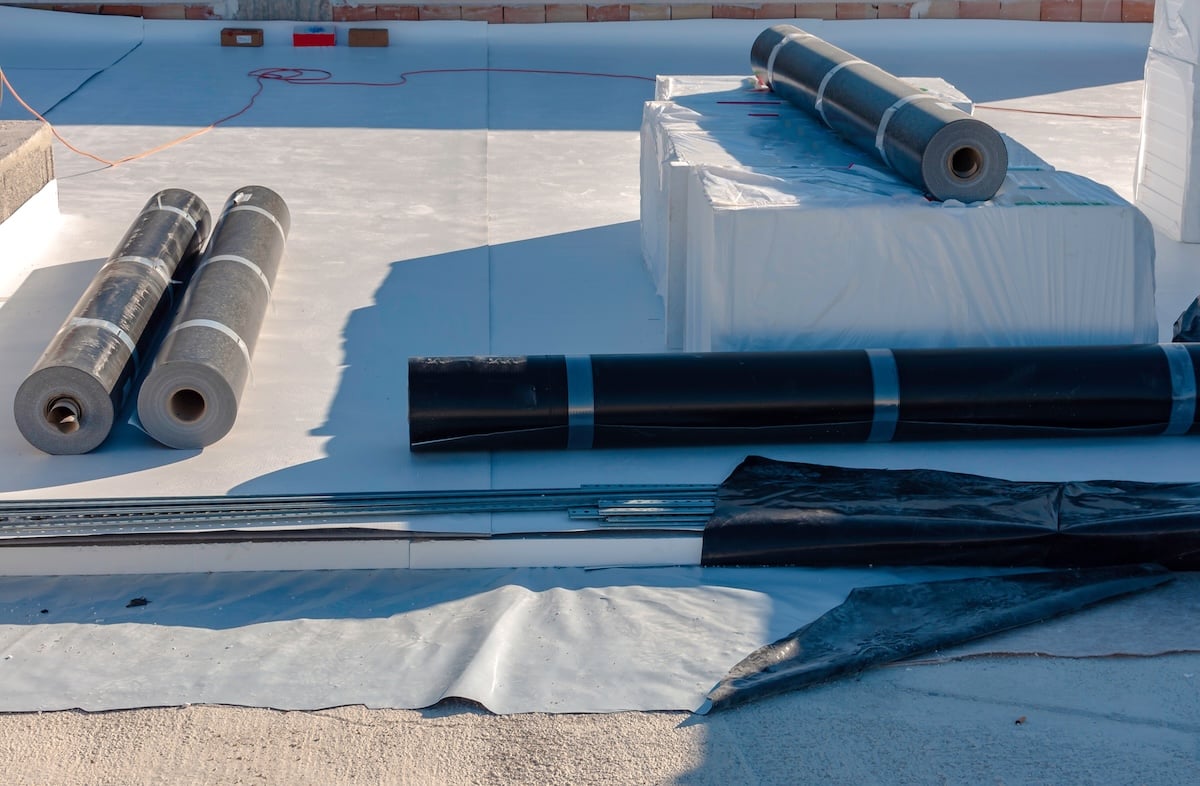
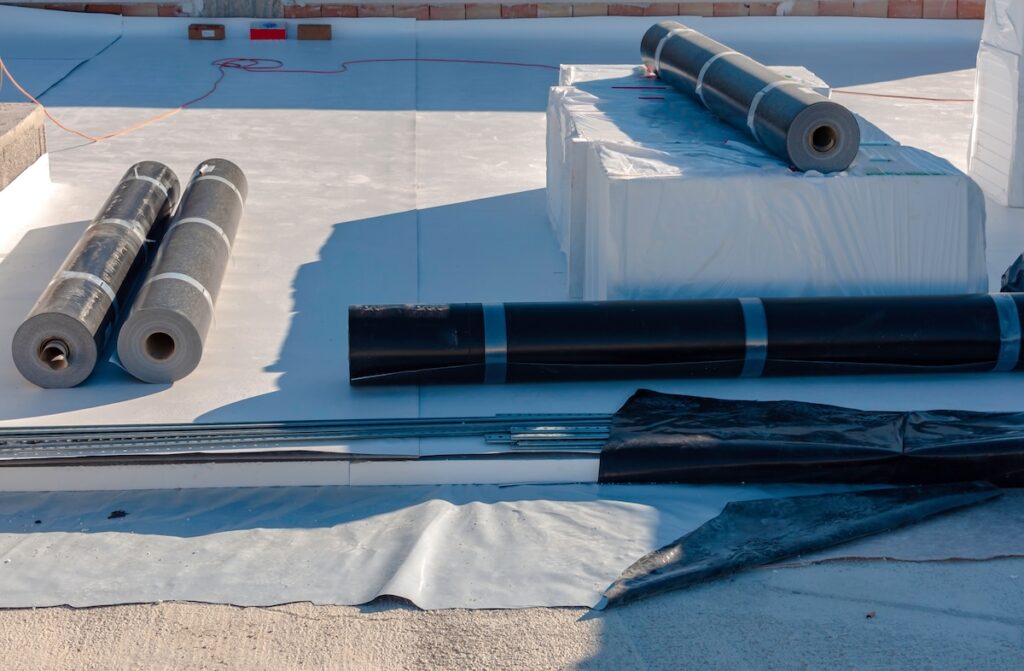
When it comes to protecting your commercial building, choosing the right flat roof materials is one of the most important decisions you can make. A high-quality flat roofing system not only safeguards your property from leaks and structural damage but also improves energy efficiency and long-term performance. For business owners in Omaha and surrounding areas, the right roofing material can mean the difference between frequent repairs and decades of dependable protection.
- Longevity: Durable materials reduce maintenance costs and extend roof lifespan.
- Energy Efficiency: Reflective roofing surfaces can lower cooling costs.
- Business Continuity: Fewer leaks and issues mean less downtime for your operations.
Why Flat Roofing Matters for Commercial Properties
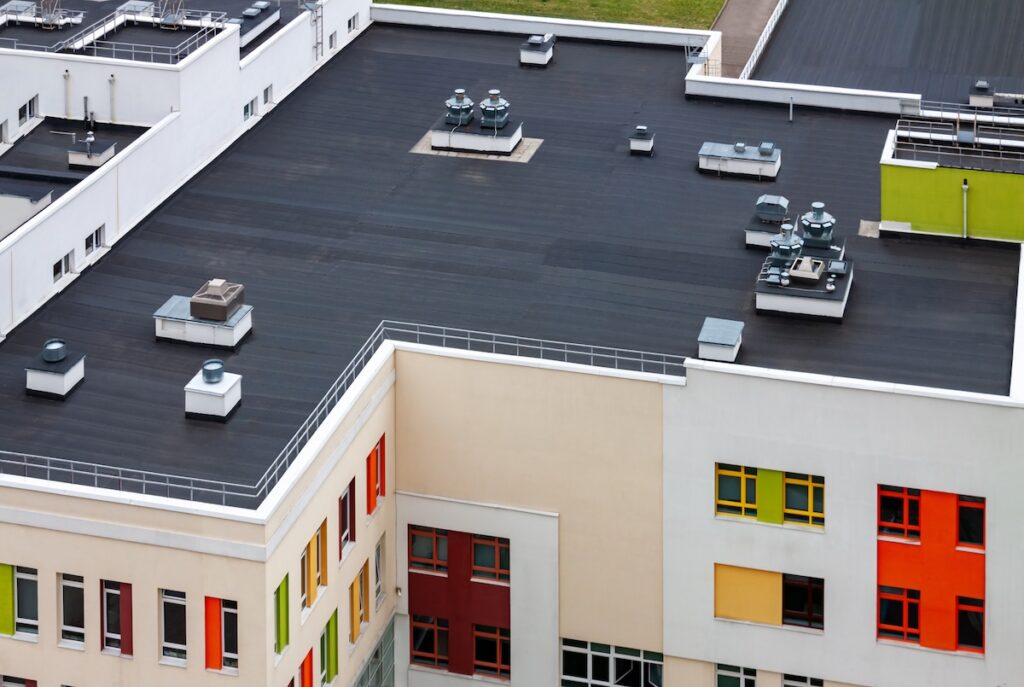
Flat roofs are a staple of commercial construction because they offer usable space, cost efficiency, and ease of installation for large buildings. However, they also require specialized materials to prevent water pooling, punctures, and thermal damage. Flat roofs don’t shed water as easily as sloped roofs, so proper drainage, insulation, and waterproofing are essential.
In Omaha and surrounding areas, flat roof performance is heavily influenced by temperature extremes, snow loads, and strong winds. The right material helps your roof resist UV exposure, reduce heat absorption, and maintain flexibility even in fluctuating conditions. Business owners who invest in quality flat roofing save significantly over time through reduced maintenance and energy bills.
Common Flat Roof Challenges
Before choosing a material, it’s helpful to understand what flat roofs are up against.
- Water Pooling: Even slight depressions can collect water, leading to leaks.
- Thermal Expansion: Heat causes roofing materials to expand and contract, creating cracks or gaps.
- UV Damage: Continuous sun exposure can degrade roofing membranes over time.
- Foot Traffic: Maintenance workers or HVAC technicians can accidentally cause punctures or tears.
3 Best Flat Roof Materials for Commercial Buildings
To make the best investment for your business, it’s important to evaluate which roofing material aligns with your property’s needs and budget. Below are three of the best flat roof materials available in 2026—each offering exceptional durability, energy efficiency, and protection for Nebraska’s commercial environments.
1. TPO (Thermoplastic Polyolefin) Roofing
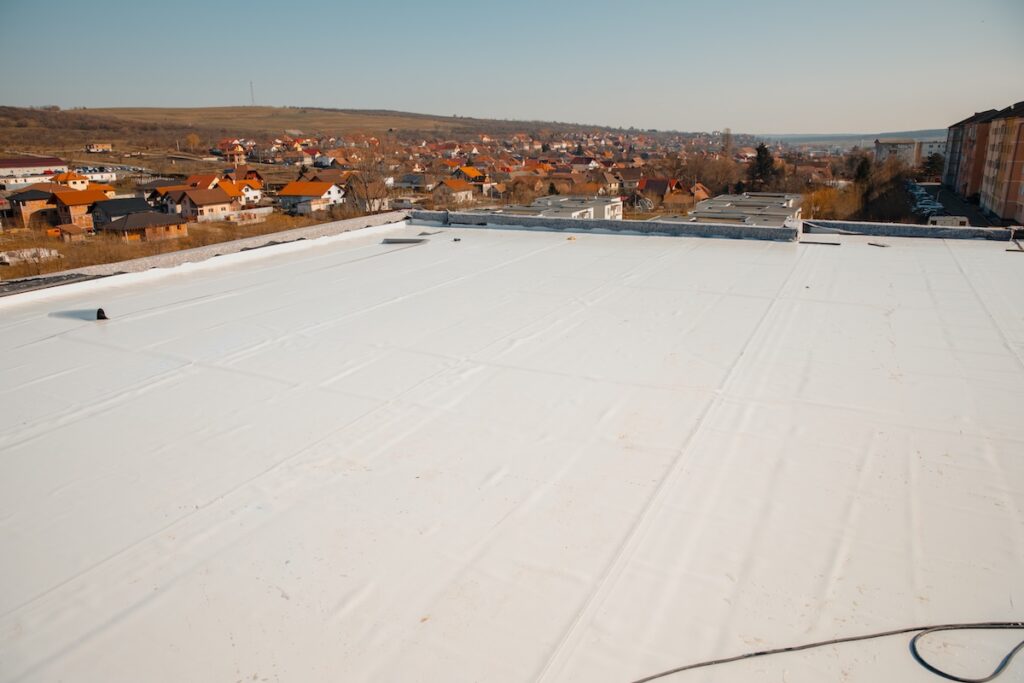
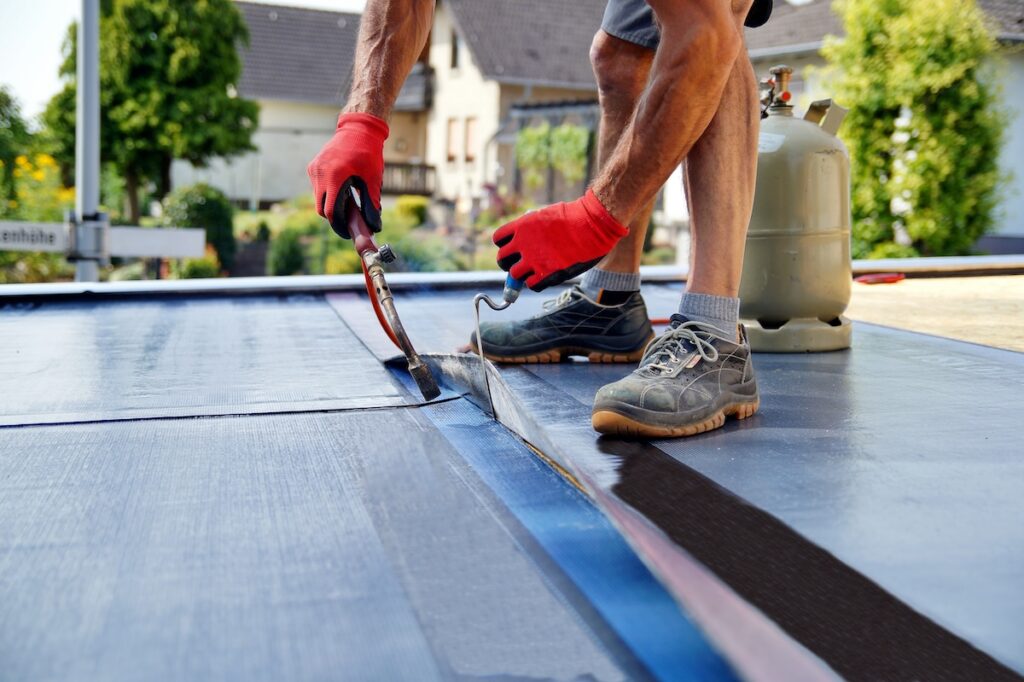
TPO has become one of the most popular flat roof materials for commercial buildings due to its affordability, reflectivity, and energy performance. This single-ply membrane is heat-welded at the seams, creating a watertight seal that prevents leaks and withstands UV damage.
TPO’s white surface reflects sunlight, reducing interior heat gain and cutting cooling costs—an important factor for large commercial spaces. It’s also resistant to punctures, algae growth, and chemical exposure, making it ideal for restaurants, warehouses, and office complexes.
- Durability: Resistant to punctures, dirt, and debris buildup.
- Energy Efficiency: Highly reflective surface reduces cooling expenses.
- Low Maintenance: Easy to clean and maintain over time.
- Lifespan: Typically lasts 20–30 years when properly installed.
2. EPDM (Ethylene Propylene Diene Monomer) Roofing
EPDM is another trusted flat roofing solution known for its flexibility, weather resistance, and cost-effectiveness. Made from a durable synthetic rubber membrane, EPDM adapts well to both hot and cold climates, making it ideal for the varied weather patterns in Omaha and surrounding areas.
Its dark surface helps absorb heat in the winter months, which can improve building insulation and reduce heating costs. EPDM’s elasticity allows it to expand and contract without cracking, even under heavy snow or UV exposure.
- Versatility: Suitable for both new roofs and re-roofing projects.
- Weather Resistance: Performs well against hail, snow, and rain.
- Ease of Repair: Damaged areas can often be patched quickly.
- Longevity: Offers 25–35 years of service with regular maintenance.
3. PVC (Polyvinyl Chloride) Roofing
PVC roofing is a premium single-ply membrane known for its strength, fire resistance, and long-term performance. It’s reinforced with polyester or fiberglass for added stability, making it ideal for buildings exposed to chemicals, grease, or heavy rooftop equipment.
PVC is heat-welded during installation, forming airtight seams that provide superior leak protection. Its reflective white surface improves energy efficiency and helps meet energy code requirements for commercial properties.
- Durability: Highly resistant to punctures, chemicals, and fire.
- Energy Efficiency: Reflective surface reduces cooling costs year-round.
- Environmental Benefits: Many PVC systems are recyclable at the end of their life cycle.
- Lifespan: Can last 30 years or more with proper care.
TPO vs. EPDM vs. PVC
| Feature | TPO | EPDM | PVC |
| Average Lifespan | 20–30 years | 25–35 years | 30+ years |
| Energy Efficiency | Excellent (reflective) | Moderate | Excellent (reflective) |
| Chemical Resistance | Good | Fair | Excellent |
| Flexibility in Cold Weather | Moderate | Excellent | Good |
| Maintenance Needs | Low | Low | Low |
| Cost Range (per sq. ft.) | $5–$8 | $4–$7 | $7–$10 |
This comparison highlights that all three materials provide strong protection, but the right choice depends on your business’s environment and operational needs. For example, restaurants and industrial facilities often prefer PVC for its chemical resistance, while warehouses and retail buildings may opt for TPO or EPDM for energy savings and affordability.
Factors To Consider When Choosing Flat Roof Materials
When selecting your next commercial roofing system, it’s important to think beyond initial cost and consider long-term performance.
- Building Type: A warehouse may need insulation and energy savings, while a restaurant may need grease and chemical resistance.
- Foot Traffic: Roofs that require frequent maintenance access should have puncture-resistant membranes.
- Local Weather: Materials should withstand Nebraska’s freeze-thaw cycles, wind, and UV exposure.
- Installation Quality: Even the best materials can fail if not properly installed.
Working with experienced roofing professionals ensures you get the best product and installation method for your specific property.
Protect Your Business With the Right Flat Roof System
Choosing the right flat roof materials is essential for safeguarding your commercial property and minimizing future maintenance costs. Whether you operate a warehouse, office building, or retail center in Omaha and surrounding areas, J-Tech Construction & Solar can help you find the best roofing solution for your needs.
Contact J-Tech Construction & Solar today for a free estimate and learn how our expert team can install a durable, energy-efficient flat roof designed to protect your business for decades to come.