
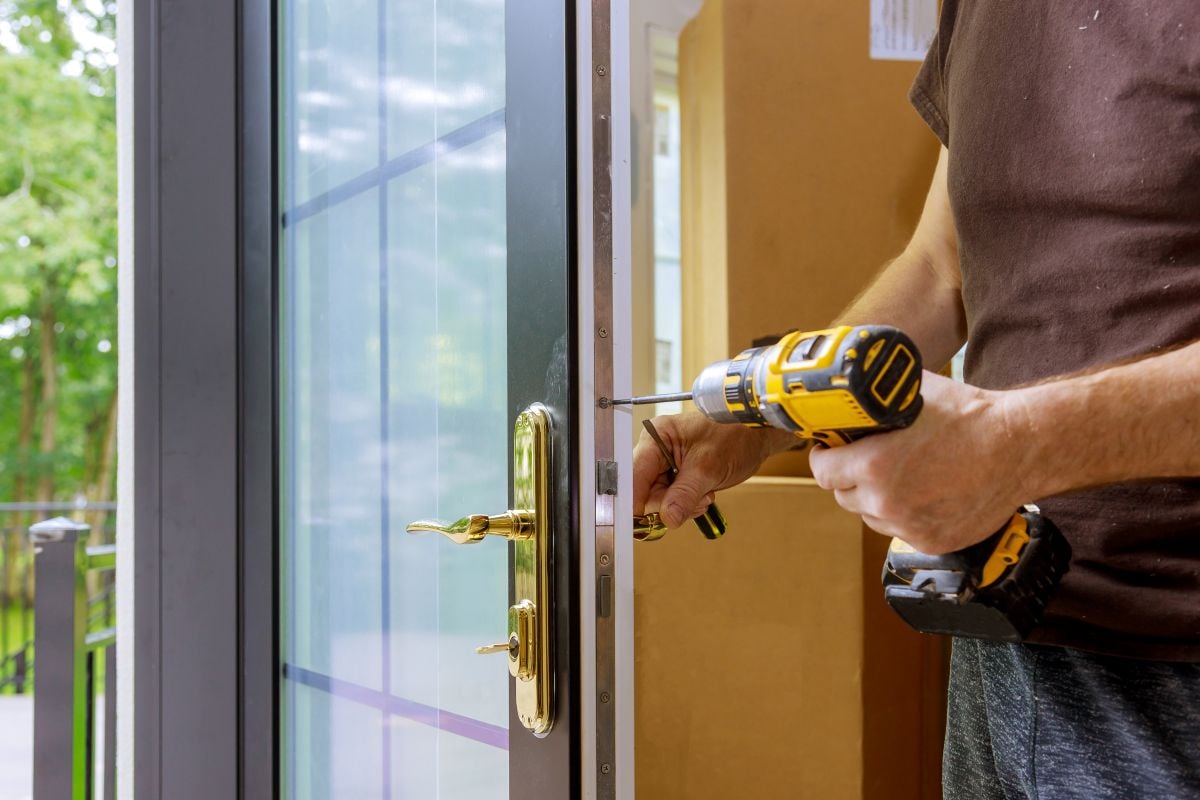
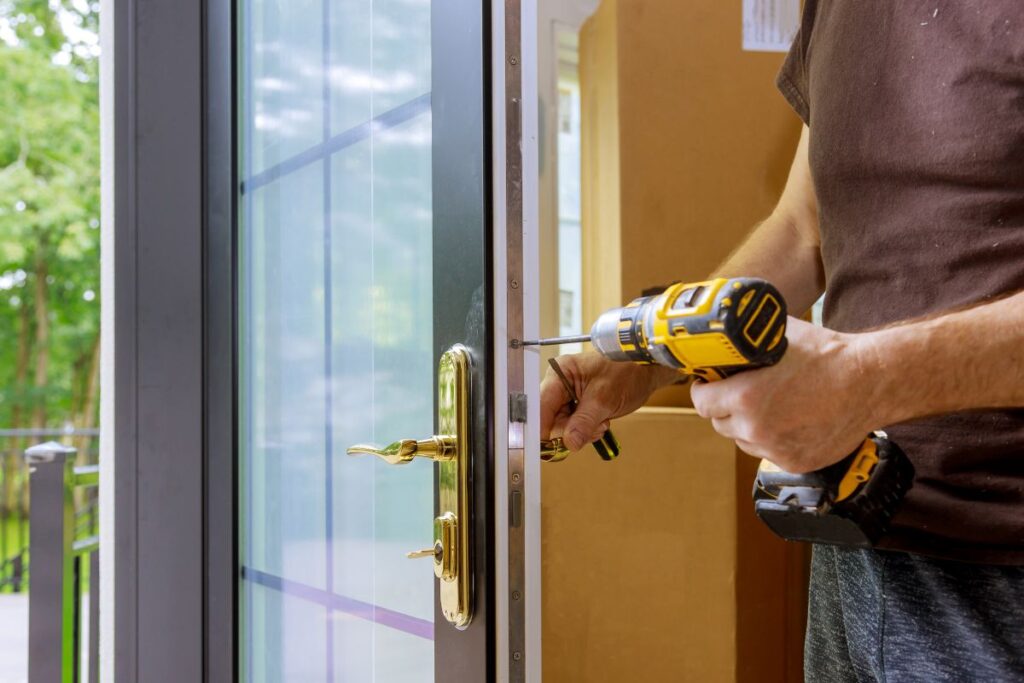
Entry door replacement cost in 2026 typically lands between $1,200 and $6,000 installed, with most Lincoln and surrounding areas homeowners spending around $2,400 for a quality steel or fiberglass front door. That range covers the door itself, removal of the old unit, framing adjustments, weatherstripping, hardware, and professional installation. Material choice, glass options, and sidelights can swing the final number by thousands, which is why a real written quote always beats an online average. This guide walks through what actually drives the price, where homeowners tend to overspend, and how to plan a budget that holds up when the contractor arrives.
- Realistic price ranges: A breakdown of what steel, fiberglass, and wood entry doors actually cost installed in 2026.
- Hidden cost drivers: The framing, glass, and hardware upgrades that quietly add 20% to 40% to your final invoice.
- ROI and timing: Why a new front door is one of the highest-returning upgrades you can make this year.
What Does an Entry Door Replacement Actually Include in 2026?
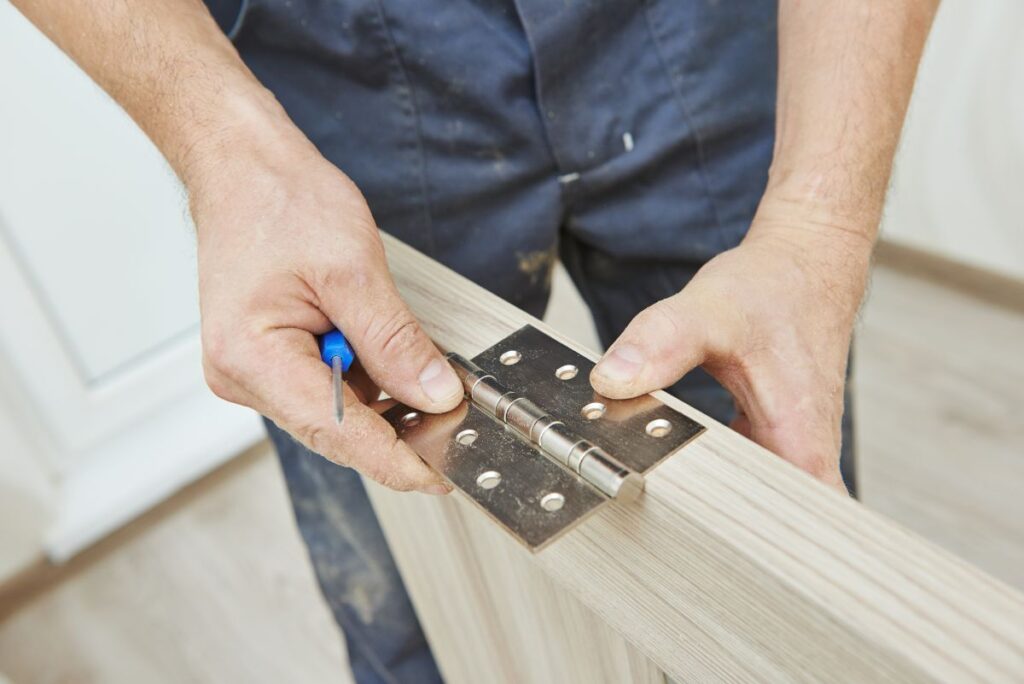
A complete entry door replacement can range from swapping out just the door to a more comprehensive project involving the door frame and surrounding structure. Understanding whether you need just the door or a full replacement including the door frame is crucial for building an accurate budget. Before starting, it’s important to inspect the existing door frame for any signs of damage, misalignment, or rot. A thorough inspection can reveal hidden issues that may require additional repairs or adjustments, significantly impacting the overall project scope and cost. Most homeowners are surprised to learn that labor, framing work, and finish details often account for nearly half of the total invoice.
What Is Included in a Standard Installed Price?
A standard installed price covers the prehung door system, removal and disposal of the old door, weatherstripping, threshold adjustment, basic hardware, and labor to set the unit plumb and square. Most reputable contractors in Lincoln and surrounding areas bundle these items into one written quote so there are no surprises on installation day. However, installation labor is often a separate cost from the door itself and is essential for ensuring a proper, weather-tight fit. Average installation costs for replacing an entry door range from $200 to $600, though the labor portion alone can run between $400 and $1,000 depending on the complexity of the opening, the condition of the existing frame, and whether the new door requires any structural adjustments. A standard 36-inch single prehung door in good framing usually takes four to six hours to install correctly, while custom sizes or out-of-square openings can stretch the job into a full day.
- Door slab and frame: The prehung unit comes as a single assembly with the slab already hung in a new jamb.
- Old door removal: Tear-out and haul-away of the existing door, jamb, and weatherstripping.
- Weatherstripping and sealing: Foam backer rod, exterior caulk, and a fresh sweep at the threshold.
- Basic hardware: A passage handle and deadbolt, though premium locksets are usually priced separately.
- Labor and adjustment: Shimming, leveling, and final adjustments to ensure a tight seal.
Why Does a Prehung Door Cost More Than a Slab Replacement?
A prehung door costs more than a slab replacement because it includes the frame, hinges, and threshold, which guarantees a square fit and a tight weather seal. Slab-only swaps look cheaper at first glance, often saving $300 to $700, but they only work when the existing frame is in excellent condition. In older homes around Lincoln and surrounding areas, frames are frequently warped, rotted at the bottom, or out of plumb after decades of settling. Installing a new slab into a compromised frame leads to drafts, sticking doors, and lock alignment problems within months. For most homeowners, the prehung route is the better long-term value because it resets the entire opening and gives the installer a clean starting point.
- Frame condition: Prehung doors solve rot, warping, and out-of-square openings in one step.
- Weather seal: New jambs, sweeps, and weatherstripping work together for maximum efficiency.
- Long-term durability: A fresh frame typically lasts 20 to 30 years before needing attention.
- Easier installation: Pros can plumb and shim the unit faster than custom-fitting a slab.
How Much Do Different Entry Door Materials Cost?
Material choice is the single largest variable in your entry door budget, with material costs being a significant factor in the overall expense of entry door replacement. Prices in 2026 reflect both supply chain stabilization and rising labor costs. The four main material categories each carry distinct price points, lifespans, and maintenance requirements that shape both the long-term value of the investment and the ongoing upkeep costs.
5 Common Entry Door Materials and Their 2026 Installed Prices
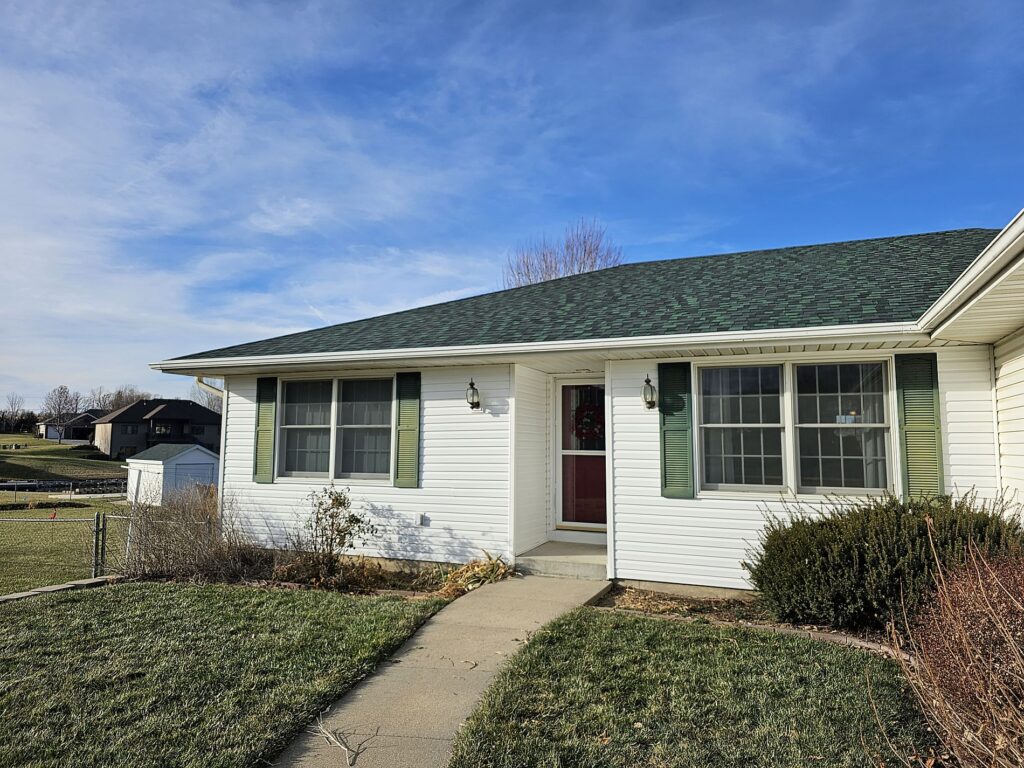
Below is a numbered breakdown of the materials most homeowners weigh when shopping for a new front door, including realistic installed price ranges for 2026.
1. Steel Entry Doors ($500 to $2,500 Installed)
Steel entry doors offer the best balance of security, energy efficiency, and price, which is why they consistently rank as the most popular choice nationwide. A quality 24-gauge or 20-gauge steel door with a polyurethane foam core delivers strong insulation values, often R-5 to R-7, and resists warping in Nebraska’s freeze-thaw cycles. Steel doors do dent more easily than fiberglass and can show rust at the bottom edge if the paint chips, so periodic touch-ups matter. For homeowners prioritizing security and a tight budget, steel is hard to beat. Most installations in this category run quickly, often completed in a half day.
- Price range: $500 to $2,500 installed depending on gauge, finish, and glass.
- Lifespan: 25 to 30 years with periodic repainting.
- Energy rating: R-5 to R-7 for foam-filled cores.
- Best for: Budget-conscious homeowners who want strong security and decent insulation.
2. Fiberglass Entry Doors ($1,000 to $4,500 Installed)
Fiberglass entry doors are the fastest-growing category in 2026 because they mimic real wood grain while resisting dents, rot, and warping. The composite skin won’t rust like steel and won’t crack like wood, which makes fiberglass particularly well-suited to the temperature swings homeowners deal with in Lincoln and surrounding areas. Most fiberglass doors carry R-values between R-6 and R-10, beating both steel and wood for energy performance. Fiberglass doors, which can cost between $1,500 and $9,000, are popular for their durability and ability to mimic the look of wood, while being low-maintenance and energy-efficient. The trade-off is price, with mid-range fiberglass typically running $1,000 to $2,500 more than comparable steel. Top brands like Therma-Tru, Pella, and Masonite offer 10- to 20-year warranties on the door itself.
- Price range: $1,000 to $4,500 installed depending on finish and glass.
- Lifespan: 30 to 40 years with minimal, low maintenance.
- Energy rating: R-6 to R-10, the highest of any common door material.
- Best for: Homeowners who want the look of wood without the upkeep and prefer a low-maintenance option.
3. Wood Entry Doors ($1,500 to $6,000 Installed)
Wood entry doors deliver unmatched curb appeal and a sense of craftsmanship that synthetic materials cannot quite replicate. Solid mahogany, oak, and alder doors are the most common premium choices, with custom carved or arched designs pushing pricing well past $6,000. Wood doors are the most expensive option, with prices ranging from $2,000 to $12,000, and require frequent maintenance like sealing and refinishing due to their exposure to the elements. The downside is maintenance requirements, since wood requires refinishing every two to four years to prevent moisture damage, fading, and cracking. In direct sun or under a shallow porch overhang, that maintenance window shrinks. Wood is the right call for historic homes, custom builds, and buyers who prioritize aesthetics over long-term ease.
- Price range: $2,000 to $12,000 installed, depending on design and customization.
- Lifespan: 30+ years with proper refinishing every 2 to 4 years.
- Energy rating: R-2 to R-3, the lowest of common materials.
- Maintenance requirements: Frequent sealing and refinishing needed to protect against weather and wear.
- Best for: Historic homes, custom architecture, and buyers focused on appearance.
4. Wrought Iron Entry Doors ($2,500 to $10,000+ Installed)
Wrought iron doors sit at the top of the price ladder and bring a distinctive, security-forward look that suits modern, Mediterranean, and luxury home styles. Most iron doors include decorative glass panels, operable vents, and powder-coated finishes that resist rust for decades. Installation is more involved because iron units are heavy, often weighing 300 to 600 pounds, and may require reinforced framing or upgraded hinges. Lead times can stretch four to twelve weeks since most iron doors are made to order. For homeowners building or remodeling a high-end property, the security and visual impact often justify the premium.
- Price range: $2,500 to $10,000+ installed.
- Lifespan: 50+ years with occasional touch-up on the finish.
- Energy rating: Varies widely; insulated glass is essential for performance.
- Best for: Luxury homes and properties prioritizing security and statement design.
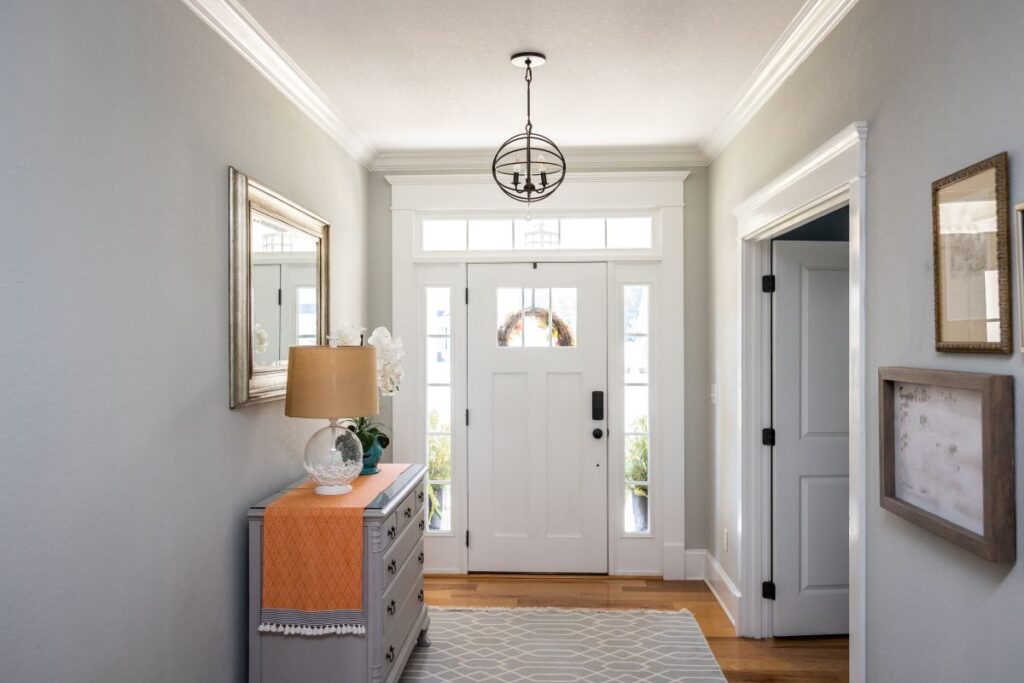
5. Doors with Sidelights or Transoms ($2,000 to $8,000+ Installed)
Adding sidelights or a transom to your entry door transforms a standard opening into a grand entry, but the upgrade easily doubles the budget. Sidelights are the narrow glass panels flanking the door, and transoms are the horizontal windows above. Each addition requires reframing the rough opening, which adds labor, lumber, and finish work. Energy-efficient Low-E glass is strongly recommended for these features since glass area increases heat transfer significantly. The U.S. Department of Energy notes that exterior doors can contribute significantly to air leakage and waste energy through conduction, especially when older, uninsulated, or improperly sealed, which is why upgrading to a properly installed insulated door with quality weatherstripping is one of the more impactful efficiency moves a homeowner can make.
- Price range: $2,000 to $8,000+ installed depending on glass area.
- Reframing required: Yes, which adds 4 to 8 hours of labor.
- Energy consideration: Specify Low-E, argon-filled, double-pane glass.
- Best for: Homes with wide foyers or two-story entries that benefit from natural light.
What Hidden Costs Should You Plan For?
Beyond the door and labor, several smaller line items can quietly inflate the final invoice if you don’t ask about them upfront. Building a buffer of 15% to 20% into your initial budget is the smartest way to handle these surprises without derailing the plan.
Why Does Framing Repair Add So Much to the Final Bill?
Framing repair adds significant cost because rotted or damaged wood, often caused by water damage, must be removed and rebuilt before the new door can be set, and that work is rarely visible until tear-out begins. Water damage can lead to rot and structural issues in the door frame or surrounding structure, resulting in additional repair costs or the need to replace damaged components during a door replacement project. Expect $200 to $800 in additional charges if the threshold subfloor, jack studs, or king studs need replacement. Older homes throughout Lincoln and surrounding areas frequently show some level of rot at the bottom corners due to decades of moisture intrusion behind worn weatherstripping. A reputable contractor will inspect for soft wood during the estimate and call out the risk in writing before the job starts. Skipping this step almost always leads to change orders mid-installation. Labor costs for installing a standard pre-hung exterior door typically range from $400 to $1,200, depending on the complexity of the installation.
- Sill plate replacement: $150 to $400 for a rotted threshold subfloor.
- Stud repair: $100 to $300 per side if jack studs are compromised.
- Header replacement: $200 to $500 in rare cases of structural sag.
- Interior trim and drywall: $100 to $300 to refinish damaged interior surfaces.
What Hardware and Finish Upgrades Drive Up the Price?
Hardware and finish upgrades drive up the price quickly because premium locksets, smart locks, and decorative accents are usually priced separately from the base door package. A basic deadbolt and handle set runs $40 to $150, while smart locks from brands like Schlage Encode, Yale Assure, or Kwikset Halo typically cost $200 to $500. Custom paint or stain finishes add another $150 to $600 depending on whether the work is done in a shop or on-site. Don’t forget address numbers, kick plates, and door knockers, which add up faster than expected. Setting aside $300 to $800 for these finishing touches keeps the project moving without compromise.
- Smart locks: $200 to $500 installed for keypad and Wi-Fi enabled units.
- Custom finish: $150 to $600 for shop-applied stain or paint.
- Decorative hardware: $50 to $250 for premium handles, knockers, and kick plates.
- Storm doors: $300 to $800 if you want an added layer of weather protection.
How Long Does a New Entry Door Last?
A quality new entry door, as well as other exterior doors, can last 25 to 40 years depending on the material, exposure, and maintenance routine. For any house, choosing the right door is essential to maximize longevity, value, and curb appeal. That long service life is one of the main reasons entry door replacement consistently ranks as a high-value upgrade.
When Is It Time to Replace Your Front Door?
It’s time to replace your front door when you notice persistent drafts, visible daylight around the frame, sticking or misalignment, or visible rot and rust. Energy bills creeping up year over year despite no other changes often point back to a failing door seal. Security is another flag, since older doors with worn strike plates and hollow-core construction are easier to force open. Aesthetic outdating matters too, especially if you’re planning to sell, because the front door is often the first impression buyers form of your home. Most homeowners wait too long, replacing only after a visible failure rather than after performance has already declined.
- Visible damage: Rot, rust, cracking, or warping at any point on the door.
- Energy issues: Drafts, condensation between glass panes, or rising heating bills.
- Operational problems: Sticking, dragging, or locks that no longer align.
- Security concerns: Loose hinges, worn strike plates, or hollow-core construction.
Frequently Asked Questions
How long does it take to install a new entry door?
A standard prehung entry door installation takes four to six hours when the existing frame is in good condition. Custom sizes, sidelights, or framing repairs can extend the job to a full day or two days. Most homeowners are without a usable front door for less than one full afternoon.
Can I install an entry door myself?
You can install a slab-only replacement yourself if you have carpentry experience and the existing frame is square and undamaged. Prehung doors are far more demanding because they require precise shimming, leveling, and weather sealing to perform correctly. Most warranty programs from manufacturers like Therma-Tru and Pella also require professional installation to remain valid.
Do I need a permit to replace an entry door?
Most door replacements that use the existing rough opening do not require a permit in Nebraska, but always confirm with your local building department. Permits are typically required when the opening is being widened, structural framing is altered, or the door is part of a larger remodel. Permit fees usually run $50 to $200 when needed.
What is the ROI of a new entry door?
A new steel entry door delivers one of the highest returns of any home improvement, recouping more than 200% of its cost at resale according to the most recent national data. Fiberglass and wood doors generally return less but still rank among the top exterior upgrades for ROI. Curb appeal and energy savings add value beyond the resale figure.
How often should I replace weatherstripping on my entry door?
Replace weatherstripping every three to five years, or sooner if you see cracks, gaps, or compression. Worn weatherstripping is the leading cause of drafts and energy loss on otherwise functional doors. A roll of replacement weatherstripping costs $15 to $40 and takes about an hour to swap out.
Are ENERGY STAR entry doors worth the extra cost?
ENERGY STAR-certified entry doors are worth the upgrade for most Nebraska homeowners because the climate demands strong insulation across hot summers and cold winters. The premium typically runs 15% to 25% over a standard door and pays back through lower utility bills over five to eight years. Many utility companies and federal tax credits also offer rebates that offset the upfront cost.
Why Choose J-Tech Construction & Solar for Your Entry Door Replacement?
J-Tech Construction & Solar is the trusted choice for entry door replacement in Lincoln and surrounding areas, thanks to more than 20 years of hands-on experience as an owner-operated, family-owned and locally operated team, and a reputation for clean workmanship and honest pricing. Every door installation includes a free in-home estimate, transparent written quotes, quick turnaround times, financing options for budgets of any size, and warranties that protect your investment for years to come. Whether you’re upgrading to a sleek fiberglass door, replacing a worn steel unit, or adding sidelights for a brighter foyer, the J-Tech team handles every detail from tear-out to final caulking. Contact J-Tech Construction & Solar today to schedule your free entry door estimate and get a clear, no-pressure quote that fits your home and your budget.