
Choosing between double hung vs casement windows comes down to six core differences that affect how your home looks, performs, and feels every day. Both window styles are popular in Omaha and surrounding areas, both come in vinyl, fiberglass, and wood, and both can be specified with double or triple-pane glass. The real decision lives in the details, like how they seal against air leakage, how much they cost installed, how easy they are to clean, and how well they match your home’s architecture. This guide breaks down the practical, dollar-and-cents differences so you can pick the right window for every opening in your house without second-guessing the call.
- Performance differences: A direct comparison of energy efficiency, ventilation, and air leakage between the two styles.
- Cost and lifespan: Real installed price ranges and how long each window type lasts before needing service.
- Best-use scenarios: Where each style shines and where the other is a smarter pick for your home.
What Are Double Hung and Casement Windows?
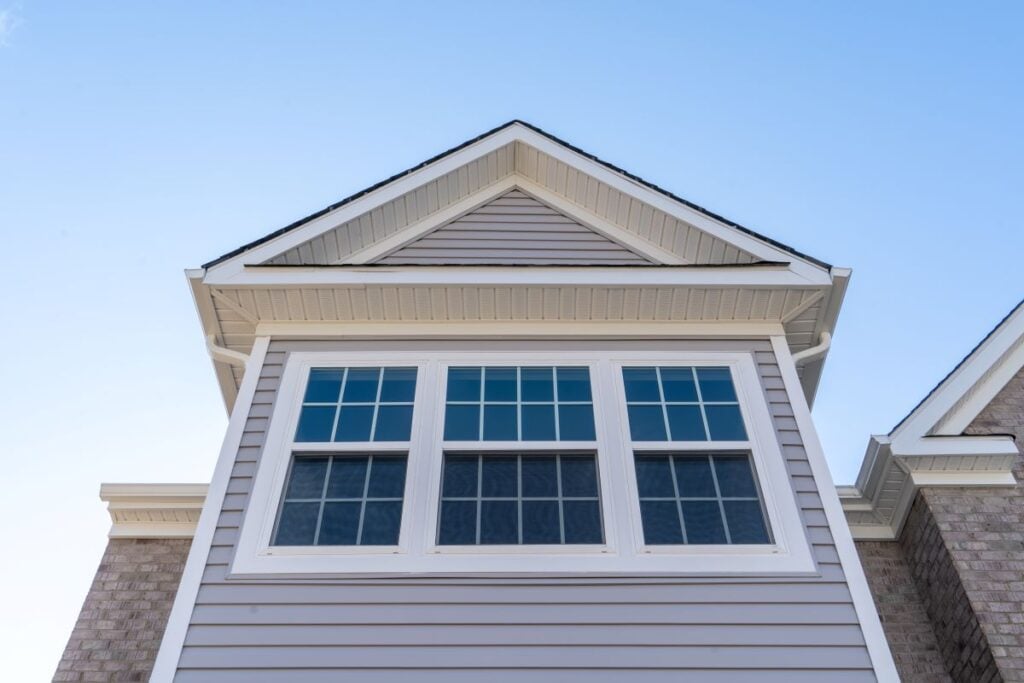
Double hung and casement windows are the two most common operating window styles in American homes, and they differ fundamentally in how the sash moves. Understanding the basic mechanics is the foundation for every other comparison in this guide.
How Does a Double Hung Window Work?
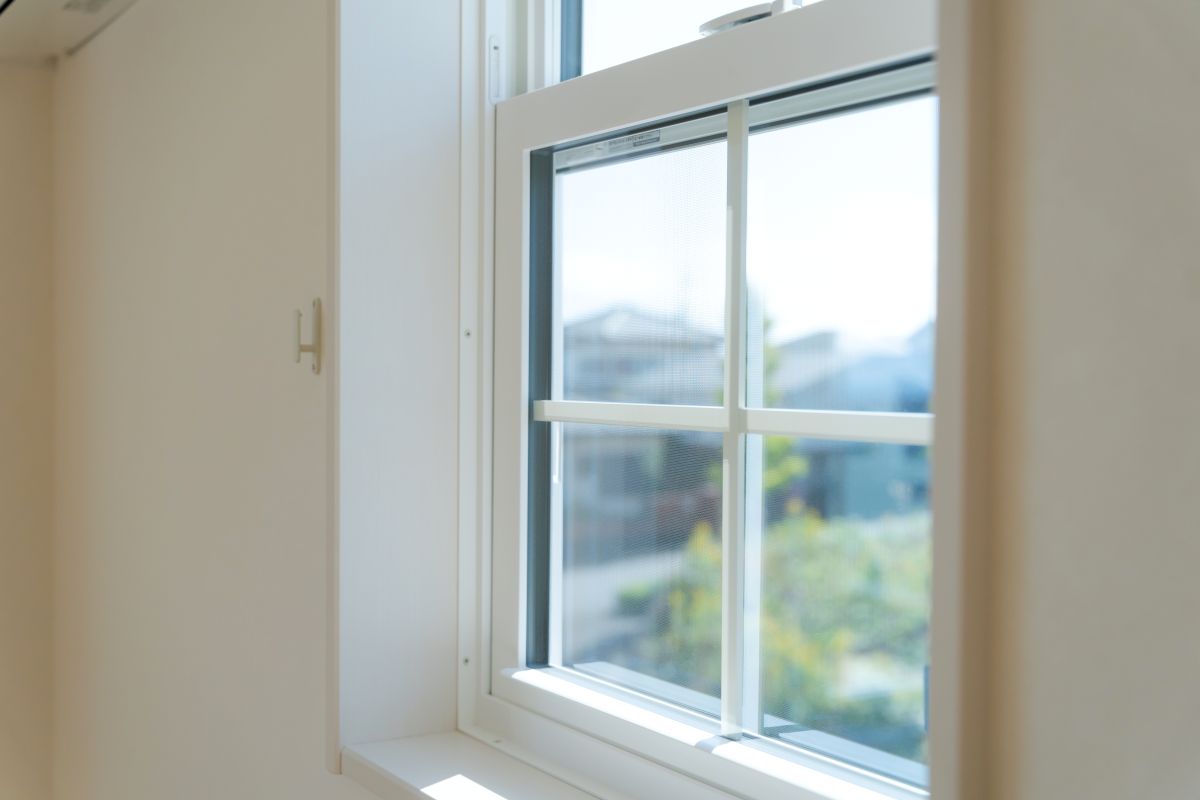
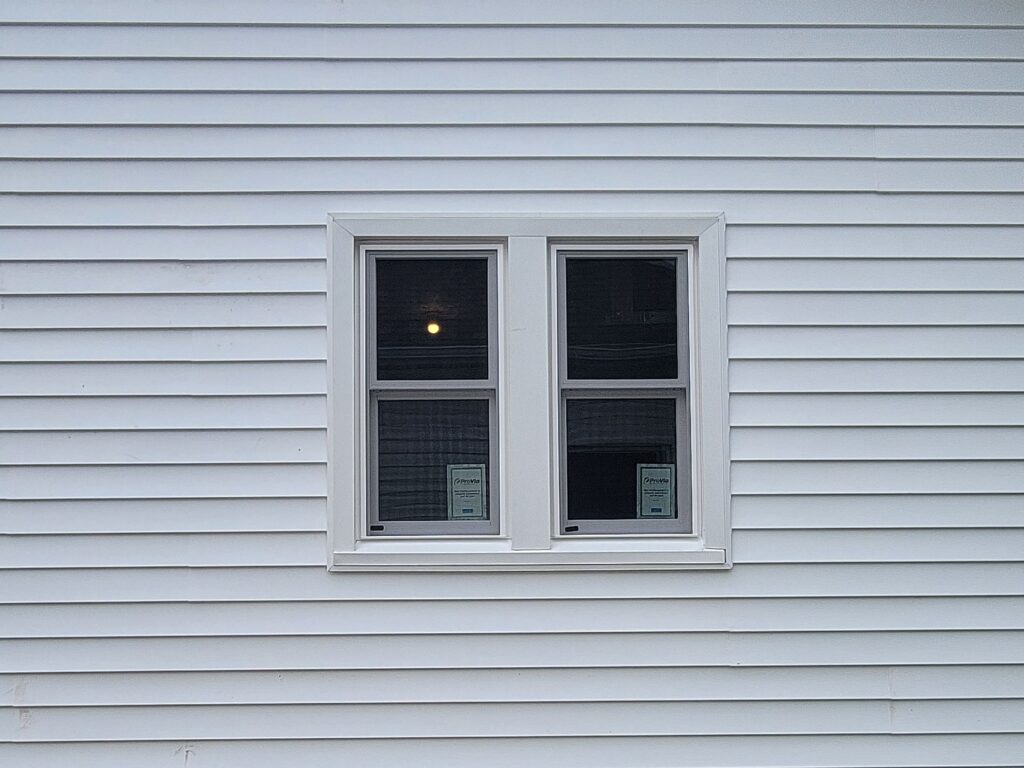
A double hung window has two sashes that slide vertically inside a single frame, allowing both the top and bottom panels to open independently. The design dates back centuries and remains the most recognizable window style in American architecture, particularly in traditional, colonial, craftsman, and farmhouse homes. Modern double hung windows include tilt-in sashes for easy cleaning from inside, balance systems that hold the sash open at any height, and integrated weatherstripping along the rails. The flexibility of opening either the top or bottom is genuinely useful for ventilation control, especially in homes with children or pets where keeping the lower sash closed makes sense. Manufacturers like Andersen, Marvin, Pella, and Milgard all produce extensive double hung lines.
- Operation: Two vertically sliding sashes that open from top, bottom, or both.
- Tilt-in feature: Modern units fold inward for cleaning the exterior glass.
- Style fit: Traditional, colonial, craftsman, ranch, and farmhouse architecture.
- Common materials: Vinyl, fiberglass, wood, and aluminum-clad wood.
How Does a Casement Window Work?
A casement window is hinged on one side and swings outward like a door, operated by a hand crank that opens and closes the sash. The crank mechanism uses a worm gear that lets the homeowner open the window with minimal effort, even on large sash sizes. When closed, the sash presses tightly against compression seals on all four sides of the frame, creating an exceptionally airtight closure. Casement windows are common in modern, contemporary, and European-influenced architecture, and they pair especially well with kitchens, bathrooms, and stairwell landings where reach matters. The outward swing does require clear exterior space, which is the most common limitation homeowners run into. Brands like Marvin, Pella, Andersen 400 Series, and JELD-WEN all carry strong casement lineups.
- Operation: Side-hinged sash that cranks outward via a hand mechanism.
- Sealing system: Compression seals on all four sides for an airtight closure.
- Style fit: Modern, contemporary, transitional, and European designs.
- Common materials: Vinyl, fiberglass, wood, and aluminum-clad wood.
6 Differences That Actually Matter
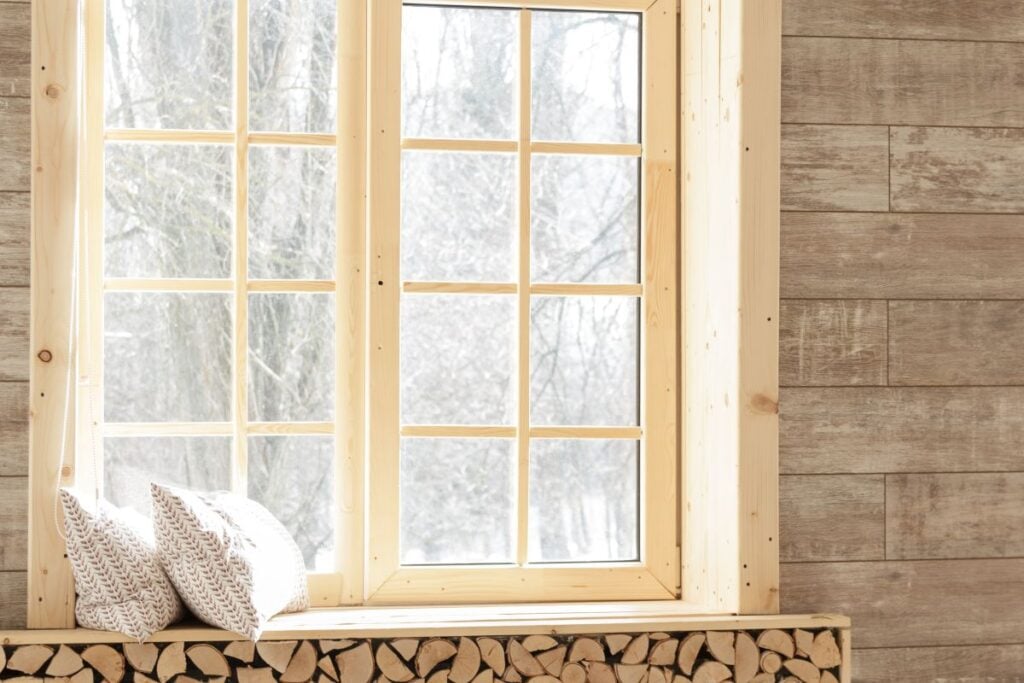
Plenty of comparison guides list a dozen factors that barely move the needle, but only six differences truly shape the decision for most homeowners. The numbered breakdown below covers each in detail with the data points that matter at quote time.
1. Energy Efficiency and Air Leakage
Casement windows generally outperform double hung windows on energy efficiency because their sash compresses against the frame on all four sides when closed and locked. The U.S. Department of Energy confirms that casement windows typically have lower air leakage rates than sliding window types, including single and double hung, because the sash closes by pressing against the frame. Double hung windows rely on sliding contact seals between two moving sashes, and those tracks must stay loose enough for the sashes to move. Over time, weatherstripping along the rails wears down and air leakage increases. That said, a high-quality modern double hung from Marvin, Andersen, or Pella with advanced weatherstripping and interlocking sash rails closes most of the performance gap.
- Casement air leakage: Lower due to compression seals on all four sides.
- Double hung air leakage: Higher due to sliding contact seals at the rails.
- U-factor range: Casement units commonly hit 0.20 to 0.28; double hungs run 0.25 to 0.32.
- ENERGY STAR qualification: Both styles qualify when paired with Low-E glass and gas fills.
2. Installed Cost in 2026
Double hung windows are typically less expensive than casement windows, with most homeowners paying $400 to $900 per window installed compared to $430 to $1,060 for a comparable casement. The price gap exists because casement windows include a crank mechanism, more complex hinges, and more elaborate sealing systems. The simpler design of a double hung also means broader market availability, more competition among manufacturers, and faster installation times. Across a full-house window replacement of 15 to 20 openings, the difference can total $1,500 to $4,000. For a budget-conscious homeowner in Omaha and surrounding areas, that gap can be the deciding factor, especially when the energy savings difference between premium models from the same brand is relatively small.
- Double hung installed price: $400 to $900 per window in 2026.
- Casement installed price: $430 to $1,060 per window in 2026.
- Whole-house difference: $1,500 to $4,000 across a typical replacement.
- Premium upgrades: Triple-pane glass adds $100 to $300 per window for either style.
3. Ventilation and Airflow
Casement windows offer superior ventilation because they open the full sash area and can scoop side breezes into the home, while double hung windows max out at 50% open area. A fully cranked casement essentially turns the window into a sail that catches and redirects wind into the room, which is a noticeable comfort difference on mild spring and fall days. Double hung windows compensate with versatile airflow patterns, since opening the top sash lets warm air escape while opening the bottom pulls cool air in. That stack-effect ventilation is genuinely useful in two-story homes and rooms with high ceilings. The right answer depends on the room and the climate, not a universal winner.
- Casement open area: Up to 100% of the rough opening.
- Double hung open area: Up to 50% of the rough opening.
- Cross-breeze capture: Casement excels in catching side winds.
- Stack ventilation: Double hung excels at venting hot air through the upper sash.
4. Cleaning, Maintenance, and Operation
Double hung windows with tilt-in sashes are arguably the easiest to clean because both sashes pivot inward, letting you wash the exterior glass from inside the home. Casement windows can be cleaned from inside in some configurations, but the geometry is awkward, especially on second-story windows above landscaping. On the maintenance side, casement crank mechanisms can wear out over a 15- to 20-year window of use and may need to be lubricated annually or replaced eventually. Double hung balance systems can also fail over time, with sashes that no longer hold position being a common service call. Both styles require occasional weatherstripping replacement, typically every 7 to 10 years depending on exposure.
- Cleaning ease: Tilt-in double hung wins for second-story exterior glass.
- Mechanical wear: Casement cranks may need replacement after 15 to 20 years.
- Balance systems: Double hung balances can fail over time and need service.
- Weatherstripping: Replace every 7 to 10 years on either style.
5. Architectural Style and Curb Appeal
Double hung windows fit traditional, colonial, craftsman, farmhouse, and ranch homes, while casement windows lean toward modern, contemporary, transitional, and European-influenced architecture. The visible meeting rail across the middle of a double hung window is a defining feature of historic American homes, so swapping in casements on a 1920s craftsman would clash with the original character. Casement windows offer cleaner, less obstructed views since there’s no horizontal divider, which suits modern design and lake or mountain views especially well. Many homeowners mix both styles, using double hungs on the front facade for curb appeal and casements at hard-to-reach kitchen sinks or in modern additions. There’s no rule that the whole house has to match.
- Traditional homes: Double hung pairs naturally with colonial, craftsman, and farmhouse styles.
- Modern homes: Casement complements contemporary, transitional, and European designs.
- View clarity: Casement offers an unobstructed sash with no meeting rail.
- Mixed-style approach: Combining both styles is common and design-friendly.
6. Resale Value and Buyer Expectations
Double hung windows tend to hold stronger resale appeal in most American markets because buyers expect them in traditional homes and recognize the style instantly. Real estate professionals report that homes with mismatched window styles, like casements installed on a colonial revival, can actually hurt buyer perception. Casements add value when they’re appropriate to the architecture and when they replace dated, drafty originals with high-performance modern units. The 2025 Cost vs. Value Report from Zonda continues to track window replacement as a strong ROI category for both vinyl and wood-clad units. The bigger driver of resale impact is whether the windows look new, operate smoothly, and carry transferable warranties, regardless of style.
- Traditional home resale: Double hung typically expected by buyers.
- Modern home resale: Casement can boost contemporary curb appeal.
- ROI driver: Window age, condition, and warranty matter more than style.
- Mismatched style risk: Wrong-style windows can lower buyer interest.
Which Window Style Should You Pick for Each Room?
Both window types have rooms where they outperform the other, and the smartest replacement plans match the style to the function. Below are the most common room-by-room recommendations homeowners hear from contractors in Omaha and surrounding areas.
Where Do Casement Windows Work Best?
Casement windows work best over kitchen sinks, in stairwell landings, in bathrooms, and on walls facing prevailing summer breezes. The crank mechanism makes them easy to operate from a distance, which is the main reason they dominate over kitchen counters where reaching a sash sash would require leaning across the sink. They’re also ideal for narrow vertical openings where the height-to-width ratio doesn’t suit a double hung. Tall casement windows in stairwells flood the space with light and ventilation without obstructing the view. The main caution is exterior space, since a fully open casement extends 18 to 24 inches beyond the wall and can interfere with patios, walkways, and shrubs.
- Kitchen sink areas: Crank operation works from across the counter.
- Stairwell landings: Tall, narrow openings suit casement proportions.
- Bathrooms: Tight seal handles humidity and ventilation needs.
- Wind-facing walls: Maximum airflow capture for natural cooling.
Where Do Double Hung Windows Work Best?
Double hung windows work best in bedrooms, living rooms, on second stories, and anywhere the exterior side of the wall has obstructions like decks, walkways, or landscaping. The vertical operation keeps the window flush with the home’s exterior, which matters when you have a porch railing, AC unit, or planter box right outside. Bedrooms benefit from the egress flexibility of a fully open lower sash, which most building codes require for ground-floor and second-story sleeping rooms. The classic look also makes them the default choice for the front facade of any traditional home where curb appeal matters. Easy interior cleaning of tilt-in sashes is a real perk for hard-to-reach upstairs windows.
- Bedrooms: Egress requirements and traditional aesthetics align with double hung.
- Second-story openings: Tilt-in sashes simplify exterior cleaning.
- Front facades: Traditional curb appeal benefits from the classic look.
- Tight exterior spaces: No outward swing means no clearance issues.
Frequently Asked Questions
Are casement windows more expensive than double hung?
Yes, casement windows typically cost $30 to $200 more per window installed than comparable double hung units. The added cost reflects the crank mechanism, more complex hinges, and superior compression sealing systems. Across a full-house replacement of 15 to 20 windows, expect a total difference of $1,500 to $4,000.
Which window type is more energy efficient?
Casement windows are generally more energy efficient than double hung windows because their compression seal on all four sides creates a tighter closure than the sliding seals on a double hung. The U.S. Department of Energy confirms casement windows have lower air leakage rates than sliding window styles. That said, a premium double hung with quality weatherstripping and Low-E glass closes most of the performance gap.
How long do double hung and casement windows last?
Both window styles typically last 20 to 40 years with proper installation and maintenance. Vinyl frames last 20 to 30 years, while fiberglass and wood-clad units often hit 30 to 40 years. Casement crank mechanisms and double hung balance systems are the most common components to need service before the window itself fails.
Can I mix double hung and casement windows in the same house?
Yes, mixing both window styles in one house is common and often recommended. Many homeowners use double hung windows on the front facade for curb appeal and casement windows over kitchen sinks or in modern additions. The key is keeping styles consistent within a single visible elevation so the exterior reads as intentional rather than mismatched.
Do casement windows work with window air conditioners?
No, standard window air conditioning units do not fit casement windows because the unit needs a horizontal sash to support its weight. Homeowners with casement windows typically use through-the-wall AC units, portable units, or a central HVAC system. This is one of the more practical reasons some homeowners stick with double hung in bedrooms.
How often should I replace the weatherstripping?
Replace weatherstripping on either window style every 7 to 10 years, or sooner if you notice drafts, cracking, or compression. Worn weatherstripping is the leading cause of energy loss on otherwise functional windows. Replacement weatherstripping kits cost $15 to $50 per window and take less than an hour to install.
Why Choose J-Tech Construction & Solar for Your Window Replacement?
J-Tech Construction & Solar is the trusted name for window replacement in Omaha and surrounding areas because of more than 20 years of installation experience, a family-owned and locally operated team, and a reputation for honest pricing and clean workmanship. Every window installation includes a free in-home consultation, transparent written quotes, quick turnaround times, financing options that fit any budget, and warranties that protect your investment for years.
Whether you’re matching original double hung windows on a historic home, upgrading to casements for a modern addition, or mixing both styles across the house, the J-Tech team handles every detail from accurate measurement to final caulking. Contact J-Tech Construction & Solar today to schedule your free window estimate and get expert guidance on the right style for every room in your home.