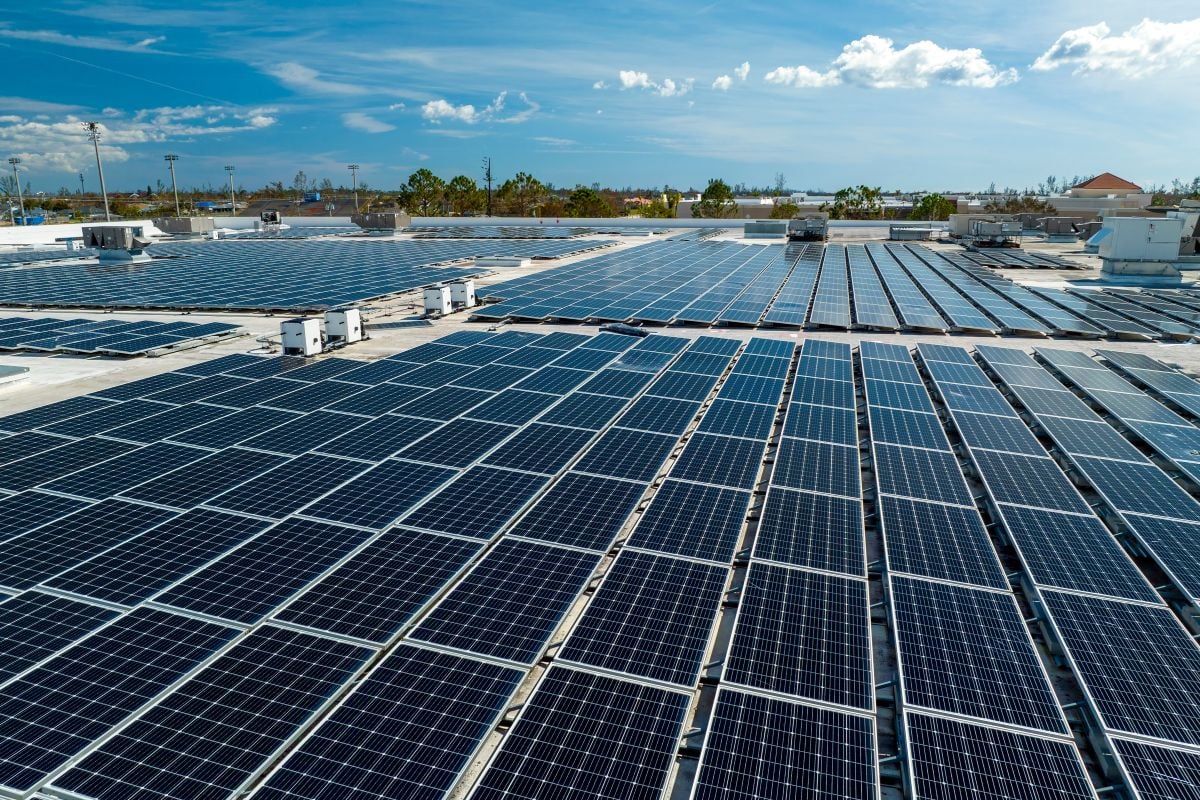
A commercial solar installation is one of the biggest energy decisions a business will make, and the rules in 2026 look very different than they did a year ago. Business owners in Ralston and surrounding areas have a real opportunity right now, but the window to lock in the best federal tax benefits is closing quickly. Solar makes sense for many commercial properties, but not all of them. Roof condition, electricity costs, tax position, and timing all play a role in whether the math works. A comprehensive site assessment by a reputable solar company is critical, involving evaluation of historical energy usage and physical site conditions. This guide walks through what businesses should know before installing, what’s actually changing in 2026, and how to decide if it’s the right move for your operation.
- The 2026 reality: Why this year is a deadline year for federal credits.
- What drives the math: The factors that make commercial solar pay off.
- Decision points: What to ask before you sign a contract.
Why Are So Many Businesses Looking at Solar Right Now?
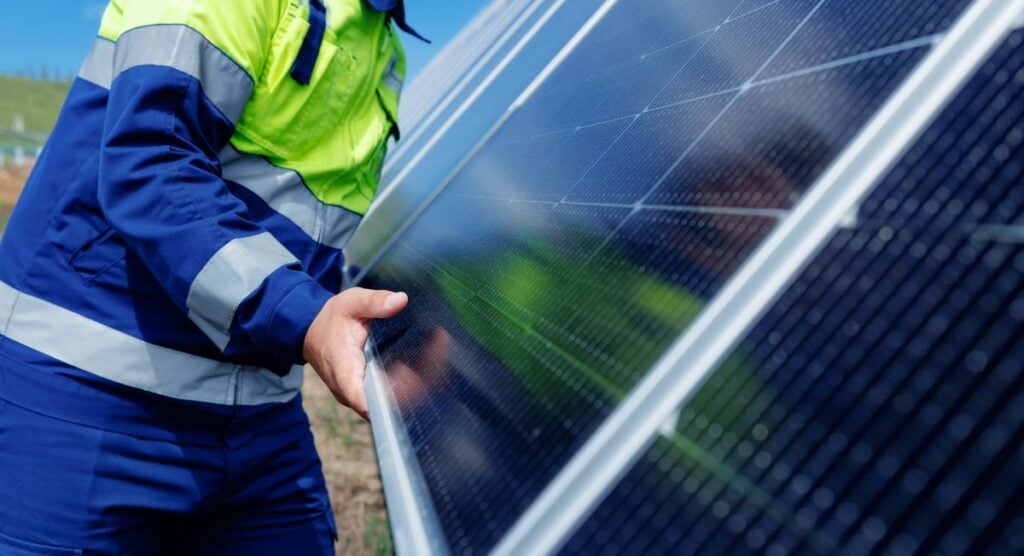
Two things are driving the surge. Commercial electricity rates keep rising, especially with utility infrastructure investments and new data center demand. With rising utility rates, businesses are looking to commercial solar installation as a way to stabilize or reduce their utility bills and overall energy costs. And the federal tax credits that make solar economically attractive have a hard deadline coming up. That combination is pushing more businesses to evaluate solar in 2026 than in any year before it.
What Should Businesses Know Before Installing?
Below is the numbered breakdown of the 6 things every business should think about before signing a solar contract. Each one shapes the financial outcome and how smoothly the work goes. Evaluating different solar solutions is essential to finding the best fit for your business needs.
1. The Federal Tax Credit Is Worth More Than You Think
The 30% Investment Tax Credit is the headline number, but it’s not the whole picture. Businesses can stack additional bonus credits on top of the base 30%. A 10% bonus is available for using domestic content (U.S.-made panels, inverters, and structural steel). Another 10% is available for systems located in qualified energy communities. Low-income community projects can earn an additional 10% to 20%. On top of all that, the federal MACRS accelerated depreciation lets businesses write off the system over 5 years, with 20% bonus depreciation in 2026. Combined, the tax credit and depreciation typically recover 45% to 55% of the gross system cost. That’s the math that makes commercial solar work.
- Base credit: 30% of system cost with prevailing wage compliance.
- Stackable bonuses: Up to +30% with domestic content and energy community.
- MACRS accelerated depreciation: 5-year write-off plus 20% bonus depreciation in 2026.
- Combined recovery: Roughly 45% to 55% of gross cost back through tax benefits.
2. Your Roof Has to Be Ready
A solar system lasts 25 to 30 years. The roof underneath has to last at least that long, ideally longer. Installing solar on a roof with 5 years of life left means tearing the system off when the roof needs replacing, which can add $10,000 or more to the next reroofing job. Most businesses get the roof inspected before any solar quote, and many replace or repair the roof first. During planning, available roof space and potential roof obstructions, such as HVAC units, vents, or skylights, must also be considered to ensure optimal panel placement and installation procedures. Professional engineers must verify if the roof can support the added weight load and withstand local wind and snow loads as part of the site assessment. This is especially true for older flat commercial roofs where ponding or membrane wear may not be obvious from the ground. Pairing a roof replacement with the solar install often saves money in the long run, since the trades coordinate and the roof comes with a fresh warranty.
- Lifespan match: Solar lasts 25 to 30 years; roof should match or exceed.
- Roof inspection first: Get a professional roof assessment before solar quotes.
- Replace if needed: Often cheaper to replace before install than after.
- Coordination saves: Pairing both jobs reduces overall labor and disruption.
3. Tax-Exempt Organizations Can Use Direct Pay
Nonprofits, churches, schools, and government entities couldn’t traditionally use tax credits because they don’t owe federal taxes. The Inflation Reduction Act fixed that with a feature called Direct Pay under Section 6417. Tax-exempt organizations can now receive the equivalent of the 30% credit as a cash payment from the IRS. This applies to commercial solar installations on qualifying buildings owned by these organizations. Direct Pay has the same construction and service deadlines as the regular credit, so the 2026 timing applies. For nonprofits in Ralston and surrounding areas considering solar, this changes the math considerably.
- Who qualifies: Nonprofits, churches, schools, government entities.
- How it works: IRS issues a cash payment equal to the 30% credit.
- Same deadlines: Begin construction by July 4, 2026.
- Big deal for nonprofits: Makes solar accessible without any tax liability.
4. Foreign Sourcing Rules Now Apply
Starting January 1, 2026, new Foreign Entity of Concern (FEOC) restrictions apply to commercial solar projects claiming the federal credit. The rules limit how many components can come from companies linked to China, Russia, Iran, or North Korea. For projects beginning construction in 2026, the threshold is 40% of manufactured product costs from prohibited foreign entities. This sounds technical, but the practical impact is that you’ll want to confirm your installer is using FEOC-compliant components. Most reputable commercial solar contractors are already sourcing accordingly, but it’s worth asking for documentation. Failing the test can disqualify the project from the entire credit.
- What it is: Restrictions on components from China, Russia, Iran, North Korea.
- The threshold: 40% of manufactured product costs in 2026.
- What to ask: Request FEOC compliance documentation from your installer.
- The risk: Non-compliance disqualifies the project from the 30% credit.
5. Payback Periods Vary More Than You Think
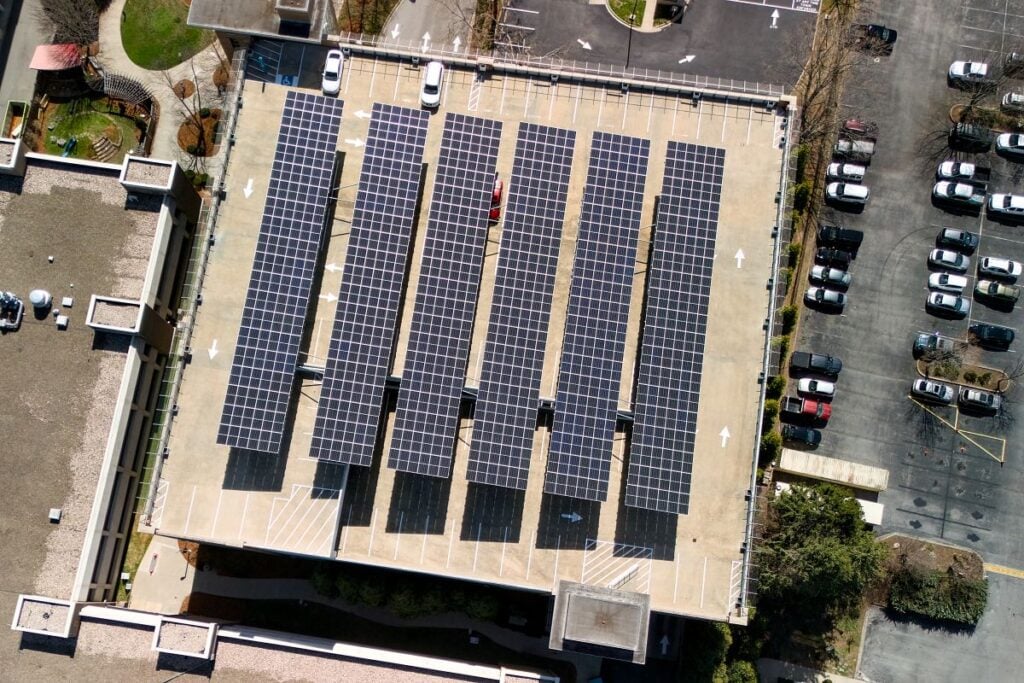
A common rule of thumb is that commercial solar pays back in 4 to 7 years, but the real number depends on a lot of factors. Local electricity rates matter most. Higher rates mean faster payback. System size matters too, since larger systems often have lower per-watt costs. System design, historical energy usage, and peak demand periods also play a significant role in determining payback. Whether the business owns the building, leases it, or has a long-term commitment changes the calculation. So does the local utility’s net metering policy, which determines what excess power is worth. Other factors, such as site-specific conditions and equipment choices, can also impact financial outcomes. Always ask for a detailed financial model from your installer, not just a payback estimate. The model should show year-by-year cash flow including the tax credit, depreciation, electricity savings, and maintenance costs.
- Average range: 4 to 7 years for typical commercial systems.
- Big factor: Local electricity rates drive payback speed.
- Ownership matters: Lease vs. own changes the financial math.
- Ask for detail: Get a full year-by-year financial model.
6. Maintenance Is Real (But Manageable)
Commercial solar systems are designed to last decades with minimal maintenance, but they aren’t zero maintenance. Panels lose 0.4% to 0.6% of output per year through normal aging. Inverters typically need replacement every 10 to 15 years. Cleaning may be needed once or twice a year depending on local dust and pollen. Most installers offer ongoing operation and maintenance contracts, which usually run $20 to $50 per kilowatt per year. Monitoring systems flag performance issues automatically, so problems get caught before they become big losses. Budget for maintenance from day one to keep payback projections realistic.
- Annual degradation: 0.4% to 0.6% panel output loss per year.
- Inverter replacement: Every 10 to 15 years on average.
- O&M contracts: Typical cost is $20 to $50 per kilowatt per year.
- Monitoring software: Catches issues before they cost real money.
How Should Businesses Decide?
Solar is a strong fit for many types of commercial property, but not all of them. The right call depends on the building, the business, and the math. Solar energy solutions can be tailored for a variety of commercial applications, such as warehouses, hospitals, and large campuses, to meet the specific needs of each property.
Where Does Solar Make the Most Sense?
Solar tends to make the most sense for businesses with high daytime electricity use, steady tax liability, a building they plan to occupy for at least 7 years, and a roof in good shape. Manufacturers, warehouses, retail centers, agricultural operations, and office buildings with big roofs are all common fits. It can be a tougher fit for businesses that lease their space short-term, have very low electricity bills, or operate on tight margins with no tax liability to offset. The first step is always a free assessment from a reputable installer who can model the actual numbers for your building. Don’t rely on generic payback estimates or pressure-driven sales pitches.
- Best fit: High daytime power use, stable tax position, long-term occupancy.
- Tougher fit: Short-term lease, low energy use, no tax liability.
- Common applications: Warehouses, manufacturing, retail, agriculture.
- First step: Free assessment with site-specific financial modeling.
Frequently Asked Questions
How much does a commercial solar installation cost?
Commercial solar systems typically cost $1.50 to $3.50 per watt installed in 2026, before tax credits and depreciation. A typical 100 kW system runs $150,000 to $350,000 gross. After federal incentives, the net cost usually drops to about 45% to 55% of that figure.
Can I finance a commercial solar system?
Yes. Common options include cash purchase, equipment financing, solar loans, leases, and power purchase agreements (PPAs). Each has different tax and accounting implications, so review options with your accountant. Your installer should walk you through the financial differences.
How long does a commercial solar installation take?
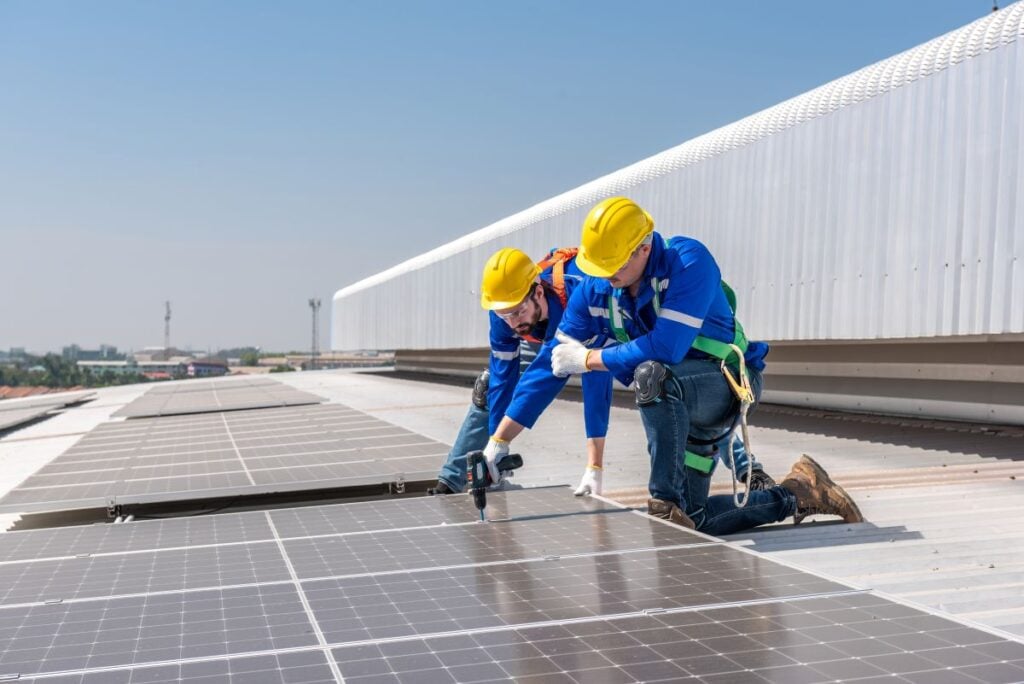
Most commercial systems take 4 to 12 weeks from contract signing to operation, depending on size and permitting. Larger or more complex systems can take 6 months or more. The on-site installation portion is usually 1 to 4 weeks for typical commercial systems.
Will solar work on a flat commercial roof?
Yes. Flat commercial roofs are excellent candidates for solar because the panels can be tilted to optimal angles using ballasted racking systems. The main consideration is roof age and condition, which is why a roof inspection comes first.
What happens if I sell the building?
Solar systems are typically considered a fixture and transfer with the building. If you claim the ITC and sell within 5 years, you may have to repay a portion of the credit (the IRS calls this “recapture”). Talk to your tax advisor before any sale.
Do I need battery storage with my solar system?
Not always. A storage system, such as batteries, makes sense for businesses with critical loads, time-of-use electricity rates, or demand charges. Many commercial solar installations are installed without energy storage and work fine on standard grid-tied setups. However, integrating energy storage with your solar system can allow it to function as a microgrid, providing energy independence during utility grid failures when paired with battery storage. Storage can also qualify for the federal credit on its own.
Why Choose J-Tech Construction & Solar for Your Commercial Solar Installation?
J-Tech Construction & Solar is the trusted name for commercial solar installation in Ralston and surrounding areas because of more than 20 years of construction experience, a family-owned and locally operated team, and integrated expertise across roofing, structural work, and solar. Every commercial solar assessment includes a free property evaluation, transparent written quotes with side-by-side financial modeling, integrated roof and solar planning when needed, financing options to fit any budget, and warranties on materials and workmanship. Whether you’re a manufacturer, a warehouse operator, a nonprofit, or a small business with a great roof and a high power bill, the J-Tech team will help you understand the real numbers and the real timeline before you commit. Contact J-Tech Construction & Solar today to schedule your free commercial solar assessment and find out whether 2026 is the year your business should make the move.