
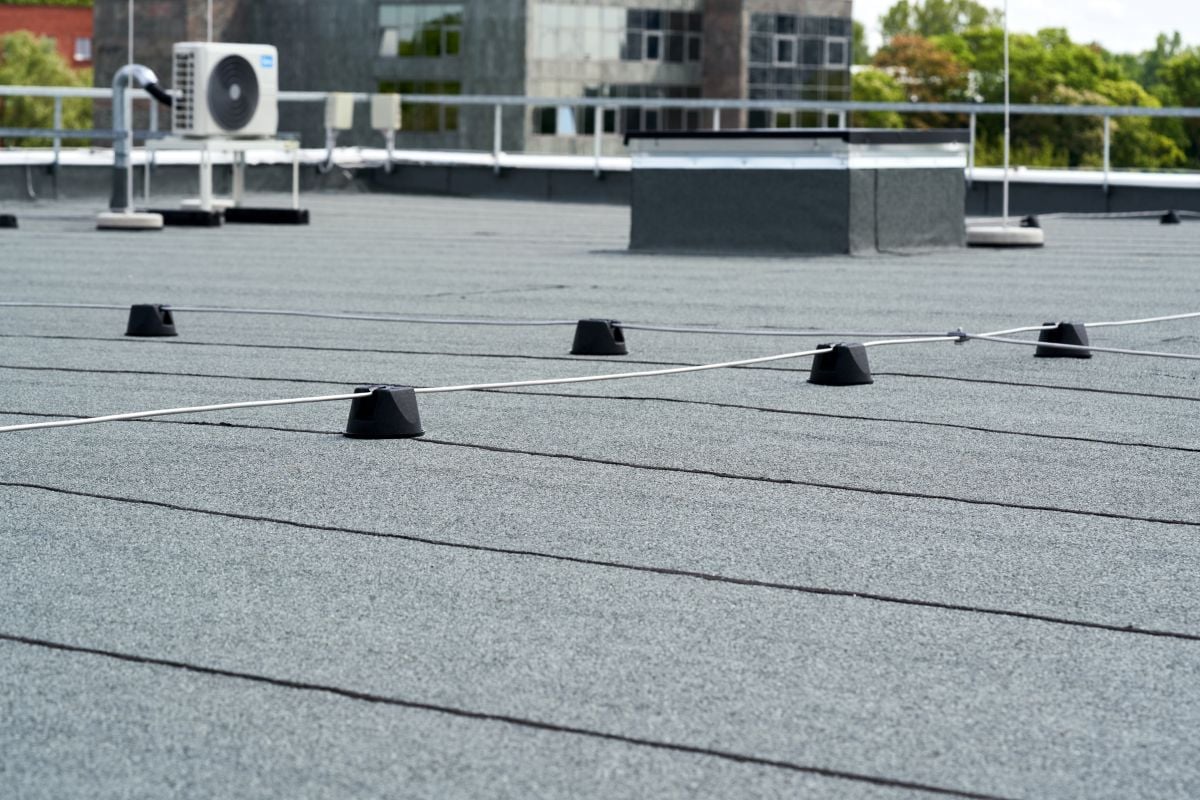
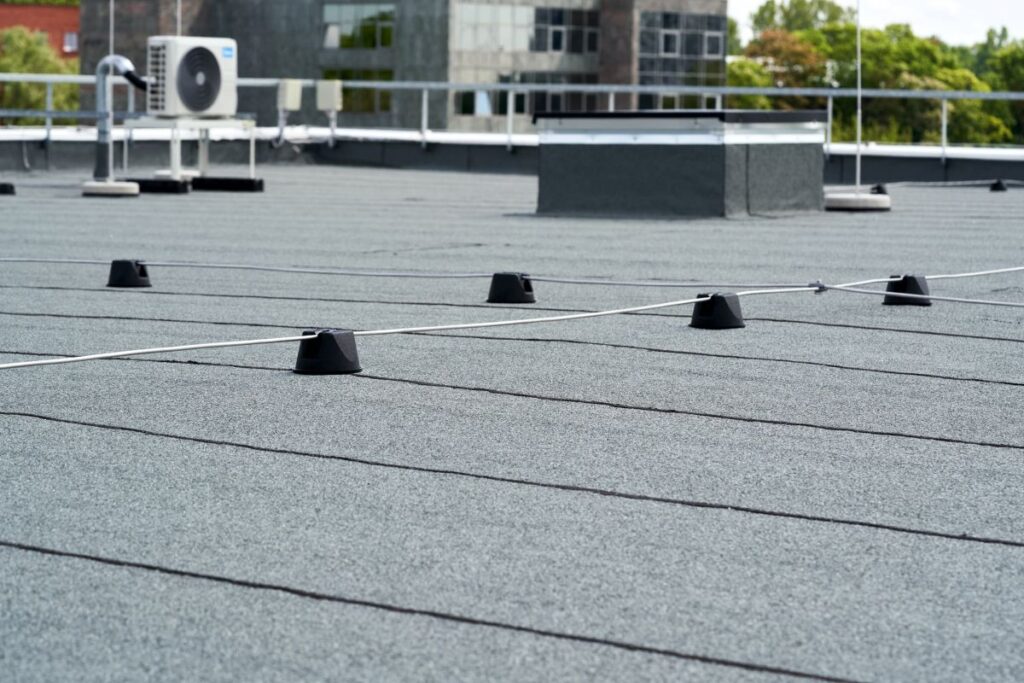
If you’re considering options for a flat or low-slope property, a built up roof system may be one of the most time-tested solutions available. Commonly referred to as BUR, this roofing method has been used for more than a century and remains popular for both commercial buildings and certain residential structures. For property owners in Omaha and surrounding areas, built up roof systems offer layered protection, durability, and long-term performance when properly installed and maintained.
- Proven Performance: Over 100 years of reliable use in flat roofing applications.
- Layered Protection: Multiple plies create strong resistance against leaks.
- Versatility: Suitable for commercial buildings and some residential flat roofs.
What Is a Built Up Roof System?
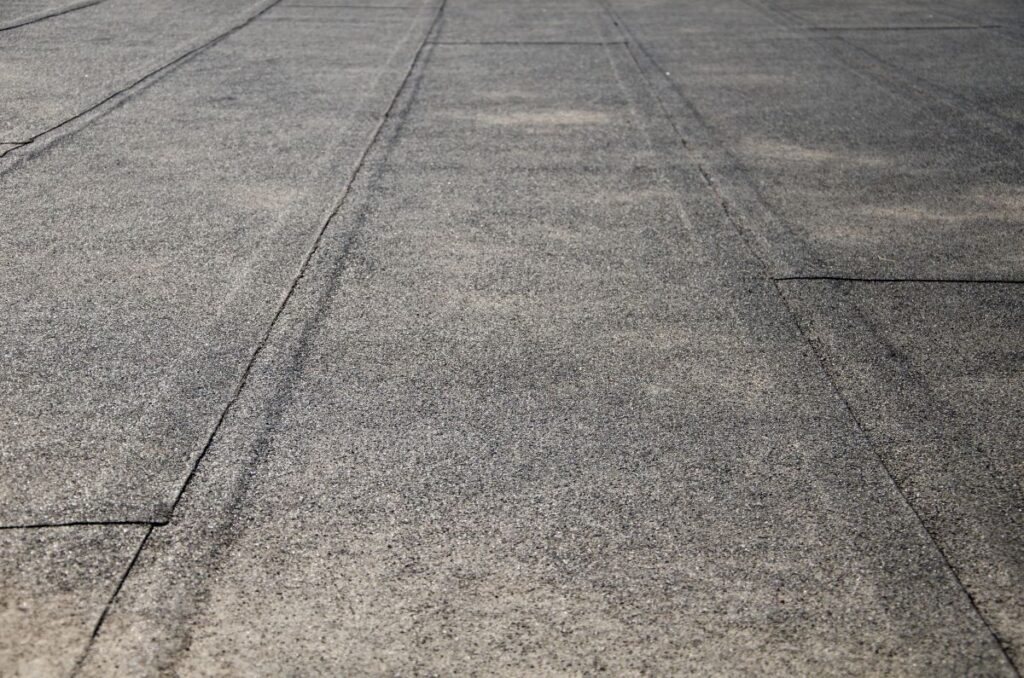
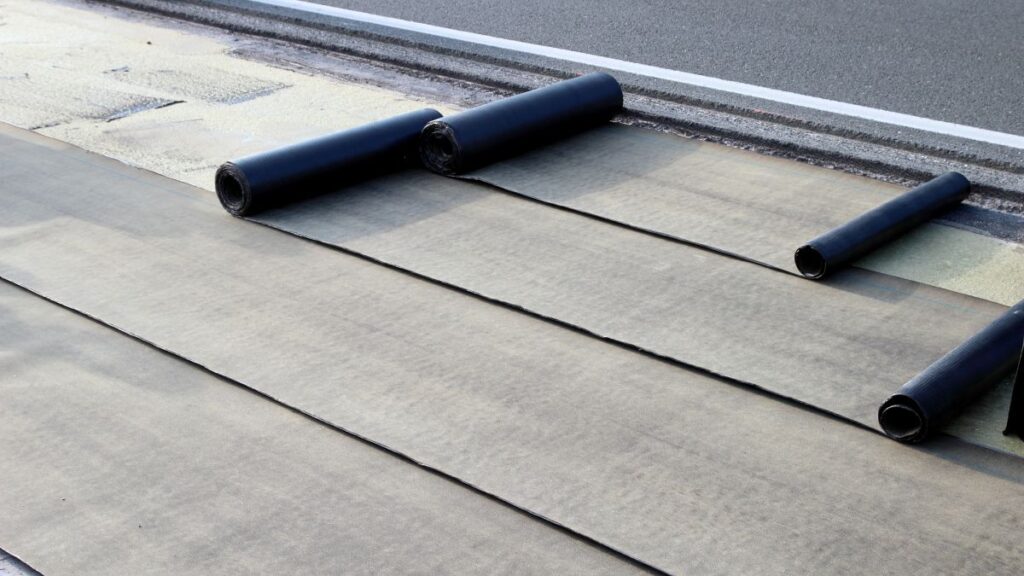
A built up roof system is constructed by layering multiple sheets of reinforcing fabric, often fiberglass or organic mats, with hot-applied asphalt or bitumen. These alternating layers create a thick, durable membrane that protects against water intrusion and weather damage. The top layer is typically finished with gravel, mineral granules, or a reflective coating to shield the roof from UV rays.
In Omaha and surrounding areas, built up roof systems are frequently used on commercial buildings such as warehouses, schools, and office complexes. Some homeowners with flat or low-slope roof sections also choose BUR systems for their proven reliability and waterproofing capabilities.
How a Built Up Roof Is Installed
Installation involves applying hot asphalt or bitumen in layers, embedding reinforcing sheets between each layer to build thickness and strength. Once the desired number of plies is installed, a protective top layer of gravel or coating is applied.
This multi-layer approach creates redundancy, meaning if one layer is compromised, additional layers still provide protection. However, professional installation is essential because improper application can lead to uneven surfaces or trapped moisture.
Average Built Up Roof Cost in 2026
The cost of a built up roof depends on the number of layers, materials used, roof size, and labor requirements. In Nebraska, the average installed cost typically ranges between $6 and $10 per square foot.
Below is a general pricing breakdown for 2026:
| Project Size | Estimated Cost Range | Typical Lifespan |
| 5,000 sq. ft. | $30,000–$50,000 | 20–30 years |
| 10,000 sq. ft. | $60,000–$100,000 | 20–30 years |
| Residential Flat Section (1,500 sq. ft.) | $9,000–$15,000 | 20–25 years |
While the upfront cost may be comparable to TPO or modified bitumen, the layered structure of BUR provides added durability in many applications.
4 Pros of Built Up Roof Systems
Built up roof systems have remained popular for decades due to their reliability and performance in flat roofing environments.
1. Excellent Waterproofing Protection
The multiple layers of asphalt and reinforcing fabric create a thick membrane that resists water penetration. This redundancy reduces the risk of catastrophic leaks.
- Layered Defense: If one layer fails, others remain intact.
- Proven Technology: Trusted for decades in commercial roofing.
2. Strong Durability
Built up roofs are resistant to foot traffic, hail, and minor impact damage. The gravel or aggregate top layer provides extra protection from UV exposure and debris.
- Impact Resistance: Suitable for buildings with rooftop equipment.
- Weather Protection: Performs well under Nebraska’s freeze-thaw cycles.
3. Long Lifespan
When properly installed and maintained, a built up roof can last 20 to 30 years or longer. Regular inspections and maintenance can extend its service life even further.
- Maintenance-Friendly: Surface damage can often be patched without full replacement.
- Stable Performance: Thick construction reduces thermal shock.
4. Fire Resistance
Gravel-surfaced BUR systems offer excellent fire resistance and meet many Class A fire rating requirements, making them suitable for both commercial and residential use.
4 Cons of Built Up Roof Systems
While built up roof systems offer many advantages, they also come with limitations that property owners should consider.
1. Installation Complexity
BUR installation involves hot asphalt application, which requires specialized equipment and experienced crews. This can increase labor time and safety considerations.
- Longer Installation Time: More labor-intensive than single-ply systems.
- Odor and Disruption: Hot asphalt can produce temporary odors during application.
2. Weight Considerations
Because of its multiple layers and gravel surfacing, a built up roof is heavier than single-ply membranes like TPO or EPDM.
- Structural Load: Building framing must support the additional weight.
- Engineering Review: May require structural evaluation before installation.
3. Maintenance Requirements
Although durable, BUR systems require routine inspections to ensure gravel remains evenly distributed and no cracks or blisters develop.
- Blistering Risk: Trapped moisture between layers can cause bubbling.
- Surface Wear: Gravel displacement may require periodic redistribution.
4. Limited Aesthetic Appeal
Built up roofs are typically functional rather than decorative. They are best suited for flat roofs that are not highly visible from the ground.
Built Up Roof vs. Single-Ply Systems
| Feature | Built Up Roof | TPO | EPDM |
| Installation Method | Layered asphalt & fabric | Heat-welded membrane | Rubber membrane |
| Average Cost (per sq. ft.) | $6–$10 | $6–$9 | $5–$8 |
| Weight | Heavy | Lightweight | Lightweight |
| Lifespan | 20–30 years | 20–30 years | 25–35 years |
| Waterproofing | Multi-layer redundancy | Single-ply | Single-ply |
| Maintenance | Moderate | Low | Low |
This comparison shows that built up roof systems offer excellent waterproofing and durability but may involve more installation complexity and weight considerations compared to modern single-ply alternatives.
Is a Built Up Roof Right for You?
A built up roof may be the ideal solution if you own a flat commercial property that requires heavy-duty waterproofing and impact resistance. It’s also a solid option for residential properties with flat sections, such as porches or additions, where durability is a priority.
In Omaha and surrounding areas, where seasonal weather can be demanding, BUR systems provide consistent protection against snow accumulation and heavy rainfall. However, property owners should evaluate structural capacity and maintenance preferences before choosing this system.
Maintenance Tips for Built Up Roofs
Proper maintenance ensures your BUR system performs reliably for decades.
- Inspect Twice Annually: Look for cracks, blisters, or gravel displacement.
- Keep Drains Clear: Prevent water ponding by cleaning gutters and scuppers.
- Address Repairs Quickly: Patch minor damage before it spreads.
- Schedule Professional Evaluations: Annual inspections help maintain warranty compliance.
Built Up Roof Systems Offer Time-Tested Protection
A built up roof remains a dependable choice in 2026 for property owners seeking durable, multi-layer protection on flat or low-slope roofs. While it may require more labor during installation, its redundancy and resilience make it a trusted option for commercial buildings and select residential applications.
If you’re considering a built up roof system in Omaha and surrounding areas, J-Tech Construction & Solar can help you evaluate your structure, compare roofing options, and determine the best solution for your needs.
Contact J-Tech Construction & Solar today for a free estimate and expert guidance on flat roofing systems built to withstand Nebraska’s toughest weather conditions.