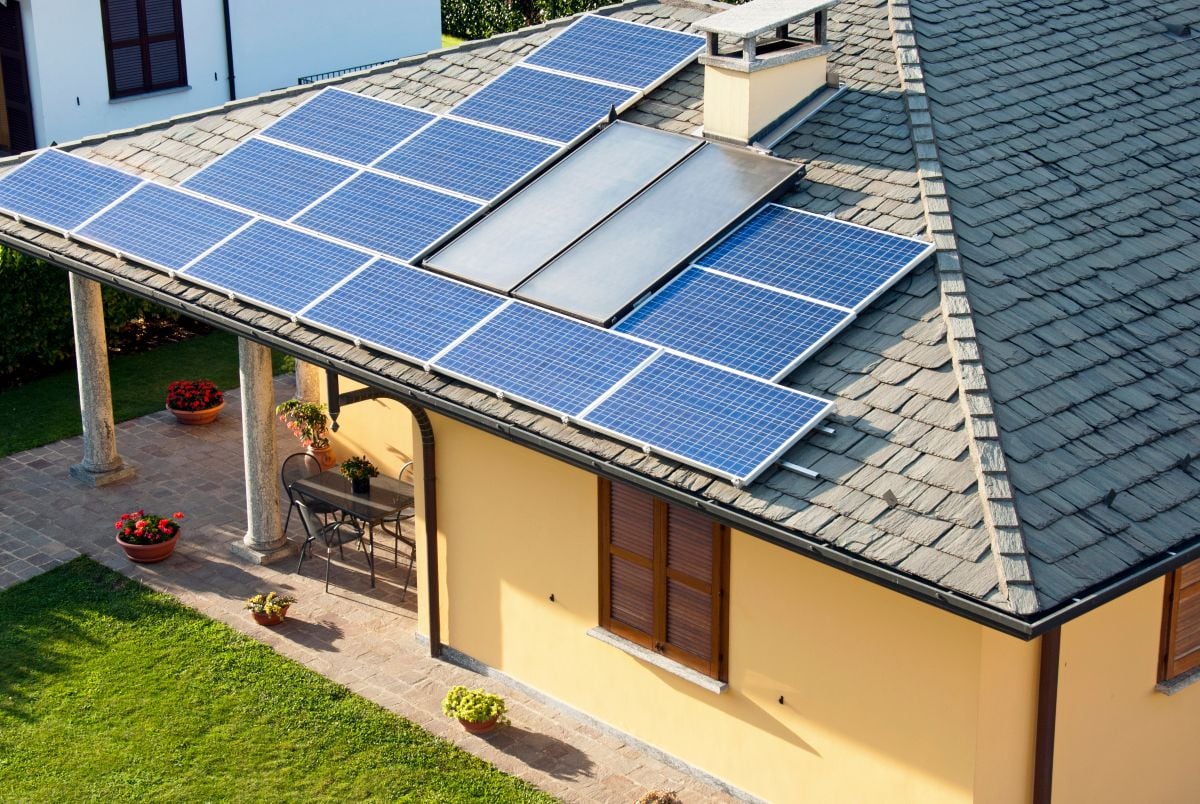
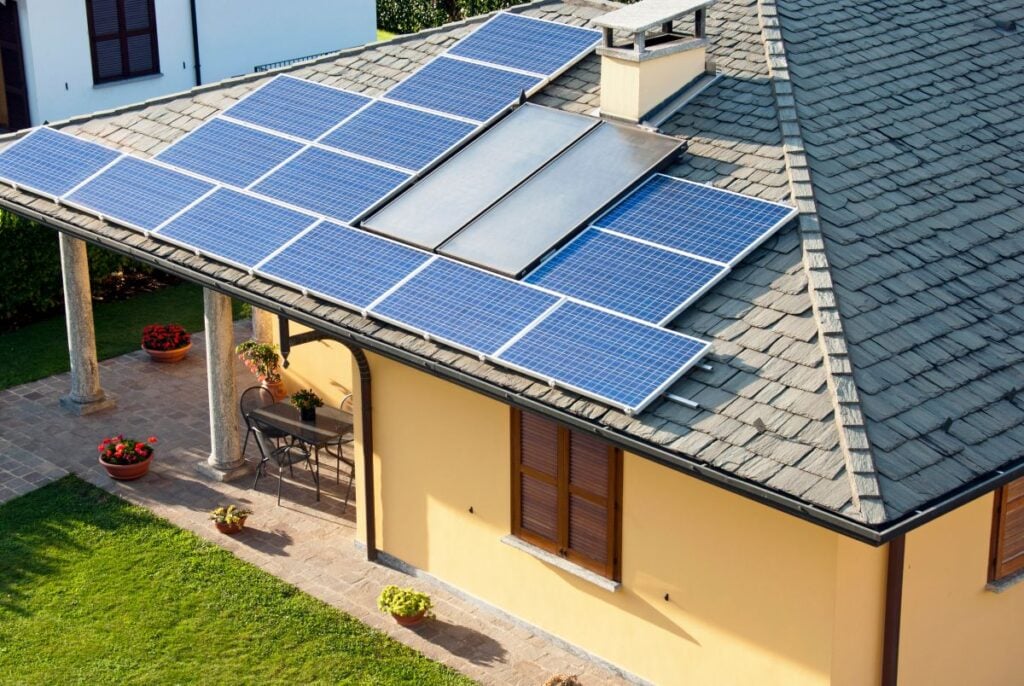
Choosing the best solar panels home installations actually need in 2026 comes down to four numbers that matter and a lot of marketing noise that doesn’t. Efficiency ratings have climbed across the industry, with premium panels now hitting 22% to 24% conversion rates and mid-range panels closing in fast. Warranties have stretched as long as 40 years from top-tier brands, and degradation rates have dropped to 0.25% per year on the leaders. This guide cuts through the brand hype to compare the panels Grand Island and surrounding areas homeowners are actually getting quoted on, with real specs, real prices, and a realistic look at what’s worth paying extra for.
- Top brands compared: Side-by-side specs for Maxeon, REC, Qcells, Silfab, and other premium options.
- Key spec breakdown: Efficiency, warranty, degradation rate, and temperature coefficient explained simply.
- Cost reality check: What a residential system actually costs in 2026 after the federal tax credit ended.
What Makes a Solar Panel Truly the Best?
The “best” solar panel depends on your roof, your climate, and your budget, not on a single industry-wide ranking. The three specs that matter most are efficiency, degradation rate, and warranty coverage, and the trade-offs between them define the entire residential market.
What Specs Should You Actually Compare?
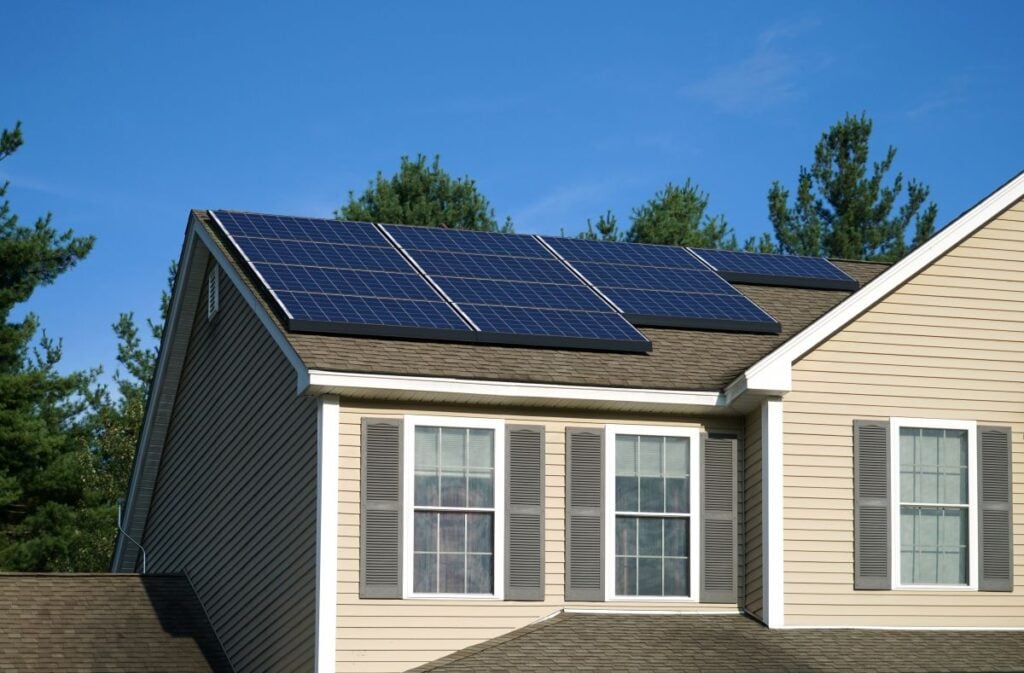
The four specs that matter on every solar panel datasheet are efficiency rating, temperature coefficient, annual degradation rate, and warranty length. Efficiency tells you how much sunlight the panel converts into electricity, with premium 2026 panels hitting 22% to 24.1% and mid-range panels in the 20% to 22% band. Temperature coefficient measures how much output you lose for every degree above 77°F, which matters in Nebraska summers when rooftop temperatures regularly clear 130°F. Annual degradation tells you how much output the panel loses each year, with the best panels losing only 0.25% per year and budget panels losing 0.55% or more. Warranty length covers both product defects and performance guarantees, typically running 25 years for mid-range panels and up to 40 years for top-tier brands like Maxeon.
- Efficiency: 22% and above is premium tier; 20% to 22% is mid-range.
- Temperature coefficient: Lower is better; -0.24%/°C beats -0.34%/°C in hot weather.
- Degradation rate: 0.25% per year is best-in-class; 0.55% is budget territory.
- Warranty: 25 years standard; 30 to 40 years from premium brands.
7 Top Solar Panel Brands for 2026
Below is a numbered breakdown of the seven solar panel brands homeowners in Grand Island and surrounding areas are most likely to see in their installer quotes this year. Each entry covers efficiency, warranty, key strengths, and the homeowner profile that fits best.
1. Maxeon (Formerly SunPower) – Best for Maximum Efficiency
Maxeon’s flagship Maxeon 7 panel leads the residential market at 24.1% efficiency, the highest commercially available rating for home installations in 2026. The panel uses interdigitated back-contact (IBC) cell technology, which moves the electrical contacts to the rear of the cell so no surface area is lost to grid lines. Maxeon also offers the longest warranty in the industry at 40 years for both product and performance, with a guaranteed 92% output at year 25. The trade-off is price, with Maxeon panels running $1.20 to $1.50 per watt compared to $0.55 to $1.00 for competing premium options. Maxeon is the right call for homeowners with limited roof space who need every available square foot working at peak output.
- Efficiency: 24.1% (Maxeon 7), the highest residential rating available.
- Warranty: 40 years product and performance, the longest in the industry.
- Degradation: 0.25% per year, with 92% output guaranteed at year 25.
- Best for: Small roofs, premium budgets, maximum lifetime output.
2. REC Alpha Pure-RX – Best for Hot Climates
REC’s Alpha Pure-RX delivers 22.6% efficiency using heterojunction (HJT) cell technology, with a -0.24%/°C temperature coefficient that makes it the top performer in hot weather. That low temperature coefficient translates to roughly 3% to 4% more daily output on 100°F summer days compared to panels with a -0.30%/°C rating. REC also offers the unusual ProTrust warranty through certified installers, which adds 25-year labor coverage on top of the standard 25-year product and performance warranties. Most other brands exclude labor costs from warranty replacements, leaving homeowners with surprise bills if a panel fails. REC carries a slight price premium over Qcells and Silfab but typically costs less than Maxeon while delivering nearly comparable performance.
- Efficiency: 22.6% (Alpha Pure-RX), among the top of the premium tier.
- Warranty: 25 years product, performance, and optional ProTrust labor coverage.
- Degradation: 0.25% per year, with 92% output guaranteed at year 25.
- Best for: Hot climates, long-term ownership, homeowners who value warranty depth.
3. Qcells Q.TRON BLK – Best Mid-Premium Value
Qcells produces the most popular solar panel in the United States, with the Q.TRON BLK M-G2+ delivering 22.5% efficiency at pricing 15% to 20% below Maxeon and REC. The brand operates the largest solar manufacturing facility in the Western Hemisphere in Dalton, Georgia, which provides supply chain reliability and qualifies many systems for domestic content advantages. Qcells panels carry 25-year product and performance warranties with strong financial backing from parent company Hanwha. The temperature coefficient of -0.30%/°C is solid but slightly behind REC and Maxeon in extreme heat. For most homeowners, Qcells hits the sweet spot of premium reliability without the premium price tag.
- Efficiency: 22.5% (Q.TRON BLK M-G2+), competitive with top-tier brands.
- Warranty: 25 years product and performance, financially backed by Hanwha.
- Manufacturing: Largest solar facility in the Western Hemisphere (Georgia).
- Best for: U.S. homeowners wanting Tier 1 reliability with American manufacturing.
4. Silfab Prime SIL-440 HC+ – Best for North American Manufacturing
Silfab Prime panels deliver 22.1% efficiency with a 30-year performance warranty, manufactured at facilities in Washington State, New York, and Toronto. The North American manufacturing base has become more valuable in 2026 as tariffs on imported panels narrowed the price gap to roughly $0.05 to $0.15 per watt. Silfab’s 30-year performance coverage is unusual at this price point and reflects the company’s confidence in long-term durability. The 0.4% annual degradation rate is slightly higher than REC or Maxeon but still well within the premium tier. Silfab is a strong pick for homeowners who want domestic-content compliance for state incentive programs.
- Efficiency: 22.1% (Prime SIL-440 HC+), strong mid-premium tier.
- Warranty: 30 years performance, longer than most competitors at this price.
- Manufacturing: Washington, New York, and Toronto (North American).
- Best for: Domestic-content priorities, state SREC bonus eligibility.
5. Canadian Solar HiHero – Best Value Option
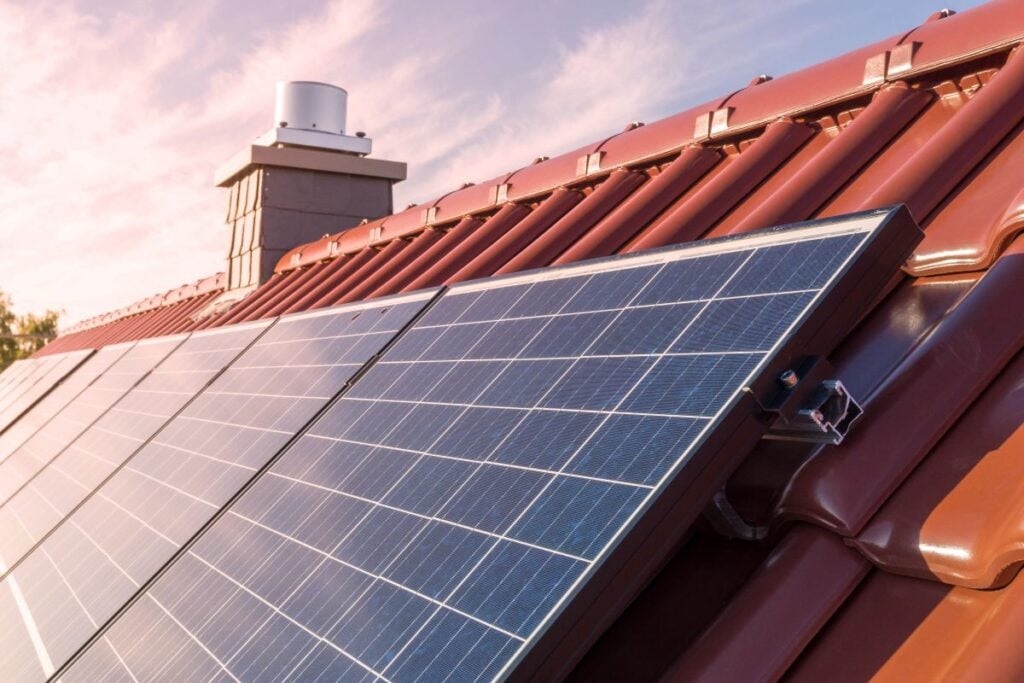
Canadian Solar’s HiHero panel delivers 22.5% efficiency at $0.70 to $0.90 per watt, making it one of the strongest value options in the premium tier. The panel uses N-type TOPCon cell technology, the same platform behind most current premium offerings, and carries a 25-year product and performance warranty. Canadian Solar is one of the largest solar manufacturers in the world, with strong financial stability and global installer support. Temperature coefficient at -0.29%/°C is solid for the price. For homeowners in Grand Island and surrounding areas working within a tighter budget, Canadian Solar HiHero delivers genuine premium specs at near-mid-range pricing.
- Efficiency: 22.5% (HiHero), competitive with Qcells at lower price.
- Warranty: 25 years product and performance, Tier 1 backing.
- Pricing: $0.70 to $0.90 per watt, strong value tier.
- Best for: Budget-conscious homeowners who don’t want to compromise on specs.
6. Panasonic EverVolt – Best for Low-Light Performance
Panasonic’s EverVolt panel hits 21.6% efficiency using heterojunction (HJT) cell technology, with strong performance in cloudy and low-light conditions. The HJT cell platform handles diffused light better than standard TOPCon panels, which matters in cloudy winter months when direct sun is limited. Panasonic backs the panel with a 25-year product and performance warranty guaranteeing 90.76% output at year 25. The brand carries strong consumer recognition and a reputation for build quality across decades of electronics manufacturing. EverVolt fits homeowners in cloudier regions or with partial roof shading where every diffused photon matters.
- Efficiency: 21.6% (EverVolt), strong mid-premium tier.
- Warranty: 25 years product and performance, with 90.76% output at year 25.
- Cell technology: HJT, excellent low-light and cloudy-day performance.
- Best for: Cloudy climates, partial shading, brand-recognition buyers.
7. Jinko Solar Tiger Neo – Best Budget-Tier Choice
Jinko Solar’s Tiger Neo panel delivers 20.8% efficiency at the lowest pricing in the major-brand market, typically $0.55 to $0.75 per watt. Jinko is one of the largest solar manufacturers in the world by volume, which means broad installer availability and strong financial stability. The panel uses N-type TOPCon technology with a 25-year warranty structure that meets industry standards. Degradation at 0.4% per year is higher than premium brands but still acceptable for most installations. Jinko is the right choice for homeowners with ample roof space who prioritize upfront price over maximum lifetime output.
- Efficiency: 20.8% (Tiger Neo), solid for budget-tier pricing.
- Warranty: 25 years product and performance, industry-standard coverage.
- Pricing: $0.55 to $0.75 per watt, the best major-brand value.
- Best for: Large roofs, tight budgets, ample sun exposure.
How Much Does a Solar System Actually Cost in 2026?
Total installed solar costs in 2026 run $2.50 to $3.50 per watt, putting a typical 8 kilowatt residential system at $20,000 to $28,000 before any state incentives. The federal 30% Residential Clean Energy Credit ended on December 31, 2025, which changed the financial picture significantly for new buyers.
What Changed with the Federal Tax Credit?
The Section 25D Residential Clean Energy Credit ended on December 31, 2025, under the One Big Beautiful Bill Act, removing the 30% federal tax credit that had driven residential solar adoption for two decades. Systems installed in 2026 do not qualify for the federal credit, which adds roughly $7,000 to the net cost of a typical 8 kilowatt installation. State incentives, net metering policies, and utility rebates remain available in many markets, including some Nebraska programs. The math still works for most homeowners thanks to rising electricity rates, but payback periods stretched from roughly 8 years to 12 to 13 years on average. Homeowners considering solar in 2026 should pay closer attention to state and local incentive programs to maximize savings.
- Federal credit status: Ended December 31, 2025; no longer available for new installs.
- Net cost impact: Roughly $7,000 added to a typical 8 kilowatt system.
- Payback period: Now 12 to 13 years on average versus 8 years previously.
- Remaining incentives: State, local, and utility rebates still available in many markets.
Frequently Asked Questions
How long do solar panels last?
Solar panels typically last 25 to 40 years depending on the brand and manufacturing quality. Premium panels from Maxeon, REC, and Silfab carry 25- to 40-year performance warranties guaranteeing 87% to 92% of original output at the end of the warranty period. Most panels continue producing usable electricity for 5 to 10 years past the warranty period, just at lower output.
How many solar panels does an average home need?
An average U.S. home consuming 10,500 kWh per year typically needs 16 to 22 solar panels, depending on panel wattage and roof orientation. Higher-efficiency panels like Maxeon 7 require fewer panels for the same output, which matters on small or shaded roofs. Most installers size systems based on 12 months of utility bill data rather than rules of thumb.
Is solar still worth it in 2026 without the federal tax credit?
Solar is still worth it in 2026 for most homeowners, though payback periods have stretched to 12 to 13 years on average without the 30% federal tax credit. Rising electricity rates, state and local incentives, and the long lifespan of modern panels still produce strong lifetime savings. A typical 8 kilowatt system generates $11,000 to $42,000 in net savings over 25 years even without the federal credit.
What is the most efficient solar panel for home use?
The Maxeon 7 is the most efficient residential solar panel available in 2026 at 24.1% efficiency, followed by AIKO Comet at 23.6% and LONGi Hi-MO X10 at 24.3%. For most homeowners, mid-range panels at 21% to 22% efficiency deliver better return on investment than peak-efficiency panels because the marginal cost is rarely justified except on small roofs.
Do solar panels work in cold weather?
Yes, solar panels actually perform better in cold weather because cell efficiency improves as temperatures drop. Snow cover does temporarily block production, but most rooftop installations shed snow within a day or two due to angle and the warmth of the panels themselves. Nebraska winters with clear, cold days often produce strong solar output.
How long does solar installation take?
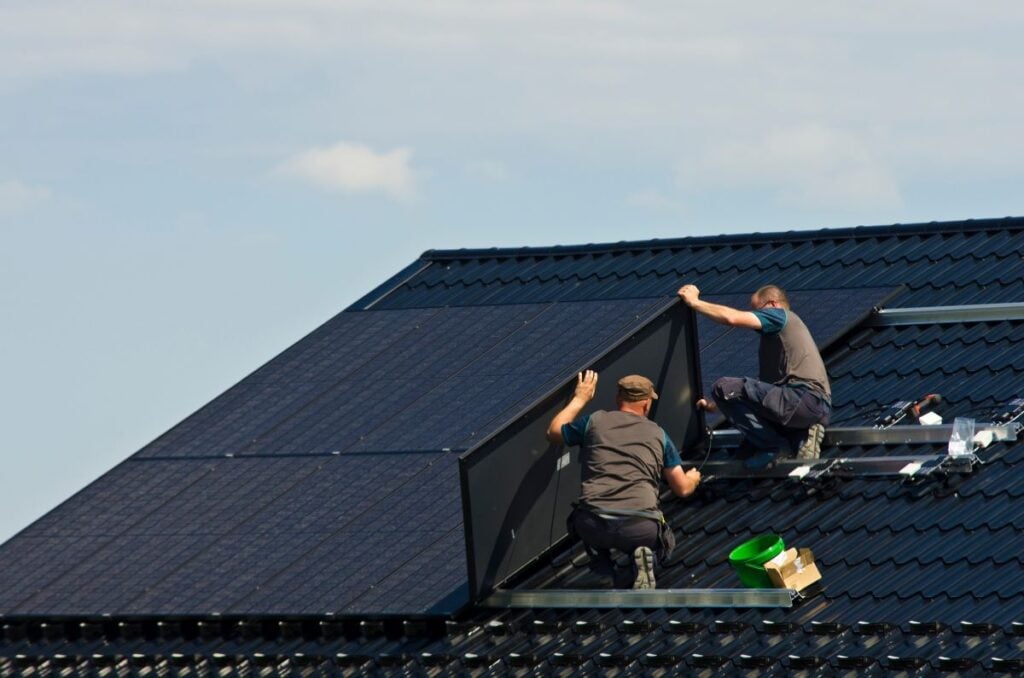
A typical residential solar installation takes 1 to 3 days of on-site work, but the full timeline from contract signing to system activation runs 2 to 4 months. The longest delays come from utility interconnection approvals and local permitting, which are outside the installer’s control. Most homeowners are producing power within 90 days of signing.
Why Choose J-Tech Construction & Solar for Your Solar Installation?
J-Tech Construction & Solar is the trusted name for residential solar installation in Grand Island and surrounding areas because of more than 20 years of construction and solar experience, a family-owned and locally operated team, and deep familiarity with the panel brands and inverter systems homeowners are weighing this year. Every solar consultation includes a free in-home assessment, transparent written quotes that break down panel choice and total system cost, quick turnaround times, financing options that fit your budget, and warranties backed by both the manufacturer and J-Tech’s own workmanship guarantee.
Whether you’re drawn to the maximum efficiency of Maxeon, the hot-climate performance of REC, or the strong-value reliability of Qcells, the J-Tech team helps you select the right panels for your roof, your goals, and your long-term plans. Contact J-Tech Construction & Solar today to schedule your free solar estimate and find out which panels are genuinely the best fit for your home in 2026.