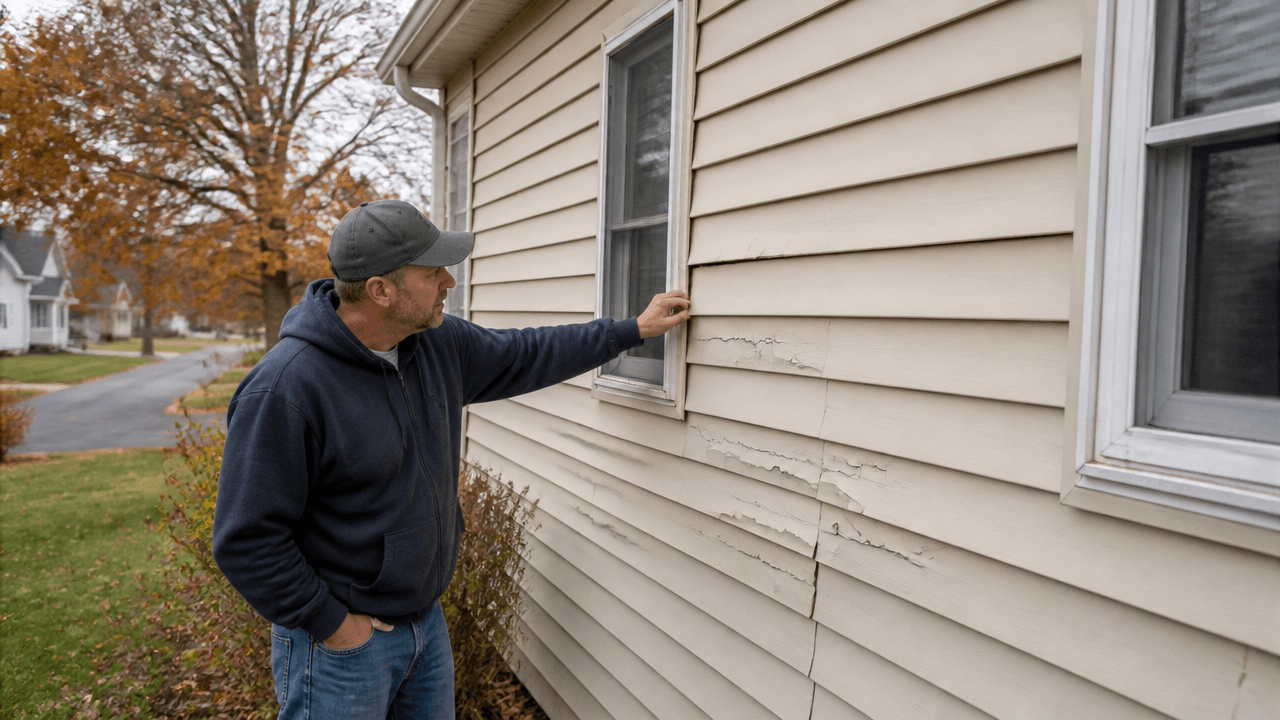
• Spot the warning signs early: Cracks, warped boards, soft spots, and peeling paint can all point to siding trouble before the damage spreads.
• Act before fall weather makes it worse: In Ashland, cooler air and moisture can push small siding issues into bigger repair needs fast.
• Follow a simple check process: Inspect the outside, look near windows and doors, and get a professional review if the damage keeps coming back.
Why Siding Problems Need Fast Attention
When siding starts to fail, the damage can move faster than many homeowners expect. Small gaps, cracks, and loose panels can let in moisture, cold air, and pests, which can lead to bigger repair costs later. That is why signs your siding needs replacement should never be ignored, especially when the weather turns rough in Ashland.
A siding issue does not always look severe at first glance. In many cases, the first clues show up as fading, warping, soft spots, or pieces that no longer sit flat against the wall. If we catch those changes early, we can protect the structure of the home and keep outside air from working its way inside.
Fall is a smart time to check the outside of the home before colder weather sets in. Moisture from rain, wind, and falling temperatures can make weak siding worse in a short time. If you are unsure what you are seeing, our team at siding services can help you understand what the home is telling you.
How Siding Damage Shows Up Over Time
Siding usually gives warning signs before it fails completely. Cracks, swelling, loose boards, and repeated paint problems can all point to hidden wear underneath the surface. When these problems keep showing up in the same areas, it is often a sign that repairs alone may not be enough.
Water damage is one of the biggest reasons siding has to be replaced. If water gets behind the panels, it can affect the wall sheathing and make the issue spread farther than expected. That is why a careful look at the outside walls matters so much when checking for signs your siding needs replacement.
Homes in Ashland face seasonal weather changes that can put extra stress on exterior materials. Cool nights, damp air, and windy fall days can make weak siding show damage more clearly. We recommend paying close attention to places around windows, doors, and seams, since those areas often reveal the earliest trouble.
Step-by-Step Guide
🔍 Step 1: Inspect the siding from the ground
Walk around the home and look for cracks, gaps, curling edges, or boards that sit unevenly. A ground-level inspection helps you spot visible damage safely before moving closer to problem areas.
🖐️ Step 2: Check for soft or loose sections
Gently press on siding that looks worn or bent to see if it feels soft, loose, or fragile. Soft spots can point to moisture damage underneath, which often means the material is failing.
💧 Step 3: Look for water stains or mold marks
Check for dark streaks, discoloration, or mildew near seams and lower wall sections. These marks often show where water has been trapped or has been getting behind the siding.
🌬️ Step 4: Notice drafts and cold spots inside
Move inside and feel for drafty areas near exterior walls. If outside air is getting through, the siding may no longer be doing its job the way it should.
🪟 Step 5: Examine areas around windows and doors
Look closely at the trim and siding near openings where moisture can collect. These spots often wear out first because they handle more water and temperature changes.
🎨 Step 6: Watch for peeling paint or repeated finish failure
If paint keeps peeling or bubbling on the same wall, the siding may be holding moisture. This often means the surface is no longer sealing the home properly.
🧰 Step 7: Compare damage across the full exterior
Check whether the issue is in one small area or spread across several sides of the home. Widespread damage usually means replacement is more practical than patching one section at a time.
📞 Step 8: Schedule a professional evaluation
If the damage looks active or keeps coming back, have an expert review the siding before the season changes. A trained eye can tell whether repair work is enough or if replacement is the safer choice.
Common Mistakes to Avoid
A siding problem can look simple from a distance, but small mistakes often lead to bigger issues. Many homeowners try to handle the job based only on what they can see, which can leave hidden damage untreated. Paying attention to the right details can help avoid wasted time, extra cost, and more wall damage later.
- ⚠️ Mistake 1: Only checking the obvious spots
This happens when someone inspects just the most visible wall and assumes the rest is fine. Damage often starts near seams, corners, and lower sections, so missing those areas can hide the real problem. To prevent this, inspect the full exterior and give extra attention to weak-looking spots. - ⚠️ Mistake 2: Ignoring soft or swollen areas
This usually happens because the siding still looks mostly intact from a distance. Softness often means moisture has already gotten into the material, and that can spread damage behind the wall. To prevent this, check for any section that feels different from the rest and take it seriously. - ⚠️ Mistake 3: Confusing surface wear with normal aging
Fading and minor wear can seem harmless, so people often brush them off. The problem is that repeated fading, peeling, or warping can point to a deeper failure in the siding system. To prevent this, watch for patterns that keep returning instead of treating each issue as isolated. - ⚠️ Mistake 4: Forgetting to inspect around openings
This mistake happens when homeowners focus on the wide wall panels and skip windows and doors. Moisture often gathers near these areas first, which makes them key places to check. To prevent this, slow down at every opening and look closely at the trim, edges, and seams. - ⚠️ Mistake 5: Waiting too long to get help
Some people wait because the damage seems small or they hope it will not get worse. In fall weather, small siding issues can change quickly as wind and moisture keep working on the home. To prevent this, act early when the warning signs start showing up.
Frequently Asked Questions
What are the most common signs your siding needs replacement?
Yes, the most common signs your siding needs replacement include cracking, warping, loose panels, soft spots, and repeated peeling paint. You may also notice moisture stains or drafts near exterior walls. These warning signs often mean the siding is no longer protecting the home the way it should.
Can damaged siding cause bigger problems inside the home?
Yes, damaged siding can lead to bigger problems inside the home. When water or air gets behind the exterior, it can affect insulation, wall materials, and indoor comfort. That is why siding damage should be checked early instead of being ignored.
How do I know if siding repair is enough or if replacement is needed?
Yes, the difference often depends on how widespread the damage is. If only one small area is affected, repair may work, but repeated or spread-out damage usually points to replacement. A full inspection helps show whether the siding is still doing its job.
Why is fall a good time to inspect siding in Ashland?
Yes, fall is a smart time to inspect siding in Ashland because the weather can expose weak spots before winter arrives. Cooler air, rain, and wind often make existing problems easier to spot. Checking early gives you time to address damage before harsher conditions set in.
What should I do if I notice signs your siding needs replacement?
Yes, the best next step is to have the siding checked as soon as possible. Small issues can grow quickly once moisture gets in, especially during changing weather. A prompt evaluation can help you decide whether repair or replacement is the right fix.
Final Thoughts on Siding Warning Signs
Catching siding problems early can help protect your home, lower stress, and keep repairs from growing into larger issues. The best way to stay ahead of damage is to inspect the exterior, look for clear warning signs, and act before the weather makes things worse. That is especially important in Ashland during the fall season, when moisture and cooler temperatures can expose weak spots fast.
If your home is showing the signs we covered here, it is time to take the next step with confidence. We are here to help homeowners make smart choices about their exterior and keep their homes protected through every season. To stay connected with our latest work, follow us on social media.